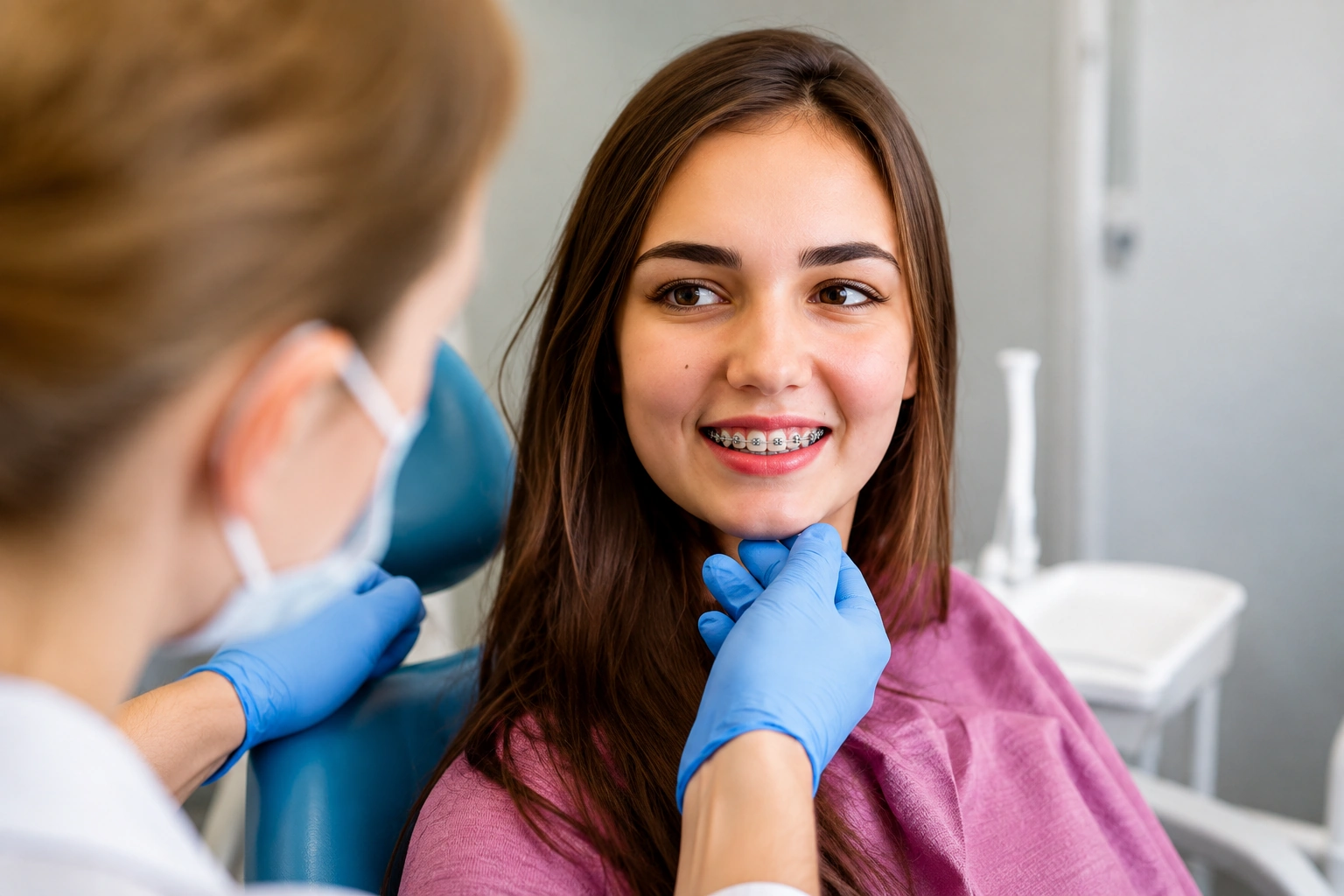


Dental Veneers in Mohali: A Personalized Approach to a Beautiful Smile
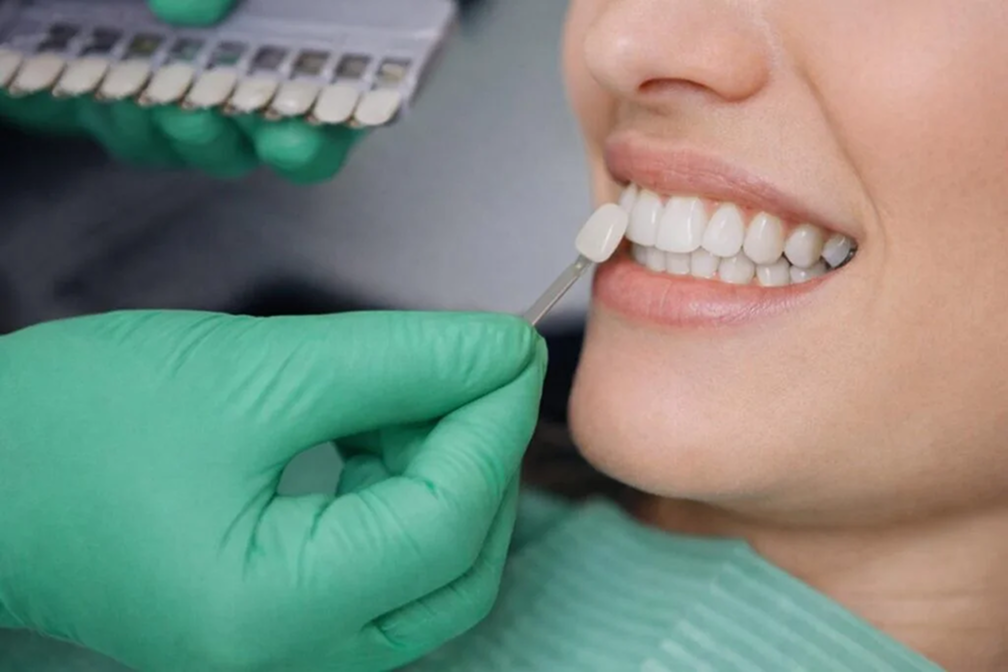
A confident smile is not simply about having perfectly straight teeth. Tooth shape, size, colour, proportion and overall smile balance can all influence the way your smile looks. For people who want to improve the appearance of their teeth, dental veneers in Mohali and Chandigarh can be one of the cosmetic dentistry options worth discussing with a qualified dental professional. At True Smilez, cosmetic dental treatment is approached with an emphasis on individual smile characteristics rather than applying the same design to every patient. Depending on your dental condition and goals, veneers may be considered as part of a personalized smile makeover in Mohali. What Are Dental Veneers? Dental veneers are thin, custom-made coverings designed to improve the appearance of the visible surfaces of teeth. Depending on the patient’s needs, veneers may be used to address certain cosmetic concerns such as: The purpose of veneers is primarily aesthetic. Whether veneers are appropriate depends on the health and condition of your teeth and gums. Why Consider Veneers in Mohali? Many adults and professionals looking for veneers in Mohali are not necessarily looking for a dramatic change. Instead, they may want a smile that appears more balanced, polished and natural. A well-planned veneer treatment considers factors such as: Tooth Proportion The size and shape of each tooth should complement the surrounding teeth. Smile Line The visible relationship between your teeth and lips when you smile is considered during aesthetic planning. Tooth Colour The selected shade should complement your overall appearance rather than looking unnecessarily artificial. Facial Features A smile design can be planned with consideration for the patient’s overall facial proportions. Existing Teeth Your current tooth structure and dental health need to be assessed before cosmetic treatment. This is why a personalized smile design is important. Dental Veneers vs Teeth Whitening Veneers and professional teeth whitening are not the same treatment. Teeth whitening primarily addresses the colour of natural teeth. Dental veneers can potentially change several visible characteristics, including tooth shape, proportion and colour. If your primary concern is only tooth discolouration, whitening may be considered. If you have multiple cosmetic concerns involving tooth shape and appearance, your dentist may discuss veneers or other smile makeover options. The appropriate treatment depends on your individual needs. Veneers and Smile Makeover in Mohali A smile makeover is not a single dental procedure. It is a customized combination of cosmetic dental treatments planned around an individual’s smile. Depending on the case, a smile makeover may involve treatments such as: Not every patient needs every treatment. At True Smilez, the objective is to determine which procedures, if any, are appropriate for your smile rather than unnecessarily combining treatments. Are Dental Veneers Suitable for Everyone? Veneers are not suitable for every patient. \Before considering veneers, your dentist may evaluate: If underlying dental problems are present, they may need to be addressed before cosmetic treatment. A consultation is therefore an important first step before deciding whether veneers are appropriate. What Is the Process for Getting Veneers? 1. Smile Consultation Your concerns, expectations and desired aesthetic outcome are discussed. 2. Dental Assessment Your teeth, gums and bite are evaluated to determine whether veneers are appropriate. 3. Smile Design & Planning The proposed shape, proportions and overall appearance of the smile are planned according to your individual features. 4. Preparation If veneers are recommended, the teeth may require preparation depending on the selected treatment approach. 5. Veneer Placement Custom-made veneers are placed according to the finalized treatment plan. 6. Follow-Up Your dentist evaluates the fit, appearance and overall condition of the completed treatment. How Much Do Dental Veneers Cost in Mohali? One of the common searches is “dental veneers cost in Mohali.” However, there isn’t one fixed price for every patient. The overall treatment investment can depend on: For a premium cosmetic treatment, it is important to consider the quality of planning, materials, clinical expertise and long-term care, rather than choosing a treatment only according to price. A personalized consultation is the best way to understand your treatment requirements and expected investment. Dental Veneers in Chandigarh for a Natural-Looking Smile Patients searching for dental veneers in Chandigarh often want a cosmetic solution that enhances their smile without making it look artificial. A natural-looking result depends on careful attention to: The objective of cosmetic dentistry should be to create a smile that looks harmonious with the individual rather than simply making every tooth look identical. Veneers in Mohali for Professionals For working professionals, entrepreneurs and individuals who regularly interact with clients or attend social events, confidence in their smile can be an important consideration. Veneers may be considered when cosmetic concerns such as uneven tooth shape, discoloration or minor imperfections affect smile confidence. Because cosmetic dentistry is highly individual, a consultation allows you to understand whether veneers are the right option or whether a more conservative treatment may achieve your desired result. Smile Makeover in Zirakpur & Tricity Patients from Zirakpur, VIP Road, Dhakoli, Baltana and surrounding Tricity areas can explore cosmetic dental options in the Mohali-Chandigarh region. Whether your concern is tooth colour, shape, minor imperfections or overall smile aesthetics, the right treatment should begin with a detailed assessment. The goal is not simply to change your teeth—it is to create a treatment plan that fits your smile, dental health and aesthetic expectations. Why Choose True Smilez for Veneers? At True Smilez Dental Clinic, cosmetic dentistry focuses on personalized smile planning and comprehensive dental assessment. Patients from Mohali, Chandigarh and Zirakpur can discuss their concerns and explore options such as: Every smile has different proportions and requirements, which is why treatment planning should be customized rather than based on a standard design. Frequently Asked Questions Are veneers permanent? Veneers are considered a long-term cosmetic dental treatment, but they may eventually require replacement. Their longevity depends on factors including material, oral hygiene, bite and individual habits. Do veneers look natural? When appropriately planned and designed, veneers can be made to complement the patient’s tooth proportions, smile and facial features. Are veneers better than teeth whitening? Neither treatment is universally better. Whitening primarily changes tooth colour, while veneers can address several cosmetic characteristics. The appropriate
Invisalign vs Clear Aligners vs Braces: Which Teeth Straightening Option Is Right for You?
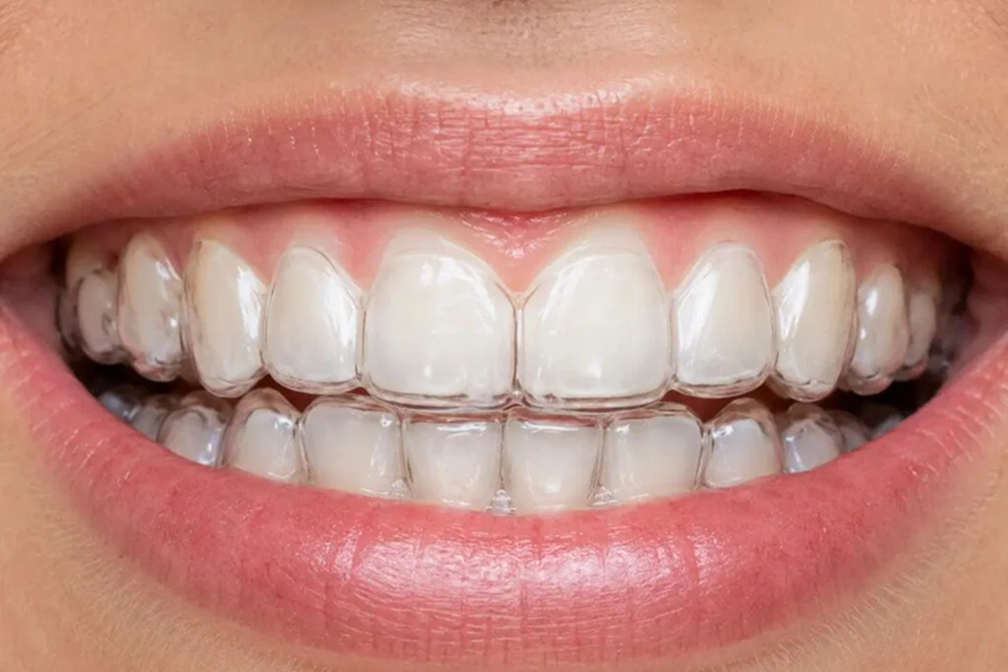
A straighter smile can improve not only the appearance of your teeth but also your confidence and overall oral health. Today, patients have more choices than ever when it comes to teeth alignment and teeth straightening. The three most commonly discussed options are Invisalign, clear aligners and traditional braces. But which option is right for you? The answer depends on your dental condition, treatment goals, lifestyle, budget and the recommendation of your orthodontic or dental professional. Here is a simple comparison to help you understand the differences. What Are Traditional Braces? Traditional braces use metal brackets and wires to gradually move teeth into their desired positions. They have been used for decades and can effectively treat a wide range of orthodontic concerns, including crowded teeth, spacing, bite problems and complex tooth movements. The biggest advantage of braces is their ability to manage many complicated alignment cases. However, metal brackets and wires are visible, and some patients may find them less comfortable or less convenient for daily activities. Braces also require additional attention to oral hygiene because food can become trapped around the brackets and wires. What Are Clear Aligners? Clear aligners are removable, transparent trays designed to gradually move teeth into better alignment. Instead of brackets and wires, patients wear a series of customized aligners, with each set making small, controlled movements. Clear aligners are popular among adults and professionals because they are discreet and can be removed while eating, drinking and brushing. They can be a suitable option for many common orthodontic concerns, such as mild to moderate crowding, gaps and certain bite-related issues. However, not every dental case can be treated with aligners, which is why a professional assessment is important. What Is Invisalign? Invisalign is a well-known clear-aligner system that uses a series of virtually invisible, removable aligners to gradually straighten teeth. One of the major advantages of Invisalign is its discreet appearance. This makes it particularly appealing to people who want to improve their smile without the noticeable appearance of traditional braces. Invisalign treatment is planned according to the patient’s individual dental needs. Depending on the case, treatment may help address concerns such as crowded teeth, gaps and certain bite problems. It is important to understand that Invisalign is a type of clear-aligner treatment, while the term “clear aligners” can refer to different brands and systems. Invisalign vs Clear Aligners vs Braces Feature Invisalign Clear Aligners Traditional Braces Appearance Virtually invisible Clear and discreet More visible Removable Yes Yes No Eating Remove aligners Remove aligners Dietary restrictions may apply Cleaning Easy to remove for brushing Easy to remove for brushing Requires extra cleaning Comfort Generally smooth Generally smooth Brackets/wires may cause irritation Complex cases Depends on treatment plan Depends on system and case Can treat many complex cases Lifestyle Convenient and discreet Convenient and discreet Requires more adaptation Which Teeth Straightening Option Should You Choose? There is no single treatment that is best for everyone. If you prefer a discreet and removable solution, clear aligners or Invisalign may be worth considering. They can fit more easily into professional and social lifestyles because they are less noticeable than metal braces. If your case involves more complex orthodontic movements, traditional braces may be recommended because they provide controlled tooth movement for a broad range of conditions. The most important step is getting a proper dental and orthodontic evaluation before choosing a treatment. Invisalign and Clear Aligners in Mohali, Chandigarh & Zirakpur For patients considering teeth alignment in Mohali, Chandigarh or Zirakpur, modern orthodontic treatments offer several options depending on individual dental requirements. At True Smilez, treatment planning focuses on understanding your teeth, bite, smile goals and lifestyle before recommending an appropriate teeth-straightening solution. Whether you are considering Invisalign, clear aligners or braces, a personalized consultation can help determine which approach is suitable for your smile. Get Started With Your Smile Transformation Choosing between Invisalign, clear aligners and braces is not simply about appearance. The right treatment should be selected according to your dental condition, treatment objectives and long-term oral health. If you are considering Invisalign or teeth alignment treatment in Mohali, Chandigarh or Zirakpur, consult a dental professional to understand your options and create a treatment plan designed specifically for you. True Smilez — Personalized dental care for a healthier, straighter and more confident smile.
Teeth Alignment in Mohali, Chandigarh & Zirakpur: A Personalized Approach to a Confident Smile
A well-aligned smile is not simply about having straight teeth. It is about achieving the right balance between tooth alignment, facial aesthetics, bite function and long-term oral health. For individuals looking for a refined and discreet way to improve their smile, modern teeth alignment treatments in Mohali, Chandigarh and Zirakpur offer personalized solutions beyond conventional metal braces. At True Smilez, teeth alignment is approached as an individualized dental treatment rather than a one-size-fits-all procedure. The goal is to understand your existing smile, identify the underlying alignment concerns and recommend a treatment plan suited to your dental needs and aesthetic expectations. What Is Teeth Alignment? Teeth alignment refers to the process of correcting the position of teeth so they sit more appropriately within the dental arch and work harmoniously with the surrounding teeth and bite. Teeth may become misaligned because of: Even when the concern appears purely cosmetic, proper assessment is important because tooth position can also influence bite, cleaning and overall oral hygiene. Why Choose Personalized Teeth Alignment? Every smile is different. Two people may have apparently similar crooked teeth but require completely different treatment approaches. This is why premium dental care focuses on individual assessment and customized planning rather than simply choosing a treatment based on appearance or price. A personalized teeth alignment consultation can help determine: Clear Aligners for Discreet Teeth Alignment For adults and professionals who prefer not to wear visible braces, clear aligners can offer a discreet alternative for suitable cases. Clear aligners are designed to gradually move teeth according to an individualized treatment plan. They are removable and considerably less noticeable than conventional metal braces. They can be particularly attractive to people who want to maintain a professional appearance while undergoing orthodontic treatment. Clear aligners may be suitable for people with: Suitability depends on the individual case and should be determined after a professional dental assessment. Teeth Alignment in Mohali for Working Professionals Mohali has become an increasingly developed residential and professional destination, and many patients prefer dental treatments that fit comfortably into a busy lifestyle. For working professionals, the priorities are often different from simply finding the cheapest treatment. They may value: Discreet treatment.Personalized planning.Convenient appointments.Modern dental technology.Clear communication.Long-term smile stability. This is where modern teeth alignment and clear-aligner treatment can be particularly relevant. Teeth Alignment in Chandigarh for a More Refined Smile Patients considering teeth alignment in Chandigarh often look for treatment that combines dental function with facial aesthetics. A good alignment plan should not simply focus on making teeth appear straight. The dentist should consider the overall relationship between the teeth, bite and smile. For patients who are particularly conscious about aesthetics, clear aligner treatment may provide a more discreet orthodontic experience when clinically appropriate. Teeth Alignment in Zirakpur: Modern Options for Smile Correction If you live in Zirakpur, VIP Road, Baltana, Dhakoli or nearby areas, accessing modern dental care in the Tricity makes it possible to explore contemporary teeth-straightening options without compromising on personalized treatment. Instead of choosing a treatment solely because it is advertised as “fast” or “cheap,” patients should consider: How Does Modern Teeth Alignment Treatment Work? Your treatment begins with a detailed consultation rather than immediately choosing an appliance. 1. Smile & Dental Assessment Your dentist evaluates your teeth, gums, bite and overall oral condition. 2. Digital Records Depending on the treatment, photographs, digital scans and other diagnostic records may be used. 3. Customized Treatment Planning Your treatment is planned around your specific alignment and aesthetic requirements. 4. Treatment Depending on your case, treatment may involve clear aligners, Invisalign or conventional orthodontic braces. 5. Progress Monitoring Regular follow-ups allow your dental team to assess your progress and make appropriate adjustments. 6. Retention After teeth have been aligned, retainers may be recommended to help maintain the result.
Invisalign in Mohali & Chandigarh: Cost, Benefits, Treatment Process & Who Is It For?
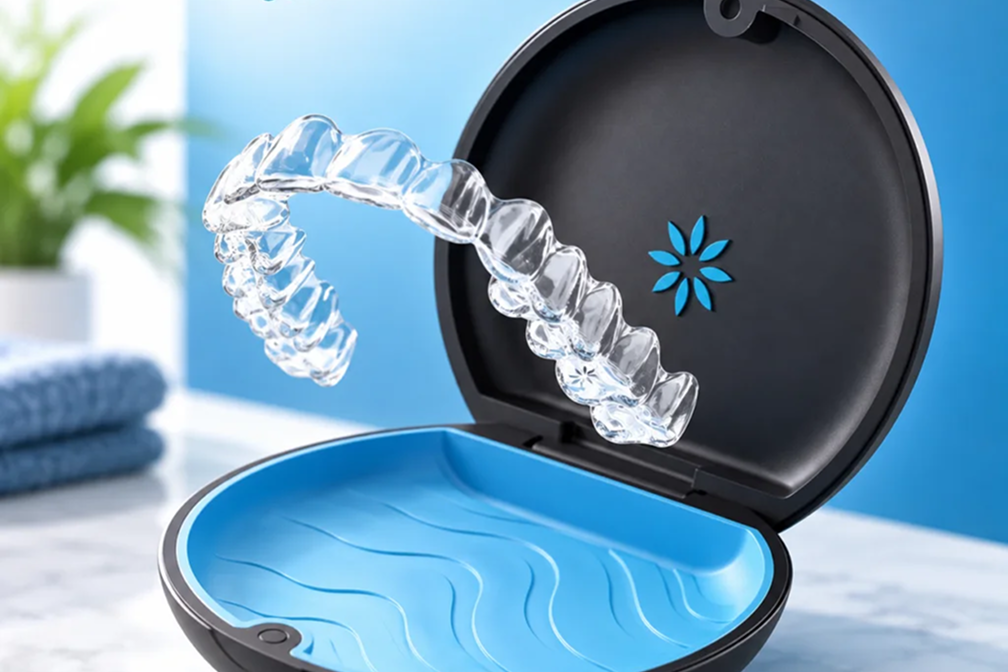
A straight and confident smile can make a big difference in the way you look, speak and feel. However, many people with crooked, crowded or spaced teeth hesitate to get orthodontic treatment because they do not want visible metal braces. Invisalign in Mohali and Chandigarh offers a discreet alternative for people who want to straighten their teeth using virtually invisible, removable aligners. At True Smilez, patients from Mohali, Chandigarh and nearby Tricity areas can explore modern orthodontic solutions, including Invisalign, clear aligners and traditional braces, depending on their individual dental needs. What Is Invisalign? Invisalign is a system of clear, removable aligners designed to gradually move teeth into their planned positions. Unlike traditional braces, Invisalign aligners do not use conventional metal brackets and wires. The aligners are custom-made for the patient’s teeth and treatment plan. Because every smile is different, Invisalign treatment is planned according to factors such as: The official Invisalign website notes that treatment cost varies according to case complexity, treatment duration and the provider chosen. Why Are People Choosing Invisalign in Mohali and Chandigarh? Clear aligner treatment has become an increasingly popular option for adults and teenagers who want a more discreet way to straighten their teeth. 1. Nearly Invisible Appearance One of the biggest advantages of Invisalign is its transparent appearance. The aligners are designed to be much less noticeable than traditional metal braces. This can be particularly appealing to: 2. Removable Aligners Unlike fixed braces, Invisalign aligners can be removed when eating, drinking or following your normal oral hygiene routine. This makes it easier to maintain your everyday dental-care routine during treatment. 3. Comfortable Design Invisalign aligners are made from specially designed clear material and are customized for the patient’s teeth. There are no conventional metal brackets and wires rubbing against the cheeks and lips. However, some patients may experience temporary pressure or mild discomfort when moving to a new set of aligners. This is a normal part of orthodontic tooth movement. 4. Digital Treatment Planning Modern clear-aligner treatment uses digital planning to map the planned movement of your teeth. Depending on the case, your dentist or orthodontist may use digital scans and treatment-planning software to assess your teeth and create a customized treatment plan. Invisalign vs Traditional Braces Many patients in Mohali and Chandigarh ask whether Invisalign is better than braces. The answer depends on your individual case. Feature Invisalign Traditional Braces Appearance Clear/less noticeable Visible brackets and wires Removable Yes No Eating Aligners removed while eating Food restrictions may apply Cleaning Easy to remove for brushing Requires careful cleaning around brackets Treatment planning Digital planning available Conventional + digital planning Suitability Many mild to complex cases Wide range of cases Best option Depends on clinical assessment Depends on clinical assessment Neither option is automatically better for everyone. The right treatment depends on the patient’s teeth, bite, oral health and treatment goals. How Much Does Invisalign Cost in Mohali or Chandigarh? Invisalign cost in Mohali and Chandigarh is not the same for every patient. The final cost can depend on: For reference, Invisalign’s India website currently lists indicative treatment prices starting around ₹1.5 lakh for mild cases, ₹2.5 lakh for moderate cases and ₹3.5 lakh for severe cases, while emphasizing that final pricing depends on the individual case and provider. Therefore, searching only for “Invisalign cost in Mohali” may not give you an accurate price for your own treatment. A proper dental consultation is the better way to understand the expected treatment duration and cost. Who Can Consider Invisalign? Invisalign may be considered for people experiencing different types of orthodontic concerns, including: Invisalign can be suitable for many adults and teenagers, but not every orthodontic case should automatically be treated with clear aligners. A dental professional needs to examine your teeth and bite before recommending the appropriate treatment.
What Happens During a Dental Cleaning?
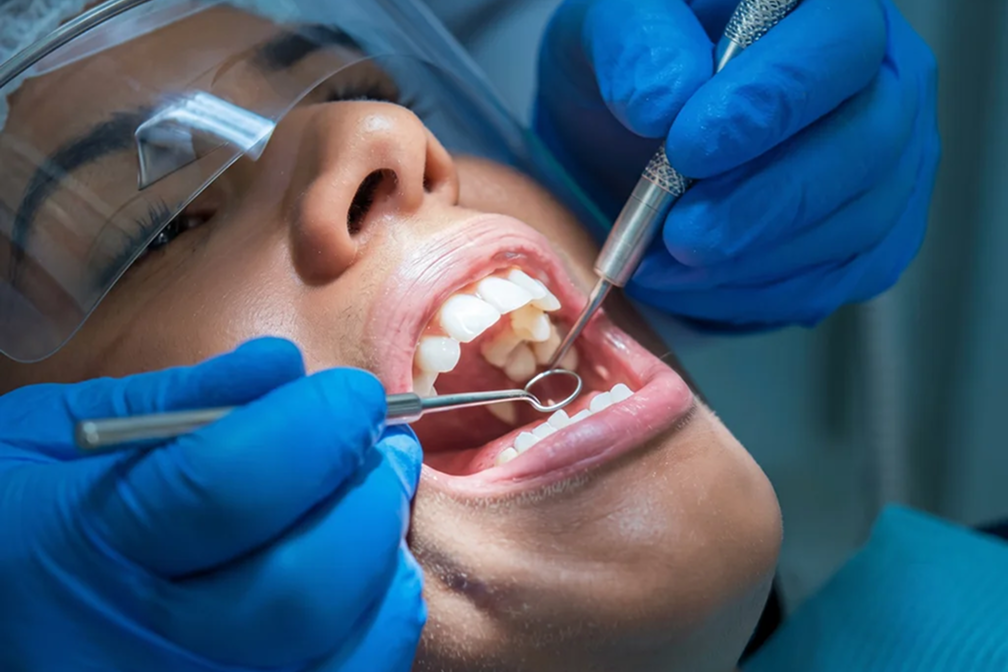
For many people, a dental cleaning appointment brings a mix of mild anxiety and uncertainty — the sounds, the tools, and not quite knowing what’s happening at each stage can make the experience feel more intimidating than it needs to be. In reality, a professional dental cleaning is a straightforward, painless process designed to keep your teeth and gums healthy in ways that daily brushing and flossing simply can’t achieve on their own. In this article, we’ll walk through exactly what happens during a dental cleaning, step by step, so you know what to expect at your next appointment. Why Professional Dental Cleanings Are Necessary Even with excellent brushing and flossing habits, plaque can harden into a substance called tartar (or calculus) within days. Once plaque hardens into tartar, it can no longer be removed with a toothbrush — it requires professional tools. Left untreated, tartar build-up contributes to gum disease, cavities, and bad breath. This is exactly why dentists recommend a professional cleaning every six months, regardless of how well you maintain your oral hygiene at home. Step-by-Step: What Happens During a Dental Cleaning Step 1: Physical Examination Before any cleaning begins, a dental hygienist or dentist typically performs a quick physical examination of your mouth. Using a small mirror, they check for visible signs of gum inflammation, cavities, or other concerns. This step helps identify anything that might need closer attention during the appointment, or a follow-up with the dentist. Step 2: Removing Plaque and Tartar (Scaling) This is the core part of the cleaning process. Using a small metal instrument called a scaler, the hygienist carefully removes plaque and tartar from the surface of each tooth, as well as along and slightly beneath the gumline, where build-up commonly accumulates. You may hear scraping sounds during this step — this is completely normal and is simply the sound of tartar being removed from the tooth surface. Many modern dental practices also use an ultrasonic scaler, which uses gentle vibrations and a fine water spray to break up larger deposits of tartar more efficiently, often making this part of the process quicker and more comfortable. Step 3: Gritty Toothpaste Cleaning Once plaque and tartar have been removed, the hygienist uses a high-powered electric brush along with a special gritty, textured toothpaste to give your teeth a deep clean. This step polishes the tooth surface and removes any remaining plaque that scaling may have missed, including surface stains from food and drink. While it sounds (and feels) more intense than your regular toothbrush, this step is completely safe and is only used occasionally during professional cleanings, rather than daily. Step 4: Expert Flossing Even if you floss regularly at home, a professional flossing session goes a step further. The hygienist can identify any problem areas between your teeth where plaque may be trapped, and ensures a deep, thorough clean between each tooth, including areas you might typically miss. Step 5: Rinsing After scaling and flossing, you’ll be asked to rinse your mouth to clear away any remaining debris or toothpaste residue. This is usually done with a liquid fluoride rinse to help remove any leftover particles before the final steps of the cleaning. Step 6: Fluoride Treatment Many dental cleanings conclude with a fluoride treatment, which helps strengthen enamel and protect teeth against cavities for several months afterwards. This is typically applied as a gel, foam, or varnish, and may come in flavoured options. The dentist or hygienist will usually ask you to avoid eating or drinking for around 30 minutes afterwards, to allow the fluoride to be fully absorbed. Step 7: X-Rays (If Needed) Depending on how long it’s been since your last set of X-rays, and your individual dental history, you may also have X-rays taken — usually once a year, though this can vary. X-rays allow the dentist to check for issues that aren’t visible during a standard examination, such as decay between teeth, problems below the gumline, or issues with the jawbone. Step 8: Final Examination by the Dentist After the cleaning is complete, the dentist typically carries out a final examination, reviewing the hygienist’s notes and checking your teeth and gums more closely. This is the point where cavities, signs of gum disease, or other concerns are formally diagnosed, and any necessary next steps or treatment are discussed with you. How Long Does a Dental Cleaning Take? A routine dental cleaning typically takes between 30 and 60 minutes, depending on factors such as how much tartar has built up, whether X-rays are included, and whether any additional gum treatment is needed. If it’s your first cleaning in a long while, or if there’s significant tartar build-up, the appointment may take a little longer. Does a Dental Cleaning Hurt? For most people, a dental cleaning is not painful, though some may experience mild discomfort or sensitivity, particularly around the gumline or if they have sensitive teeth. If you have significant tartar build-up, gum inflammation, or haven’t had a cleaning in a long time, some tenderness during scaling is fairly common but shouldn’t be sharply painful. If you do experience discomfort, it’s always worth letting your hygienist know — they can adjust their approach or offer numbing gel if needed. What If You Have Gum Disease? If you have early-stage gum disease (gingivitis), a standard cleaning is usually sufficient to help reverse it, alongside improved home care. However, if gum disease has progressed further (periodontitis), you may require a more intensive treatment called scaling and root planing, which cleans deeper below the gumline and smooths the tooth root to help gums reattach. This is often done in one or more separate appointments, sometimes with local anaesthetic for comfort. How to Prepare for a Dental Cleaning Why Regular Dental Cleanings Matter Beyond simply keeping your teeth looking clean, regular professional cleanings play a key role in: When Should You Book a Dental Cleaning? Most dentists recommend a professional cleaning every six months, though this can vary depending on individual risk factors, such as a
9 Tips for People With Sensitive Teeth

If you’ve ever winced after a sip of cold water, a spoonful of ice cream, or a hot cup of tea, you know exactly how disruptive sensitive teeth can be. Tooth sensitivity is one of the most common dental complaints, and while it can feel frustrating, the good news is that it’s usually very manageable with the right habits and products. In this article, we’ll explain what causes sensitive teeth and share nine practical tips to help you find relief and get back to enjoying your favourite foods and drinks without discomfort. What Causes Tooth Sensitivity? Tooth sensitivity typically occurs when the protective enamel on your teeth wears down, or when gums recede and expose the root surface underneath. Both enamel and the cementum covering the roots protect the dentine, a layer filled with tiny tubules that lead directly to the tooth’s nerve. When dentine is exposed, hot, cold, sweet, or acidic triggers can reach the nerve more easily, causing that sharp, sudden discomfort many people describe as sensitivity. Common causes include: 9 Tips for People With Sensitive Teeth 1. Switch to a Toothpaste Designed for Sensitive Teeth Sensitivity toothpastes contain active ingredients, such as potassium nitrate or stannous fluoride, which work to block pain signals from reaching the nerve or help seal exposed dentine tubules. Using one consistently, rather than occasionally, tends to produce the best results — most people notice improvement within two to four weeks. 2. Use a Soft-Bristled Toothbrush A soft-bristled toothbrush cleans just as effectively as a medium or hard one, without further wearing down enamel or irritating already-sensitive gums. If you’re currently using a medium or hard brush, switching to soft is one of the simplest changes you can make. 3. Brush Gently, Not Aggressively Brushing too hard is one of the leading causes of enamel wear and gum recession, both of which contribute directly to sensitivity. Use gentle, circular motions rather than vigorous back-and-forth scrubbing, and let the bristles do the work rather than applying heavy pressure. 4. Avoid Brushing Immediately After Acidic Foods or Drinks After consuming acidic foods or drinks — such as citrus fruits, fizzy drinks, or wine — enamel is temporarily softened. Brushing straight away can actually cause more wear. It’s best to wait around 30 minutes before brushing, giving your saliva time to naturally neutralise the acid first. 5. Limit Acidic and Sugary Foods Frequent consumption of acidic foods and drinks gradually erodes enamel, increasing sensitivity over time. Where possible, limit these items, and consider rinsing your mouth with water afterwards to help reduce their impact on your teeth. 6. Wear a Nightguard If You Grind Your Teeth If teeth grinding or clenching is contributing to your sensitivity, a custom-fitted nightguard from your dentist can protect your teeth from further wear while you sleep, when grinding often happens without you realising it. 7. Be Cautious with Whitening Products Teeth whitening treatments, particularly certain over-the-counter kits, can increase sensitivity, sometimes significantly. If you already experience sensitive teeth, it’s worth speaking to a dentist before whitening, or opting for a professional treatment designed to minimise this side effect. 8. Use a Fluoride Mouthwash A fluoride mouthwash can help strengthen enamel and reduce sensitivity over time, particularly when used alongside a sensitivity toothpaste as part of your daily routine. 9. Don’t Ignore Gum Health Since gum recession is a major cause of exposed, sensitive roots, keeping your gums healthy through gentle brushing, regular flossing, and professional cleanings can help prevent sensitivity from developing further, or worsening over time. Foods and Drinks That May Trigger Sensitivity Being aware of common triggers can help you manage discomfort day to day: You don’t necessarily need to avoid these entirely, but being mindful of them — especially during flare-ups — can help reduce discomfort. When Sensitivity Might Mean Something More Serious While mild, generalised sensitivity is often manageable with the tips above, certain signs suggest it’s worth seeing a dentist rather than managing it alone: These signs can point to a cavity, a cracked tooth, or advancing gum disease, all of which need professional treatment rather than home management alone. When Should You See a Dentist? Book a dental appointment if: A dentist can identify the underlying cause and recommend targeted treatment, such as a fluoride varnish, a bonding agent to cover exposed roots, or addressing an underlying cavity or crack. Conclusion Sensitive teeth can be genuinely uncomfortable, but for most people, it’s a manageable condition rather than a permanent one. Simple changes — like switching to a sensitivity toothpaste, brushing gently with a soft brush, and being mindful of acidic foods — can make a noticeable difference within a few weeks. If sensitivity persists, is severe, or is limited to a single tooth, it’s worth having a dentist take a closer look to rule out an underlying cause that needs specific treatment. Frequently Asked Questions (FAQs) Q1. How long does it take for sensitivity toothpaste to work? Most people notice an improvement within two to four weeks of consistent use. It works best when used regularly, rather than only when sensitivity flares up. Q2. Can sensitive teeth be cured permanently? It depends on the cause. Sensitivity due to mild enamel wear or gum irritation can often be significantly reduced or resolved with the right habits and products. However, sensitivity caused by more advanced gum recession or enamel loss may require ongoing management or professional treatment. Q3. Why are my teeth suddenly more sensitive than usual? A sudden increase in sensitivity can be linked to recent teeth whitening, a new crack or chip, acid erosion, gum recession, or even a cavity. If it’s sudden and doesn’t improve, it’s worth having it checked. Q4. Is cold water sensitivity normal? Mild sensitivity to cold water is common and often manageable, but sensitivity that’s sharp, persistent, or limited to a specific tooth should be evaluated by a dentist, as it could indicate a more specific issue. Q5. Can teeth whitening cause permanent sensitivity? Whitening-related sensitivity is usually temporary and improves within a few
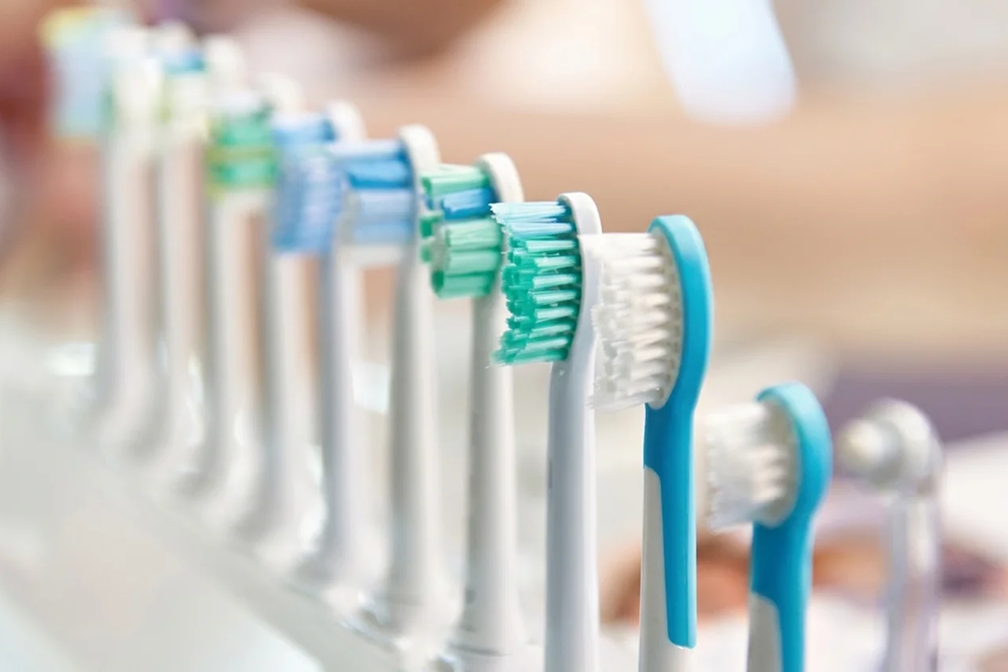
What to Look for When Buying a Toothbrush
Sudden Tooth Pain? Here’s What Might Be Causing It

Few things are as distracting as a tooth that suddenly starts hurting, seemingly out of nowhere. One moment you’re fine, and the next you’re wincing every time you eat, drink, or even breathe in cold air. Sudden tooth pain can range from a mild, fleeting twinge to intense, throbbing discomfort — and the cause behind it can vary just as widely. In this article, we’ll break down the most common reasons for sudden tooth pain, how to tell whether it’s an emergency, and what you can do for relief until you can see a dentist. Why Sudden Tooth Pain Happens Teeth contain nerves deep inside, protected by layers of enamel and dentine. When something disrupts or exposes these layers — whether through decay, damage, infection, or pressure — the nerve reacts, often producing sudden, sharp, or throbbing pain. Because the trigger isn’t always visible from the outside, sudden tooth pain can feel confusing and alarming, even when the underlying cause is fairly common. Common Causes of Sudden Tooth Pain 1. Tooth Decay Reaching the Nerve If a cavity has been developing quietly without symptoms, it can suddenly become painful once decay reaches the dentine or the nerve inside the tooth. What felt like nothing yesterday can become a sharp, noticeable pain almost overnight as decay crosses that threshold. 2. A Cracked or Fractured Tooth A crack in a tooth — sometimes too small to see with the naked eye — can cause sudden pain, particularly when biting down or when the tooth is exposed to hot or cold temperatures. Cracks can result from chewing on hard foods, grinding your teeth, or even a minor injury. 3. A Lost or Damaged Filling Old fillings can wear down, crack, or fall out entirely, exposing the sensitive inner layers of the tooth. This often causes sudden sensitivity or pain, especially when eating or drinking something hot, cold, or sweet. 4. Tooth Abscess An abscess is a pocket of infection that can develop at the root of a tooth or in the surrounding gum tissue. It often causes intense, throbbing pain that can come on quite suddenly, sometimes accompanied by swelling, fever, or a bad taste in the mouth. This is considered a dental emergency and needs prompt treatment. 5. Gum Recession Exposing the Tooth Root When gums recede — due to gum disease, aggressive brushing, or age — the root of the tooth can become exposed. Since roots lack the protective enamel covering the crown, they’re far more sensitive, and sudden pain can occur when eating or drinking something hot, cold, or acidic. 6. Sinus Pressure or Infection Interestingly, tooth pain doesn’t always originate in the tooth itself. The roots of the upper back teeth sit close to the sinuses, so sinus pressure or infection can sometimes cause pain that feels like it’s coming from your teeth, particularly on one side of the face. 7. Teeth Grinding (Bruxism) Grinding or clenching your teeth, often during sleep or in response to stress, puts significant pressure on the teeth and jaw. Over time, this can cause sudden sensitivity, pain, or even small cracks in the tooth surface. 8. Trapped Food or Debris Sometimes the cause is far simpler than it seems. Food particles trapped tightly between teeth or beneath the gumline can press on sensitive tissue and cause sudden, localised pain that resolves once the debris is removed, such as by flossing. 9. Recent Dental Work If you’ve recently had a filling, crown, or other dental treatment, some sensitivity or mild pain in the days afterwards is fairly normal as the tooth settles. However, pain that’s severe or doesn’t improve should be checked by your dentist. 10. Wisdom Teeth Issues Sudden pain at the back of the mouth can often be linked to wisdom teeth — particularly if they’re impacted, coming through at an awkward angle, or causing pressure on neighbouring teeth. 11. Referred Jaw or TMJ Pain Problems with the temporomandibular joint (TMJ) — which connects your jaw to your skull — can sometimes cause pain that feels like it’s coming from your teeth, especially if you also experience jaw clicking, stiffness, or discomfort while chewing. Is Sudden Tooth Pain a Dental Emergency? Not every case of sudden tooth pain requires an emergency visit, but some situations do need urgent attention. Watch for these signs: If any of these apply, it’s best to contact an emergency dentist or urgent care service as soon as possible, rather than waiting for a routine appointment. How to Get Relief Until You See a Dentist 1. Rinse with Warm Salt Water A warm salt water rinse can help reduce inflammation and clean the area around a painful tooth, offering mild, temporary relief. 2. Take an Over-the-Counter Painkiller Following the recommended dosage of a standard painkiller, such as ibuprofen or paracetamol, can help manage pain and reduce inflammation until you’re seen by a dentist. 3. Avoid Very Hot, Cold, or Sugary Foods Steer clear of extreme temperatures and sugary items, which can trigger or worsen sensitivity in an already irritated tooth. 4. Use a Cold Compress Applying a cold compress to the outside of the cheek, near the painful area, can help numb the discomfort and reduce any swelling. 5. Floss Gently Around the Area If trapped food might be contributing to the pain, gently flossing around the tooth can help — but avoid this if you suspect a crack or infection, as it may aggravate the area further. 6. Avoid Chewing on the Affected Side Try to eat on the opposite side of your mouth to avoid putting further pressure on the painful tooth. When Should You See a Dentist? You should book a dental appointment — urgently if necessary — if you experience: A dentist can identify the exact cause through examination and X-rays, and provide the right treatment before the problem worsens. Conclusion Sudden tooth pain can be alarming, but it’s rarely without a clear underlying cause — whether that’s decay reaching a nerve, a crack, a
How Can You Tell If You Have a Cavity?
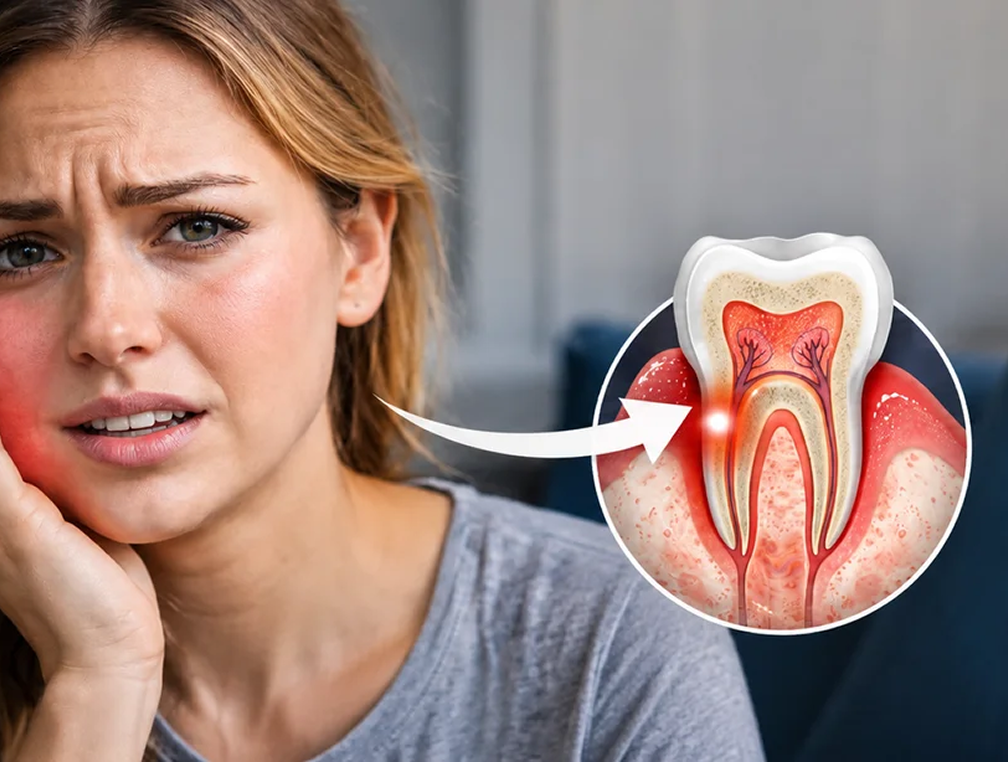
Cavities are one of the most common dental problems, yet they’re often difficult to spot in their early stages. Many people don’t realise they have a cavity until it starts causing pain or discomfort — by which point the decay has usually progressed further than it needed to. Knowing the early warning signs can help you catch a cavity before it becomes a bigger, more expensive problem. In this article, we’ll walk through the key signs of a cavity, how tooth decay develops, and when it’s time to see a dentist. What Exactly Is a Cavity? A cavity is a small hole or area of permanent damage in the hard surface of a tooth, caused by tooth decay. It develops when plaque — a sticky film of bacteria — combines with sugars and starches from food to produce acid. Over time, this acid wears away at the tooth’s enamel, and if left untreated, eventually breaks through into the deeper layers of the tooth. Cavities don’t appear overnight. They develop gradually, which means there are usually warning signs along the way — if you know what to look for. Key Signs You May Have a Cavity 1. Tooth Sensitivity One of the earliest signs of a cavity is increased sensitivity to hot, cold, or sweet foods and drinks. If a specific tooth reacts sharply to a cup of tea or a cold drink, while your other teeth feel fine, it could indicate that decay has started to affect the enamel. 2. Visible Holes or Pits As decay progresses, small holes or pits may become visible on the surface of the tooth. These are often easiest to spot on the chewing surfaces of back teeth, where cavities are most common, but they can appear anywhere. 3. White, Brown, or Black Spots Cavities often begin as small white spots on the tooth surface — an early sign of enamel demineralisation. As decay progresses, these spots can turn brown or black. Any unusual discolouration on a tooth is worth having checked. 4. Toothache or Spontaneous Pain Pain that occurs without any obvious trigger — such as an ache that comes and goes on its own — can indicate that decay has reached the inner layers of the tooth, closer to the nerve. 5. Pain When Biting or Chewing If biting down on food causes sharp or lingering pain in a specific tooth, this can be a sign that a cavity has developed, particularly if the decay is affecting the tooth’s structure or is close to a nerve. 6. Persistent Bad Breath or Bad Taste Bacteria involved in tooth decay can produce a persistent bad taste in the mouth or contribute to bad breath that doesn’t go away with brushing, even a few hours later. 7. Visible Debris or Dark Lines Between Teeth Cavities can sometimes form between teeth, where they’re harder to see directly. Dark lines or shadows visible between teeth, especially near the gumline, can be an early sign of decay in these hard-to-reach areas. 8. Rough or Uneven Tooth Surface Running your tongue over your teeth and noticing a rough patch, small dip, or uneven texture — where the surface used to feel smooth — can be an early physical sign of a developing cavity. 9. Sensitivity When Eating Sweets If eating something sugary causes a sharp, noticeable twinge in a specific tooth, this reaction to sugar can indicate that the enamel has been compromised in that area. Why Cavities Are Often Missed in Early Stages Early-stage cavities frequently cause no noticeable symptoms at all. The enamel has no nerve endings, so decay can progress through this outer layer without any pain. It’s usually only once decay reaches the dentine — the layer beneath the enamel, which is more sensitive — that symptoms like sensitivity or pain begin to appear. This is exactly why regular dental check-ups matter: dentists can spot cavities using visual examination and X-rays long before symptoms develop. Who Is More at Risk of Cavities? Certain factors increase the likelihood of developing cavities: What Should You Do If You Suspect a Cavity? 1. Don’t Wait for the Pain to Get Worse Even mild sensitivity or a small visible spot is worth having checked. Catching a cavity early often means a simple filling, rather than more extensive treatment later. 2. Book a Dental Check-Up A dentist can confirm whether it’s a cavity using a visual exam, a dental probe, and X-rays, which can reveal decay between teeth or beneath the surface that isn’t visible to the naked eye. 3. Improve Your Oral Hygiene Immediately While waiting for your appointment, brush twice daily with fluoride toothpaste, floss daily, and reduce sugary snacks and drinks to help slow further decay. 4. Avoid Extreme Temperatures If a tooth is sensitive, try to avoid very hot or cold foods and drinks until you’ve seen a dentist, as this can help manage discomfort in the meantime. 5. Use a Sensitivity Toothpaste A toothpaste designed for sensitive teeth can help ease mild discomfort temporarily, though it won’t treat the underlying cavity itself. How Are Cavities Treated? Treatment depends on how advanced the decay is: When Should You See a Dentist? You should book a dental appointment promptly if you notice: Even without obvious symptoms, routine dental check-ups every six months are the most reliable way to catch cavities early, before they cause pain or require more invasive treatment. Conclusion Cavities rarely appear suddenly — they develop gradually, often with subtle early signs like sensitivity, small spots, or slight roughness on the tooth surface. Because early-stage decay often causes no pain, it’s easy to miss without regular check-ups. Paying attention to these early warning signs, along with consistent oral hygiene and routine dental visits, gives you the best chance of catching a cavity while it’s still simple and inexpensive to treat. Frequently Asked Questions (FAQs) Q1. Can you have a cavity without any pain? Yes, early-stage cavities often cause no pain at all, since enamel has no nerve
Why Do My Teeth Still Look Yellow After Brushing?
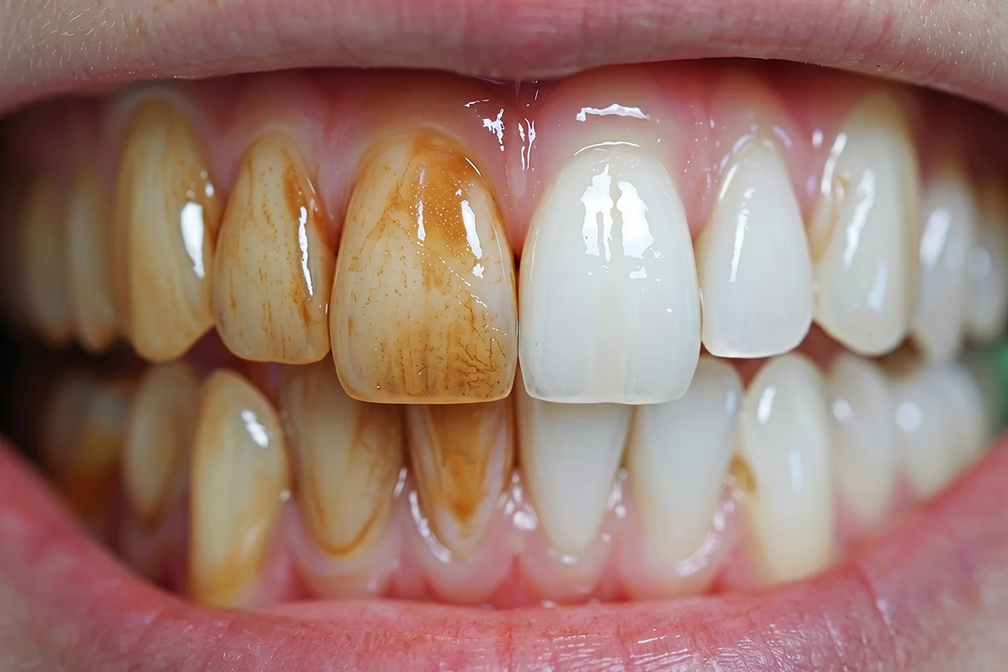
Many people brush their teeth twice a day, yet still notice a yellowish tinge whenever they look in the mirror. If you’ve ever wondered, “I brush regularly, so why do my teeth still look yellow?” — you’re not alone. This is a common dental concern, and it usually has less to do with poor hygiene and more to do with a combination of natural and lifestyle-related factors. In this article, we’ll explain why teeth can appear yellow even with regular brushing, why brushing alone isn’t always enough, and what you can do to achieve a naturally brighter smile. What Is the Natural Colour of Teeth? The first thing to understand is that perfectly “snow white” teeth are actually quite rare. Every person’s teeth have a natural shade, which can range from off-white to a light cream or even a slightly yellow tone. This depends on two layers of the tooth: When enamel is thin or translucent, the yellow tone of the dentine underneath becomes more visible. This means your teeth can be perfectly clean after brushing, yet still appear yellow, simply because of their underlying structure. Why Do Teeth Still Look Yellow After Brushing? Top Reasons 1. Staining Isn’t Always Just on the Surface Brushing is very effective at removing surface stains (extrinsic stains) — such as those caused by tea, coffee or tobacco. However, if staining has become deep-set or has reached the dentine (intrinsic staining), regular brushing won’t remove it. These cases usually require professional whitening treatment. 2. Incorrect Brushing Technique Many people brush too quickly or at the wrong angle, which means plaque isn’t properly removed. If brushing lasts only 30–40 seconds instead of the recommended two minutes, food particles and bacteria remain on the teeth and gradually form a yellowish film. 3. Enamel Erosion Acidic foods and drinks — such as fizzy drinks, citrus fruits and vinegar-based foods — gradually erode enamel. As enamel becomes thinner, the yellow tone of the dentine beneath becomes more noticeable. Unlike surface staining, this can’t be reversed simply by brushing, since enamel doesn’t regenerate. 4. Regular Tea, Coffee and Tobacco Use This is one of the most common causes. Tea and coffee contain tannins that cling to the surface of the teeth. If these are consumed daily, and brushing only happens morning and night, staining builds up steadily throughout the day. 5. The Natural Effect of Ageing As we age, enamel naturally becomes thinner, making the yellow tone of the dentine more prominent. This is a completely natural process that brushing alone cannot control. 6. Dry Mouth or Reduced Saliva Saliva plays a natural role in cleaning the teeth. If someone experiences dry mouth — due to dehydration, certain medications, or mouth breathing — plaque and stains tend to build up more quickly. 7. Fluorosis or Genetics In some cases, excessive fluoride exposure during childhood, or genetic factors, can cause enamel to appear naturally yellowish or patchy. This condition, known as fluorosis, is not affected by brushing. 8. Using the Wrong Type of Toothpaste Not all toothpastes are designed for whitening. Standard toothpaste focuses on cleaning and cavity protection, whereas whitening or stain-removal toothpaste contains mild abrasives or specific ingredients designed to target surface stains. Does Brushing Harder or More Often Whiten Teeth? No — this is a common myth. Brushing too hard or too frequently can actually damage enamel, which may make teeth appear even more yellow over time. The correct approach is to use a soft-bristled toothbrush, brush in gentle circular motions, twice a day, for two minutes each time. How to Achieve a Naturally Brighter Smile 1. Use the Correct Brushing Technique 2. Don’t Skip Flossing Brushing alone cleans only around 60% of the tooth surface. Flossing removes plaque and food particles from between the teeth — areas that often become a hidden source of staining. 3. Reduce Staining Foods and Drinks Tea, coffee, red wine and tobacco are among the biggest contributors to tooth staining. Try to cut down on these, or rinse your mouth with water afterwards. 4. Use a Straw Drinking cold drinks or juice through a straw reduces direct contact between the liquid and your teeth, lowering the risk of staining. 5. Get Regular Dental Cleanings Professional dental cleanings every six months are essential. Dentists can remove tartar and deeper stains that regular brushing simply can’t reach. 6. Try Whitening Toothpaste or Strips For mild staining, whitening toothpaste or over-the-counter whitening strips can help. However, these only work on surface stains, not deeper discolouration. 7. Consider Professional Whitening If your teeth are genuinely discoloured and home remedies aren’t making a difference, professional teeth whitening — whether in-clinic or custom take-home trays from your dentist — is a safe and effective option. When Should You See a Dentist? You should consider consulting a dentist if you notice any of the following: A dentist can accurately diagnose the cause of discolouration — whether it’s staining, enamel erosion, or an underlying dental issue. Conclusion Teeth looking yellow even after brushing doesn’t necessarily mean poor oral hygiene. It’s usually a combination of factors — the natural thickness of enamel, the colour of the dentine beneath, staining foods, ageing, and brushing technique. With the correct brushing method, regular flossing, reduced consumption of staining foods, and routine dental cleanings, most people see noticeable improvement. If results still aren’t satisfactory, professional whitening treatment offers a safe and reliable solution. Frequently Asked Questions (FAQs) Q1. Are teeth naturally white? No, teeth are not naturally pure white. Every person’s teeth have a natural shade, typically off-white or slightly yellowish, depending on enamel thickness and the colour of the dentine underneath. Q2. Why do my teeth still look yellow after brushing? Brushing mainly removes surface stains. If staining has reached deeper into the dentine, or if enamel has become thin, the yellow tone won’t change through brushing alone. Q3. Can baking soda whiten teeth? Baking soda is a mild abrasive that can lightly remove surface stains, but frequent use can damage enamel