

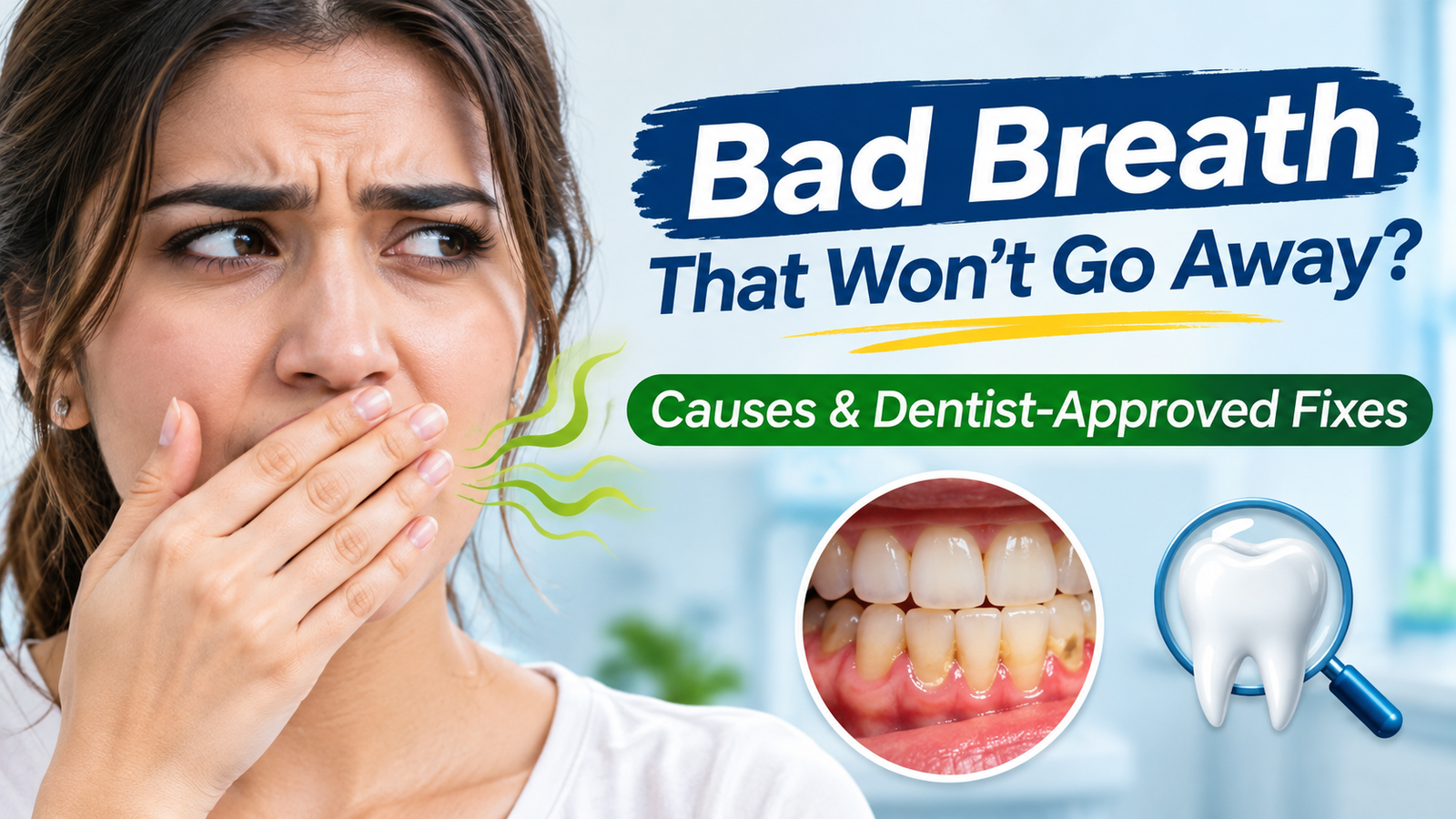

In most people, bad breath comes from the mouth itself. The most common bad breath causes are bacteria on the tongue and between the teeth, gum problems, cavities, a dry mouth, tobacco and strong foods. Brushing, flossing and cleaning your tongue every day fixes many cases. If your breath stays unpleasant even with good habits, a dentist can find the cause, and if the mouth turns out to be healthy, you may need to see a doctor.
Why Does Bad Breath Happen?
Your mouth is full of bacteria, and that’s normal. The problem starts when certain bacteria break down food particles, dead cells and plaque and release smelly sulphur compounds. Anything that lets those bacteria thrive, such as leftover food, a coated tongue or a dry mouth, makes the smell worse.
Bad breath, also called halitosis, is very common, and it doesn’t mean you’re unhygienic. Some causes are easy to fix, and others need a professional look.
Bad Breath Causes: What’s Behind It?
1. Bacteria on the tongue
The back of the tongue is rough, and it’s a favourite hiding place for bacteria and food debris. A white or yellowish coating there is one of the most common reasons for mouth odor, and brushing your teeth alone doesn’t reach it.
2. Food stuck between teeth and plaque build-up
If food and plaque stay between your teeth or along the gum line, they begin to decay and smell. This is especially common if you skip flossing.
3. Gum problems
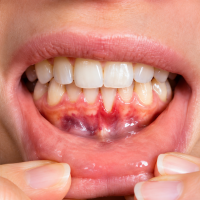
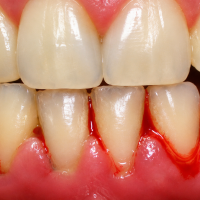
Bleeding, swollen or receding gums can be a sign of gum disease, which is a very common cause of bad breath that won’t go away. Bacteria collect in pockets under the gum line where brushing can’t reach, and they produce a persistent odor and sometimes a bad taste.
4. Cavities and old dental work
Decayed teeth trap food and bacteria. Broken fillings, worn crowns or poorly fitted dentures can do the same thing, and you can’t clean those hidden spots properly at home.
5. A dry mouth
Saliva washes away food and bacteria. When there’s less of it, odor builds up. That’s why you have morning breath after sleeping with your mouth open, and why breath can get worse if you don’t drink enough water, sleep with your mouth open, or take medicines that dry the mouth.
6. Strong foods and drinks
Onion, garlic and spicy foods, along with coffee and alcohol, can all leave an odor. This kind of bad breath is temporary, because the smell comes from food being absorbed into the bloodstream and breathed out through the lungs, and it fades over time.
7. Smoking and tobacco
Cigarettes, bidis, gutka and paan leave their own smell, dry out the mouth and increase the risk of gum problems, so they make bad breath worse on every front.
8. Problems in the throat, nose or sinuses
Sometimes the source isn’t the mouth. Tonsil stones, post-nasal drip, sinus infections and throat issues can all cause an unpleasant smell. If your teeth and gums are healthy but the problem continues, it’s worth seeing an ENT doctor.
9. Other health factors
A few medical issues, including acid reflux and some other conditions, can also affect the smell of your breath. If a dentist rules out the mouth, a doctor can look into this.
Bad Breath Causes at a Glance
| Cause | Clue | What usually helps |
|---|---|---|
| Coated tongue | White or yellow coating, smell worst from the back of the mouth | Daily tongue cleaning |
| Food and plaque between teeth | Smell returns soon after brushing | Flossing, professional cleaning |
| Gum problems | Bleeding or swollen gums, bad taste | Dental check-up and treatment |
| Cavities or old dental work | Visible holes, rough or broken fillings | Dental treatment |
| Dry mouth | Worse in the morning or when thirsty | Water, saliva-friendly habits, dentist advice |
| Strong foods | Smell after a meal, passes with time | Brush, rinse, wait |
| Tobacco | Constant stale smell | Cutting down or quitting |
| Throat, nose or sinus issues | Healthy mouth but ongoing odor | See an ENT doctor |
How to Stop Bad Breath: What Actually Works
If you want to know how to stop bad breath, these everyday habits make the biggest difference.
Clean your tongue every day
Tongue cleaning is the most overlooked step. Use a tongue scraper or the back of your toothbrush, starting as far back as is comfortable, and rinse after each stroke. Be gentle, since a very hard scrape can irritate it.
Brush properly, twice a day
Two minutes, a soft brush and a fluoride toothpaste. Take your time along the gum line, where plaque likes to hide.
Floss or use interdental brushes
A lot of the odor comes from what’s stuck between the teeth. Cleaning there once a day makes a big difference.
Drink enough water
Sipping water through the day keeps your mouth moist and washes away food particles. It helps if you tend to have a dry mouth.
Choose sugar-free gum or lozenges
Chewing sugar-free gum after meals boosts saliva, which helps clear odor. Avoid anything sugary, since sugar feeds the bacteria.
Be careful with mouthwash
A mouthwash can freshen your breath for a while, but it mostly covers the smell. Strong alcohol-based rinses can dry the mouth and make things worse over time. Ask your dentist which type suits you.
Rethink strong foods and tobacco
You don’t have to give up onion and garlic, but a good brush and tongue clean afterwards helps. If you use tobacco, cutting down is one of the best things you can do for your breath and your gums.
Bad Breath Remedies You Might Have Heard Of
A few traditional bad breath remedies are popular, and some are fine for a quick, temporary freshen-up:
- Chewing fennel seeds (saunf) or a cardamom pod (elaichi) after a meal can leave a pleasant smell and encourage saliva.
- Drinking water regularly helps keep the mouth moist.
- Eating crunchy fruit and vegetables like apple and carrot helps clean the teeth a little.
It’s important to be honest about what these do. They freshen the breath for a short time, but they don’t treat the cause. If the problem keeps coming back, the cause still needs to be found.
How Dentists Treat Bad Breath
A dentist starts by finding out where the smell is coming from. That usually means checking your teeth, gums and tongue, looking at your fillings and any dental work, and asking about your habits and medicines.
Treatment depends on what’s found. It may include a professional cleaning to remove tartar and plaque, treatment of gum disease, fixing cavities or faulty fillings, advice on cleaning your tongue and teeth properly, and tips for managing a dry mouth. If the mouth turns out to be healthy, the dentist may suggest you see a doctor.
When Should You See a Dentist?
Book a visit if:
- your breath is unpleasant even though you brush, floss and clean your tongue
- your gums bleed, look swollen or are pulling back
- you have a bad taste in your mouth that doesn’t go away
- you have a toothache, a visible cavity or a broken filling
- you haven’t had a cleaning in more than six months
If your dentist finds nothing wrong in your mouth, or you also have symptoms like a persistently blocked nose, sore throat or heartburn, book a visit with a doctor.
Frequently Asked Questions
What are the most common bad breath causes?
Bacteria on the tongue, food and plaque between the teeth, gum problems, cavities, a dry mouth and tobacco are the most common. Strong foods cause temporary bad breath.
How can I stop bad breath quickly?
Brush, floss, clean your tongue and drink some water. Sugar-free gum can help for a short time. For lasting results, you need to fix the cause.
Why does my breath smell even after brushing?
Brushing doesn’t clean the tongue or between the teeth. Gum problems, cavities and a dry mouth can also cause odor that brushing alone won’t fix.
Is bad breath a sign of a health problem?
Usually it comes from the mouth, but sometimes it can be linked to the throat, nose, sinuses or digestion. If your mouth is healthy and the smell continues, see a doctor.
Does tongue cleaning really help?
Yes. Much of the odor comes from bacteria on the tongue, so cleaning it daily is one of the most effective habits you can have.
Is mouthwash enough to treat halitosis?
No. It can freshen your breath temporarily, but it doesn’t remove plaque or treat gum problems. The cause needs to be treated.
Why is my breath worse in the morning?
Your mouth produces less saliva while you sleep, so bacteria multiply. Morning breath is normal, and it usually improves after brushing and cleaning your tongue.
Can bad breath be cured permanently?
In many cases, yes, once the cause is found and treated and you keep up good daily habits. Some causes, like gum disease, need ongoing care to stay under control.
Worried About Bad Breath in Mohali?
Persistent bad breath is very treatable once the cause is known, and a short check-up is usually enough to find it. Explore our expert dental solutions in Mohali, or book a visit at TrueSmilez Dental Clinic and we’ll help you get to the bottom of it.