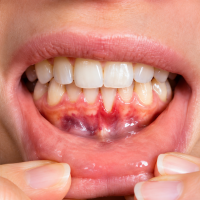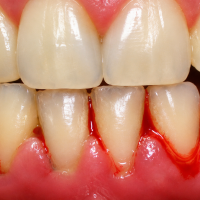


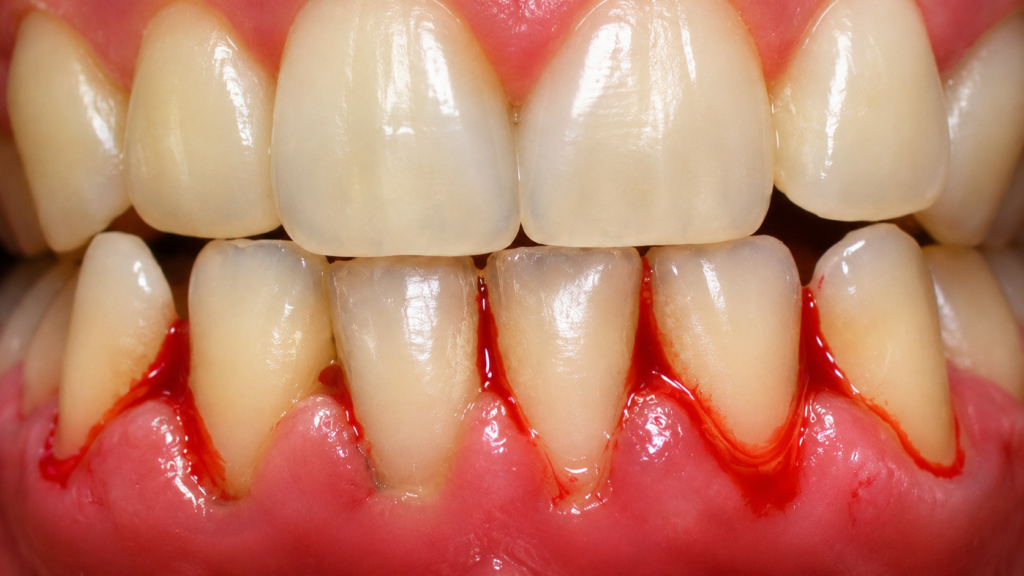
The most common cause of bleeding gums is plaque building up along the gum line and irritating the gums, which is an early stage of gum disease called gingivitis. Other causes include brushing too hard, starting to floss after a long gap, hormonal changes, certain medicines and nutritional gaps. Bleeding gums aren’t normal, even if they only bleed a little. If it keeps happening for more than a week or two, it’s time to see a dentist.
Why Do Gums Bleed in the First Place?
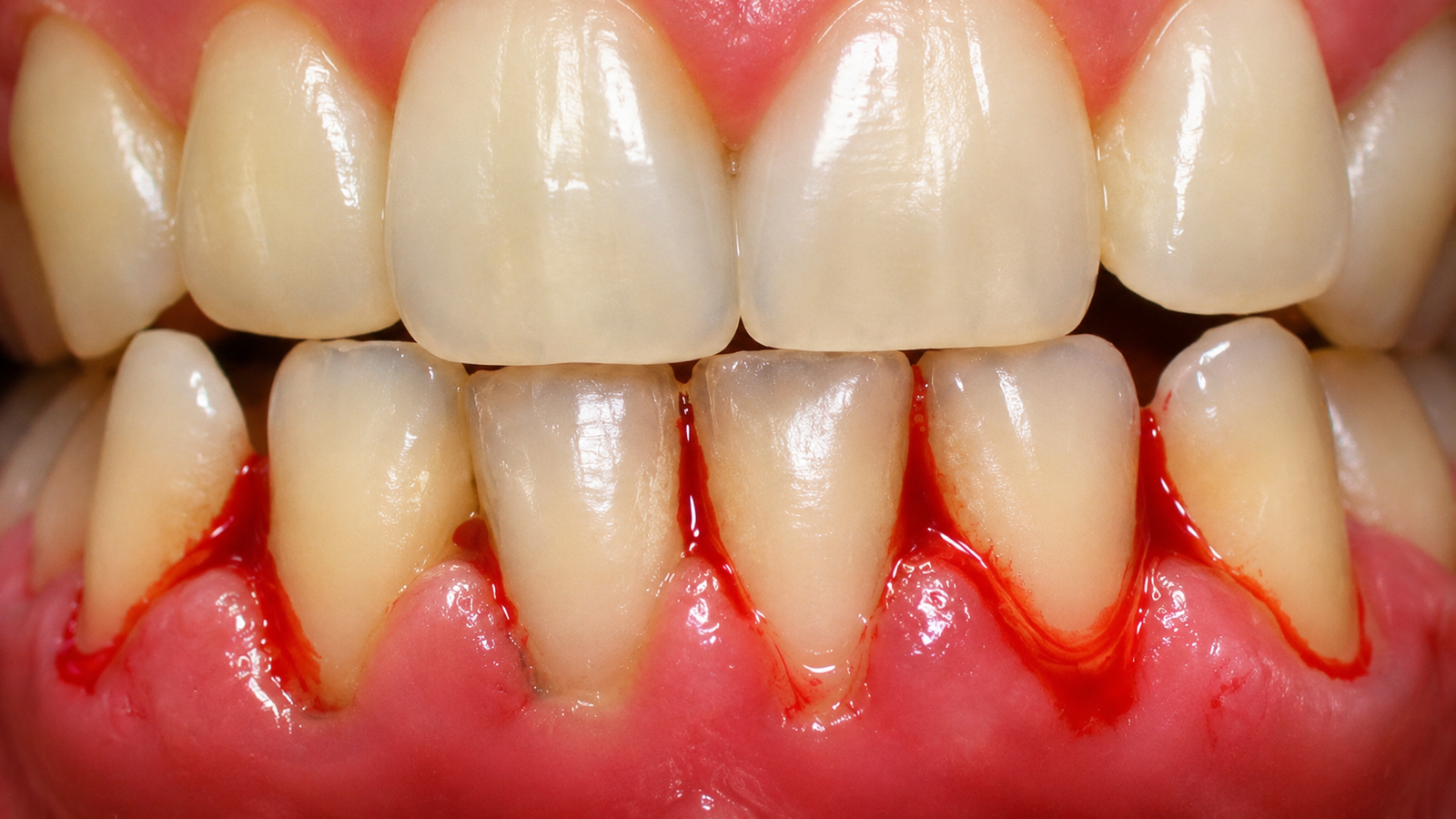
Healthy gums are firm, pink and don’t bleed when you brush or floss. When they bleed, it usually means they’re inflamed, and inflamed gums have extra blood flow close to the surface, so even gentle pressure can set them off. Gum bleeding while brushing is the sign most people notice first, often as pink in the sink or on the toothbrush.
The tricky part is that it’s usually painless, so it’s easy to shrug off. But it’s the body’s way of saying something needs attention.
Bleeding Gums Causes: 8 Things to Know
1. Plaque build-up
Plaque is the soft, sticky film that forms on your teeth every day. If it isn’t cleaned off properly, bacteria in it irritate the gums, which become red, puffy and tender and bleed easily. If it hardens into tartar, you can’t brush it off at all.
What helps: Brushing twice a day for two minutes, cleaning between your teeth daily and getting a professional cleaning to remove tartar.
2. Gingivitis
Gingivitis is the early stage of gum disease. It’s what plaque build-up leads to when it’s left alone. Along with bleeding, you might notice swollen gums, redness, a bad taste or bad breath. The good news is that gingivitis is usually reversible with a proper cleaning and better home care.
What helps: A dental check-up and scaling, plus a consistent routine at home.
3. Periodontitis (advanced gum disease)
If gingivitis isn’t dealt with, the infection can spread below the gum line and begin to damage the tissue and bone that hold your teeth. Signs include gums pulling away from the teeth, deep pockets, persistent bad breath, pus, and teeth that feel loose or shift. This stage can’t be fully reversed, but it can be controlled.
What helps: A dentist needs to assess this. Treatment usually involves a deeper cleaning below the gum line, and sometimes more.
4. Brushing too hard
More pressure doesn’t mean cleaner teeth. A hard-bristled brush or aggressive scrubbing can injure the gums, make them bleed and even cause them to recede over time.
What helps: A soft brush, gentle circular motions at an angle towards the gum line, and letting the bristles do the work.
5. Starting to floss, or flossing after a long break
If your gums bleed when you begin flossing, it’s often because they were already inflamed from plaque between the teeth. It usually settles within a week or two of regular, gentle flossing as the gums become healthier.
What helps: Keep going gently. Slide the floss up and down against the side of each tooth rather than snapping it down onto the gum. If it’s still bleeding after a couple of weeks, get it checked.
6. Hormonal changes
Puberty, monthly cycles, pregnancy and menopause can all make gums more sensitive and more likely to bleed. Pregnancy gingivitis is common, and it can happen even if you’re brushing well.
What helps: Careful home care and a dental visit. If you’re pregnant, tell your dentist, since regular cleanings are safe and helpful during this time.
7. Certain medicines
Some medicines, including blood thinners such as aspirin and other prescription drugs, can make bleeding more likely. Others can cause dry mouth or gum overgrowth, which can make gum problems worse.
What helps: Tell your dentist about everything you take. Never stop or change a medicine on your own because of gum bleeding. Speak to your doctor if you’re worried.
8. Nutrition gaps and other health factors
Very low levels of vitamin C or vitamin K can affect the gums and how blood clots. Smoking and chewing tobacco make gum problems worse and can hide the signs of bleeding, so you may not notice there’s an issue. Some health conditions can also affect gum health, which is another reason to let your dentist and doctor know your full history.
What helps: A balanced diet with fresh fruit and vegetables, cutting down on tobacco, and a check-up so the cause can be found.
Bleeding Gums at a Glance
| Cause | What you might notice | What to do |
|---|---|---|
| Plaque build-up | Red, puffy gums, bad breath | Better cleaning, professional scaling |
| Gingivitis | Bleeding, swollen gums | Dental check-up and cleaning |
| Periodontitis | Receding gums, loose teeth, pus | See a dentist promptly |
| Brushing too hard | Bleeding with sore or receding gums | Soft brush, gentle technique |
| New flossing | Bleeding that eases in 1 to 2 weeks | Keep flossing gently |
| Hormonal changes | Tender gums at certain times | Careful home care, dental visit |
| Medicines | Bleeding without much plaque | Tell your dentist and doctor |
| Nutrition and health factors | Bleeding that doesn’t settle | Check-up, balanced diet, quit tobacco |
When Should You See a Dentist?
Book a visit if:
- your gums bleed regularly, or for more than a week or two despite good brushing
- your gums are swollen, red or tender
- you notice bad breath that won’t go away
- your gums are pulling back or your teeth look longer
- your teeth feel loose or your bite feels different
- you see pus or a bad taste in your mouth
See a doctor promptly if your gums bleed heavily without any obvious reason, if the bleeding doesn’t stop, or if you also bruise easily or bleed from other places.
How Dentists Treat Bleeding Gums
The treatment depends on the cause. For plaque and gingivitis, a professional cleaning (scaling) usually does most of the work, along with advice on brushing and flossing. For more advanced gum disease, a deeper cleaning below the gum line may be needed, and in some cases further treatment. If a medicine, hormone change or health factor is involved, your dentist will work out a plan with you and, if needed, your doctor.
How to Look After Your Gums at Home
- Brush twice a day with a soft brush and a fluoride toothpaste.
- Clean between your teeth every day with floss or interdental brushes.
- Don’t skip the gum line, where plaque likes to hide.
- Rinse with warm salt water if your gums feel sore. It can soothe, but it isn’t a cure.
- Cut down on tobacco and sugary snacks.
- Replace your toothbrush every three months or when it frays.
- Have a professional cleaning and check-up about every six months.
Frequently Asked Questions
What are the most common bleeding gums causes?
Plaque build-up and gingivitis are the most common. Brushing too hard, new flossing, hormonal changes, certain medicines and nutritional or health factors can also cause it.
Is it normal for gums to bleed when brushing?
It’s common, but it isn’t normal. Healthy gums don’t bleed, so regular bleeding is a sign that your gums need attention.
Should I stop brushing if my gums bleed?
No. Keep brushing gently. Stopping lets more plaque build up and usually makes the bleeding worse.
Can bleeding gums heal on their own?
If it’s from mild gingivitis, better cleaning at home can often improve it within a couple of weeks. If it doesn’t, or if it keeps coming back, you need a dentist.
What is the difference between gingivitis and gum disease?
Gingivitis is the early, reversible stage of gum disease. If it isn’t treated, it can progress to periodontitis, which is more serious and can affect the bone around your teeth.
Do swollen gums mean an infection?
Not always, but swollen, red gums are a sign of inflammation, and an infection is possible. It’s worth getting them checked, especially if there’s pus, pain or a bad taste.
Can vitamin deficiency cause bleeding gums?
Very low vitamin C or vitamin K can contribute. But most bleeding gums are caused by plaque, so a dentist should check first.
Are bleeding gums a sign of something serious?
Often it’s just gingivitis, but it can also point to advanced gum disease or another health issue, so persistent bleeding shouldn’t be ignored.
Looking for Gum Treatment in Mohali?
Bleeding gums are very treatable, especially when they’re caught early. Explore our expert dental solutions in Mohali, or book a check-up at TrueSmilez Dental Clinic to find out what’s behind it and get the right gum treatment.