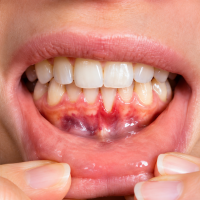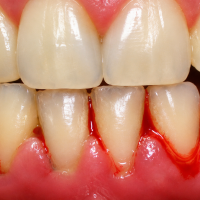




Gum disease develops in stages. It starts with gingivitis, a mild and reversible inflammation of the gums, and can progress to early, moderate and then advanced periodontitis, where the bone that supports your teeth is damaged. The earlier it’s caught, the simpler the treatment. Gingivitis usually clears up with a professional cleaning and better home care, while periodontitis needs deeper treatment and ongoing maintenance, because lost bone doesn’t grow back on its own.
What Is Gum Disease?
Gum disease is an infection and inflammation of the tissues around your teeth, caused by bacteria in plaque. Plaque is the soft, sticky film that forms on your teeth all day. If it isn’t cleaned off, it hardens into tartar and bacteria keep irritating the gums.
It often develops quietly, with little or no pain. Many people don’t realise they have it until it’s quite advanced, which is why it’s worth knowing the stages.
Gum Disease Stages Explained
Dentists describe gum disease in a few ways, and some use a more detailed system of staging and grading. This simple four-step version is the easiest way to understand how it progresses.
Stage 1: Gingivitis
This is the earliest stage. The infection is limited to the gums, and the bone and ligaments holding your teeth are not affected yet.
Gingivitis symptoms to look for:
- gums that bleed when you brush or floss
- red, swollen or puffy gums
- tender gums
- bad breath that keeps coming back
Is it reversible? Yes. With a professional cleaning and a good daily routine, gingivitis can heal completely.
Stage 2: Early periodontitis
If gingivitis is left alone, bacteria can move below the gum line. The gums start to pull away from the teeth, forming small gaps called pockets, and the support around the teeth begins to wear down slightly.
What you might notice:
- bleeding that happens more often
- gums that look like they’re starting to recede
- persistent bad breath or a bad taste
- slightly deeper pockets, which a dentist can measure
Is it reversible? The damage that has already happened can’t be fully undone, but it can usually be stopped and controlled with treatment.
Stage 3: Moderate periodontitis
The infection is now deeper, and there’s noticeable loss of the bone and tissue that support the teeth. Pockets are deeper and harder to keep clean.
What you might notice:
- swollen, red or sore gums, sometimes with pus
- visibly receding gums, so teeth look longer
- teeth that feel slightly loose
- pain or sensitivity when chewing
Is it reversible? Not fully. Treatment aims to remove the infection, stop further damage and keep your teeth for as long as possible.
Stage 4: Advanced periodontitis
In this stage, a large amount of the supporting bone has been lost. Teeth may become loose, shift position or change how your bite fits together, and some may not be saveable.
What you might notice:
- clearly loose or moving teeth
- gaps opening up between teeth
- repeated gum infections or abscesses
- difficulty chewing
- severe gum recession
Is it reversible? No, but treatment can often still control the disease, protect remaining teeth and, where needed, plan replacements.
Gum Disease Stages at a Glance
| Stage | What’s affected | Typical signs | Reversible? | Usual treatment |
|---|---|---|---|---|
| 1. Gingivitis | Gums only | Bleeding, redness, swelling | Yes | Professional cleaning and better home care |
| 2. Early periodontitis | Gums, early bone loss | Pockets, more bleeding, receding gums | Can be controlled | Deep cleaning |
| 3. Moderate periodontitis | Gums and bone | Pus, loosening teeth, longer-looking teeth | Can be controlled | Deep cleaning, possibly further treatment |
| 4. Advanced periodontitis | Extensive bone loss | Loose or shifting teeth, abscesses | Can be controlled, damage remains | Specialist care, possibly surgery or tooth replacement |
What Causes Gum Disease to Progress?
Plaque is the root cause, but some things make gum disease more likely or make it worse:
- not cleaning teeth properly, or skipping flossing
- smoking and using tobacco, which also hides the early warning signs
- hormonal changes, such as during pregnancy
- certain health conditions, such as diabetes
- some medicines that cause dry mouth
- crowded teeth that are hard to clean
- family history
- stress and a weak immune response
If you have any of these, regular dental visits become even more important.
How Is Gum Disease Treated?
Professional cleaning (scaling)
For gingivitis, the dentist removes plaque and tartar from the teeth, including along the gum line. With good home care afterwards, the gums usually recover in a couple of weeks.
Deep cleaning
This is the main periodontitis treatment. Deep cleaning, often called scaling and root planing, cleans below the gum line and smooths the root surfaces so the gums can reattach. It may be done in more than one visit, often with local anaesthesia so it’s comfortable.
Further treatment for advanced cases
If deep pockets remain, the dentist may recommend additional treatment, which can include medicines used locally in the pockets or gum procedures to clean and reshape the area. In some cases, a referral to a gum specialist is the best choice.
Replacing teeth that can’t be saved
When teeth are too loose to keep, replacement options can be discussed once the gums are healthy. You can read about this on our dental implants page.
Ongoing maintenance
Gum disease can come back, so after treatment you’ll usually need more frequent check-ups and cleanings, often every three to four months, as your dentist advises. That’s how the result is kept stable.
How to Prevent Gum Disease
- Brush twice a day with a soft brush and fluoride toothpaste.
- Clean between your teeth every day, using floss or interdental brushes.
- Get a professional cleaning and check-up about every six months.
- Stop smoking or using tobacco.
- Keep sugary snacks and drinks to a minimum.
- Manage any health conditions you have, and tell your dentist about them.
- Don’t ignore bleeding. It’s the earliest and most useful warning sign.
When Should You See a Dentist?
Book a visit if you notice:
- gums that bleed regularly or look swollen and red
- bad breath that won’t go away
- receding gums or teeth that look longer
- pus or a bad taste around the gums
- teeth that feel loose or have shifted
Don’t wait for pain. Gum disease is often painless until it’s advanced.
Frequently Asked Questions
What are the stages of gum disease?
The main stages are gingivitis, early periodontitis, moderate periodontitis and advanced periodontitis. Gingivitis is the mildest and the only stage that can be fully reversed.
What are the first gingivitis symptoms?
Bleeding gums when you brush or floss, red or swollen gums, tenderness and bad breath. They’re often painless, which is why they’re easy to miss.
Can gingivitis turn into periodontitis?
Yes, if it isn’t treated. Plaque and bacteria move below the gum line and begin to damage the supporting tissue and bone.
Is periodontitis curable?
It can’t be fully reversed, because lost bone doesn’t grow back on its own. But it can be controlled with proper treatment and regular maintenance.
What is a gum infection?
It’s a bacterial infection of the gum tissue. It can range from mild inflammation in gingivitis to deep infections with pus in periodontitis.
Does deep cleaning hurt?
It’s usually done with local anaesthesia, so it’s comfortable. Your gums may feel tender for a day or two afterwards.
How long does gum treatment take?
Gingivitis usually improves within a couple of weeks of a cleaning and good home care. Periodontitis treatment can take several visits, followed by regular maintenance.
Can gum disease cause tooth loss?
Yes. In advanced periodontitis, loss of supporting bone can make teeth loose, and some may have to be removed. Early treatment greatly reduces that risk.
Looking for Gum Treatment in Mohali?
The sooner gum disease is checked, the simpler it is to treat. A dentist can tell you which stage you’re at and whether you’d benefit from seeing a gum specialist. Explore our expert dental solutions in Mohali, or book a check-up at TrueSmilez Dental Clinic.