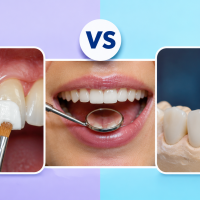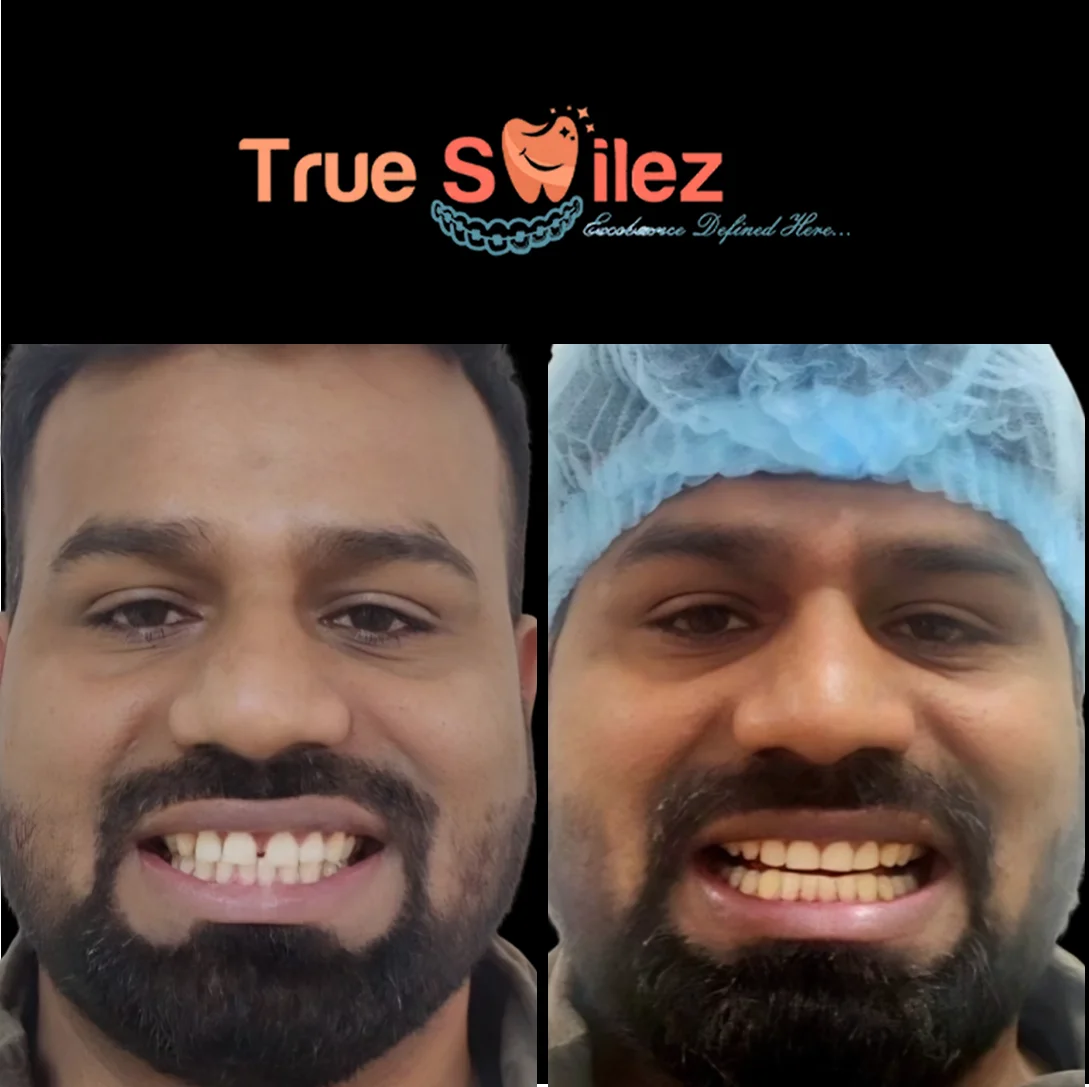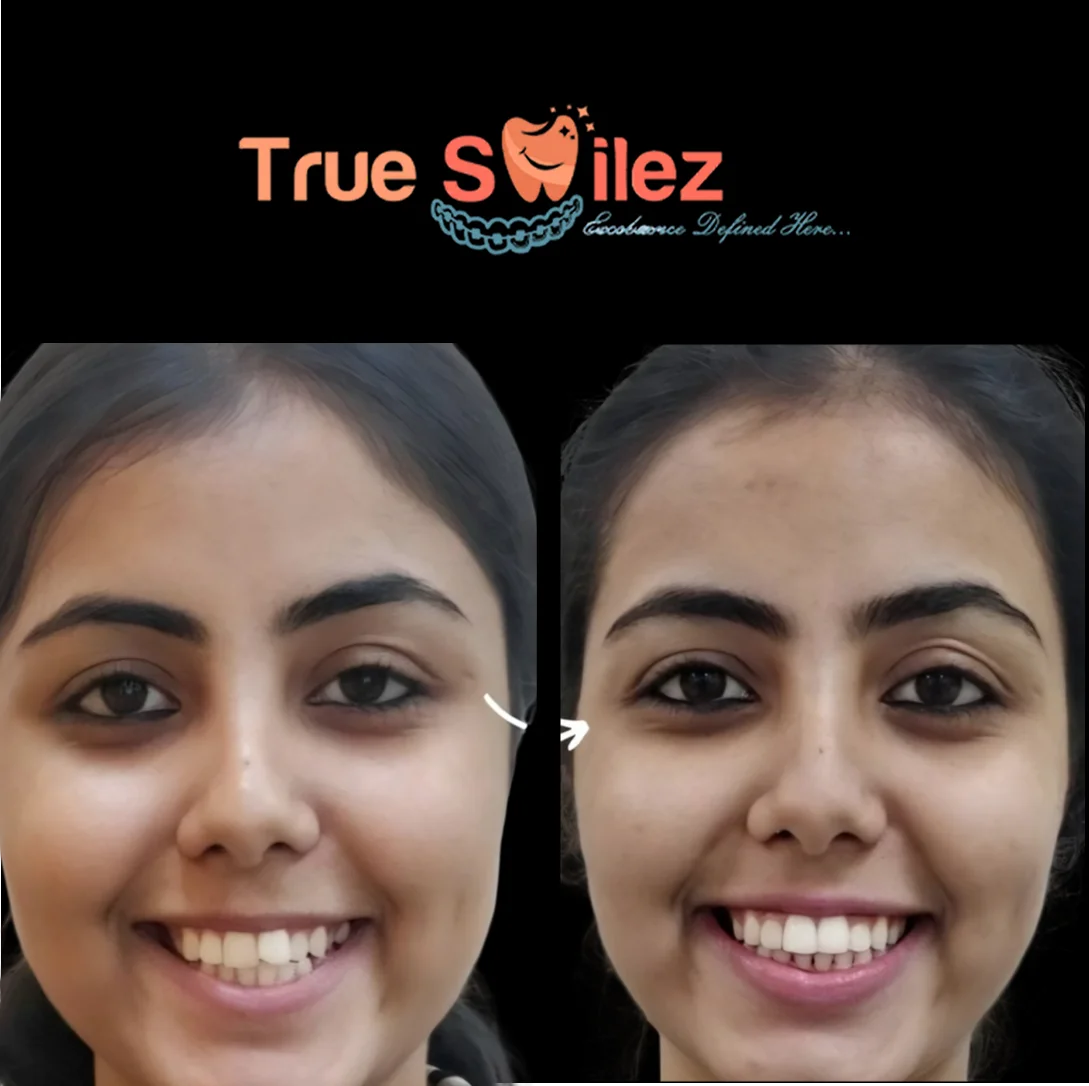


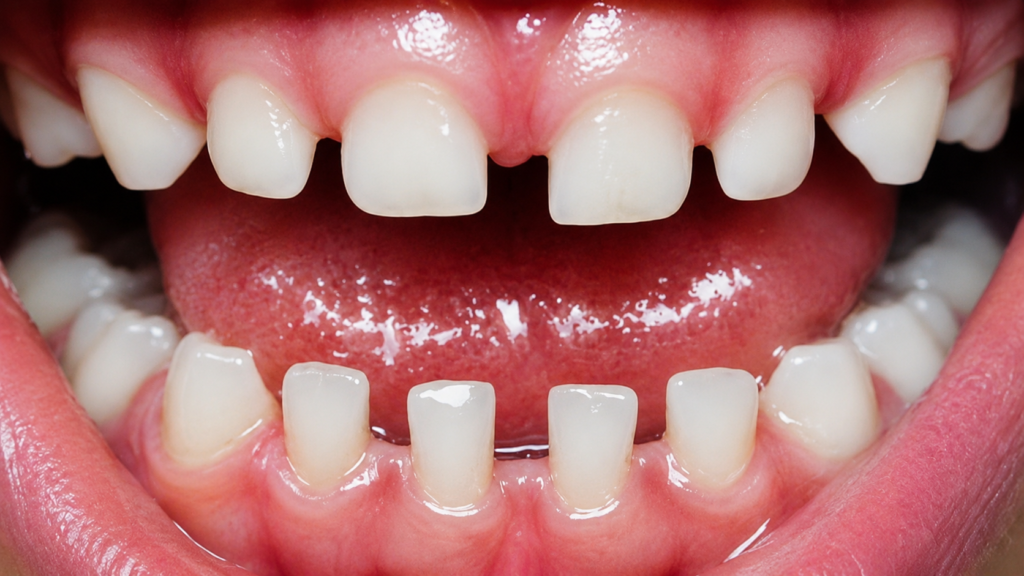
If you’re wondering how to fix a gap in teeth, the good news is that most gaps can be closed without surgery. The five usual options are dental bonding, veneers, clear aligners, traditional braces and crowns. Bonding and veneers hide a gap quickly, while aligners and braces actually move the teeth together. Which one is right depends on the size of the gap, what caused it, and the health of your teeth and gums, so a dentist needs to take a look first.
What Causes a Gap Between Teeth?
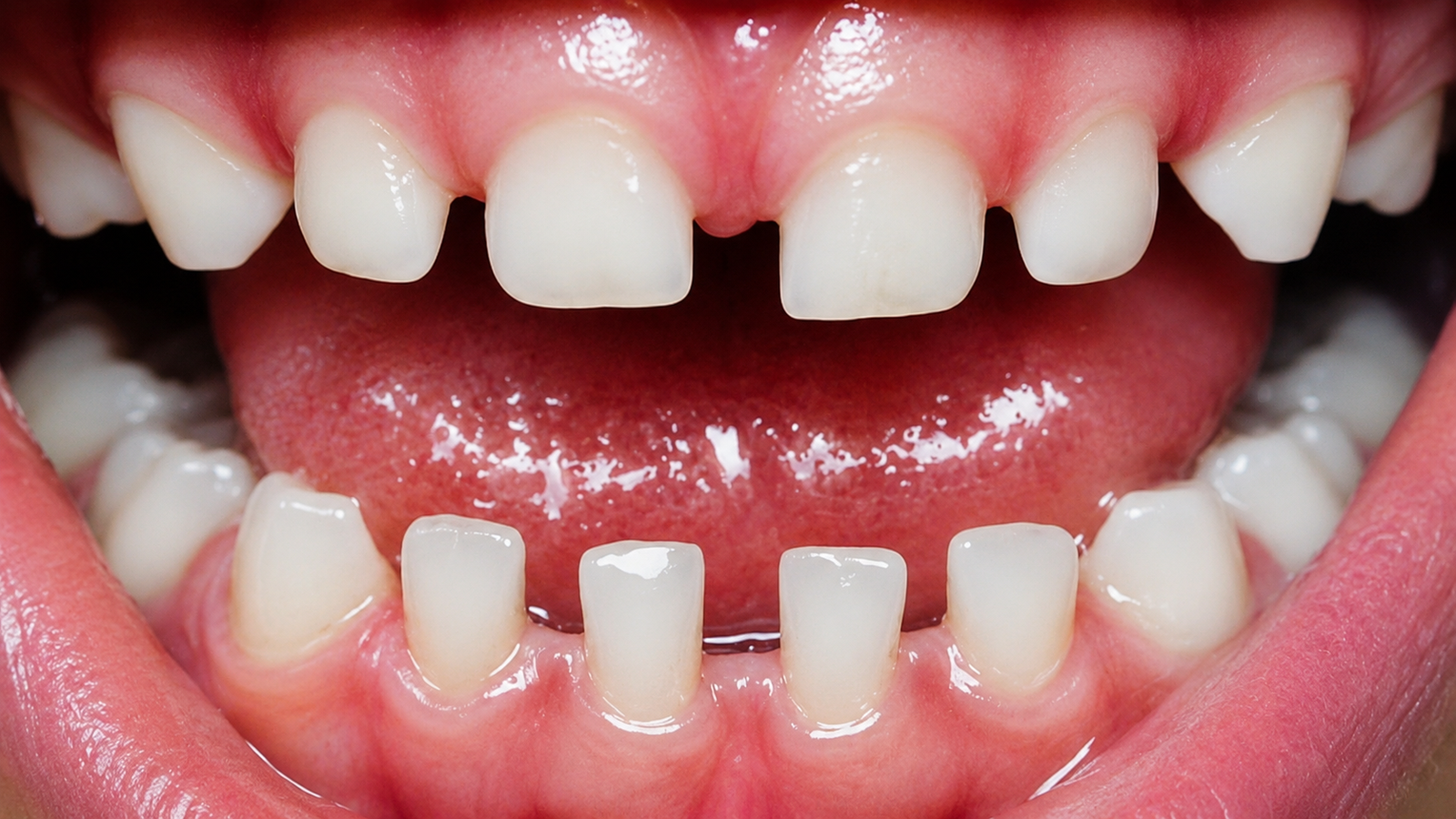
A gap between the teeth, often between the two upper front ones, is called a diastema. It’s very common and usually harmless, but knowing the cause helps decide the treatment. The most frequent reasons are:
- Teeth that are small compared with the jaw, so there’s extra space left over
- A thick strip of tissue (the frenum) pulling between the upper front teeth
- Habits like thumb sucking in childhood or pushing the tongue against the teeth
- Gum problems, which can loosen teeth and let them drift apart
- Small or peg-shaped teeth, or a tooth that’s missing
Some people simply inherit it, and many don’t mind it at all. If you like your gap, there’s nothing to fix. But if it bothers you, there are plenty of ways to deal with it.
How to Fix Gap in Teeth: 5 Options Without Surgery
1. Teeth bonding
Teeth bonding is the quickest and gentlest fix. The dentist applies a tooth-coloured resin to the sides of the teeth next to the gap, shapes it, hardens it with a light and polishes it to match your natural teeth.
- Best for: small gaps, usually in one or two spots
- Time: often a single visit
- Good to know: it needs little or no removal of enamel. The resin can chip or stain over time, so it generally doesn’t last as long as veneers and may need touching up.
2. Veneers
Veneers for gaps are thin shells made of porcelain or ceramic that are bonded to the front of your teeth. They make the teeth wider so the gap disappears, and they can improve colour and shape at the same time. You can read more on our veneers and smile designing page.
- Best for: gaps along with stained, chipped or uneven teeth, when you want a total smile upgrade
- Time: around two to three weeks, over a few visits
- Good to know: a thin layer of enamel is removed, so it’s not reversible. Veneers hide the gap rather than moving your teeth.
3. Clear aligners
Aligners for gaps are removable, transparent trays that slowly move your teeth together. They’re popular with adults because they’re hardly visible, and you can take them out to eat and brush.
- Best for: gaps caused by spacing, mild to moderate cases
- Time: several months, depending on the case
- Good to know: you need to wear them most of the day for them to work. You’ll also need a retainer afterwards so the gap doesn’t reopen.
4. Traditional braces
Metal or ceramic braces are fixed to the teeth and gradually close the gap. They can handle bigger gaps and more complicated bite problems than aligners.
- Best for: larger gaps, multiple gaps, or cases that also involve crowding or bite issues
- Time: often longer than aligners, from several months to a couple of years
- Good to know: they’re visible and need extra care with cleaning, but they give the dentist a lot of control.
5. Dental crowns
Crowns aren’t the first choice for a simple gap, but they make sense when the teeth next to it are also weak, badly worn, broken or unusually small. The crown covers the whole tooth and is built a little wider to close the space.
- Best for: small peg-shaped teeth or teeth that need protection anyway
- Time: about two visits
- Good to know: more of the natural tooth has to be shaped, so dentists tend to choose gentler options first when they’re enough.
Comparing the Options at a Glance
| Option | How it closes the gap | Best for | Typical time | Reversible? |
|---|---|---|---|---|
| Bonding | Adds resin to widen the teeth | Small gaps | One visit | Mostly yes |
| Veneers | Covers teeth with wider shells | Gaps plus colour or shape issues | Two to three weeks | No |
| Clear aligners | Moves teeth together | Mild to moderate spacing | Several months | Yes |
| Braces | Moves teeth together | Larger or complex gaps | Months to a couple of years | Yes |
| Crowns | Covers and widens the tooth | Small, weak or damaged teeth | About two visits | No |
When Does a Gap Need More Than These Options?
Sometimes the treatment depends on the cause, and a couple of situations may need something extra:
- A thick frenum pulling between the front teeth can make a gap reopen after braces or aligners. The dentist might suggest a small procedure to release it. That’s the one case where a minor procedure may come into the plan.
- A missing tooth leaves a gap that moving the neighbours can’t always fix well. Options include a bridge or an implant. Our dental implants page explains how that works.
- Gum problems need treating first. If the gap appeared recently or your teeth feel loose, get checked soon, because that can be a sign of gum trouble rather than a cosmetic issue.
Can You Close a Gap at Home?
No, and it’s worth saying plainly. You’ll see rubber bands, DIY gap-closing kits and similar tricks online, but moving teeth without a dentist’s supervision can damage the gums and the roots, and in the worst cases it can cause teeth to loosen. Gap closing should always be planned and watched by a professional.
How to Choose the Right Option
A few questions help narrow it down:
- How big is the gap? Small ones suit bonding. Larger ones usually need aligners or braces.
- Do you want to move the teeth or just cover the gap? Moving them preserves your natural teeth. Covering is faster.
- Are there other things you’d like to improve, like colour or shape? Then veneers may make sense.
- How long are you willing to wait? Bonding and veneers are quick. Aligners and braces take patience.
- What does your dentist see? The cause and the health of your gums matter more than any preference.
Keeping the Gap From Coming Back
If your teeth were moved, wearing the retainer as advised is the single most important thing. Teeth have a habit of drifting back. Keep your gums healthy with regular brushing, flossing and six-monthly check-ups, and let your dentist know if you grind your teeth or push your tongue against them, since both can contribute.
Frequently Asked Questions
How to fix gap in teeth without braces?
Bonding, veneers and crowns can close a gap without braces by widening the teeth. Clear aligners are another option that move the teeth without metal brackets.
What is the fastest way to close a gap in teeth?
Teeth bonding is the fastest, and it’s often completed in a single visit for small gaps.
Is teeth bonding permanent?
Not quite. It lasts for years with good care, but the resin can chip or stain and may need repair or replacement over time.
What is diastema treatment?
Diastema treatment is any method used to close a gap between the teeth, most often between the front two. It can include bonding, veneers, aligners, braces or, in some cases, a small procedure to release the frenum.
Can aligners fix gaps in teeth?
Yes, they work well for spacing issues in mild to moderate cases. A dentist will tell you whether your gap suits them.
Do veneers damage teeth?
Porcelain veneers need a thin layer of enamel to be removed, which can’t be put back. When done properly on healthy teeth, they’re a safe and long-lasting option.
Will the gap come back after treatment?
It can if you don’t wear your retainer after aligners or braces. Bonding and veneers don’t move teeth, so the gap itself won’t reopen, but the teeth around them can still shift.
Are gaps in teeth a sign of a health problem?
Usually not. But a new gap, or loose teeth, can point to gum problems, so it’s worth getting checked.
Looking for Gap Teeth Treatment in Mohali?
The best option depends on your teeth and what’s causing the gap, and a short examination will tell you. Explore our expert dental solutions in Mohali, or book a consultation at TrueSmilez Dental Clinic to find out which way of closing your gap suits you best.