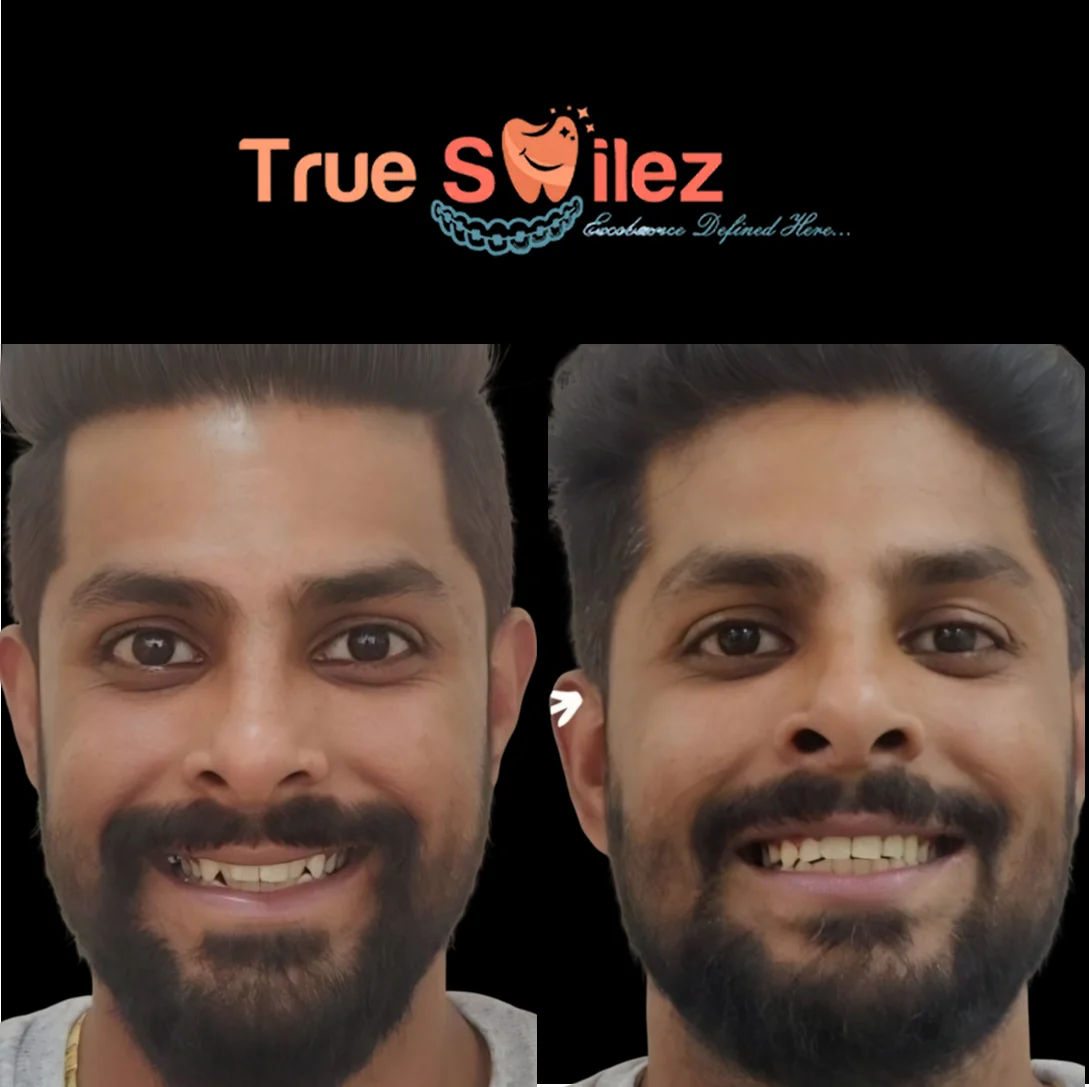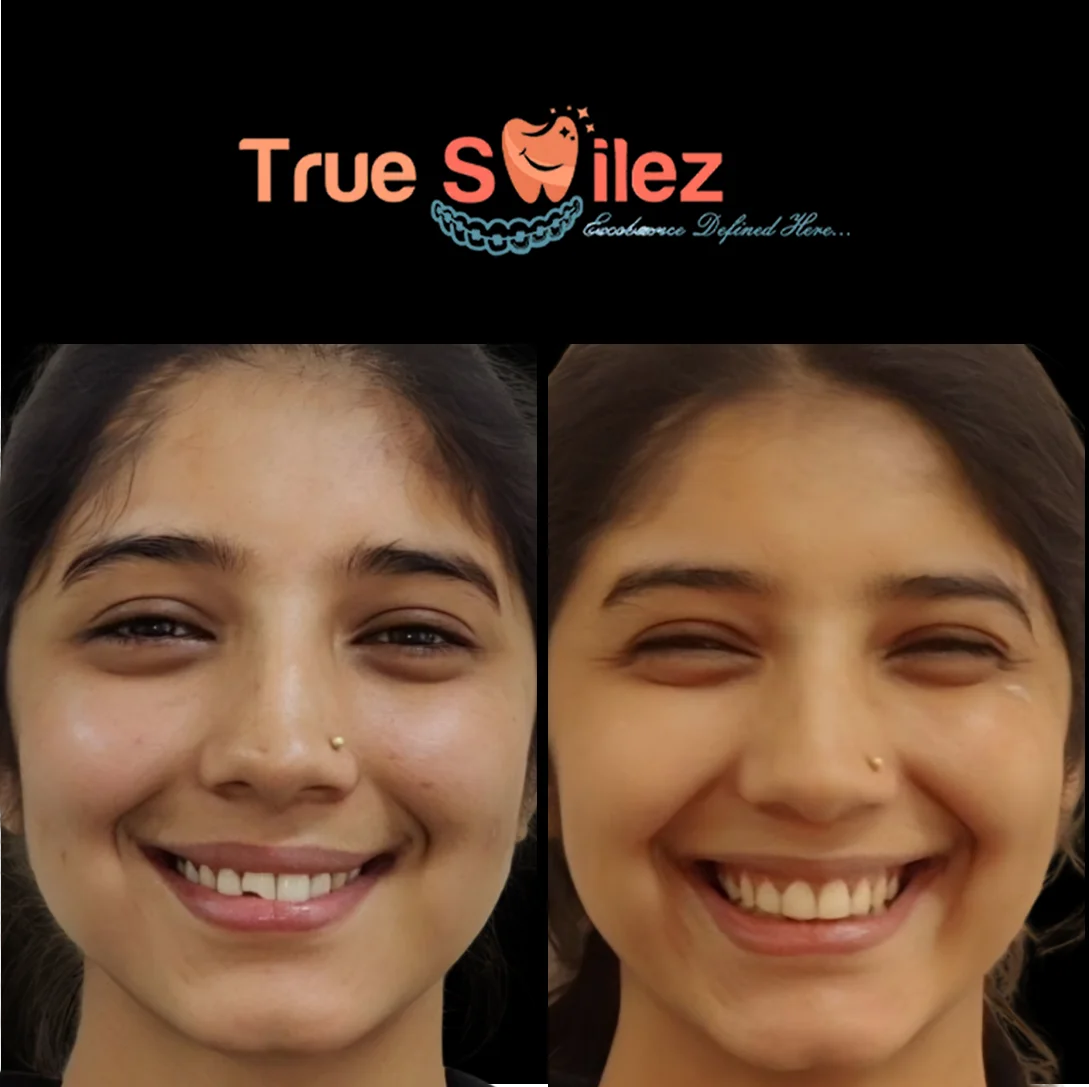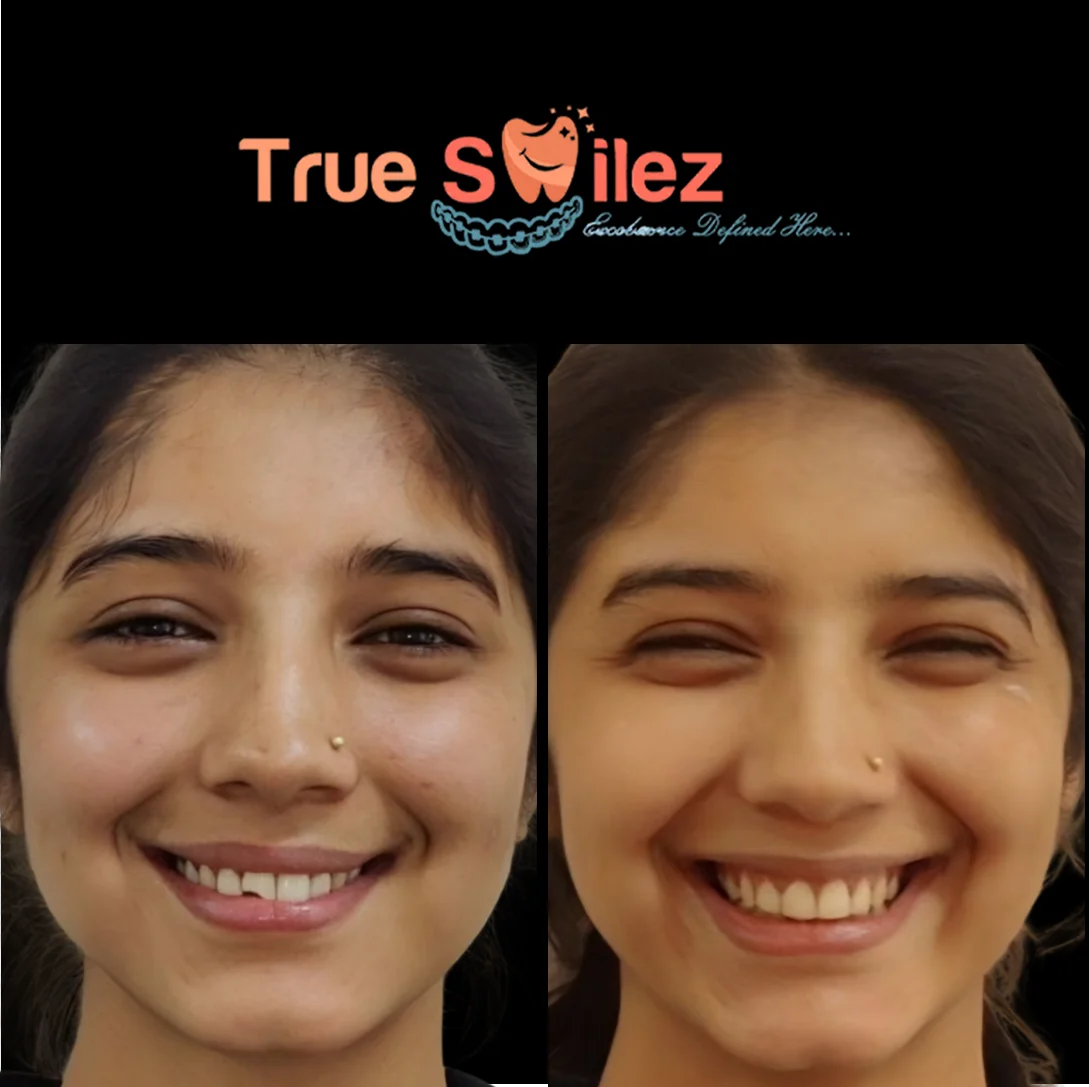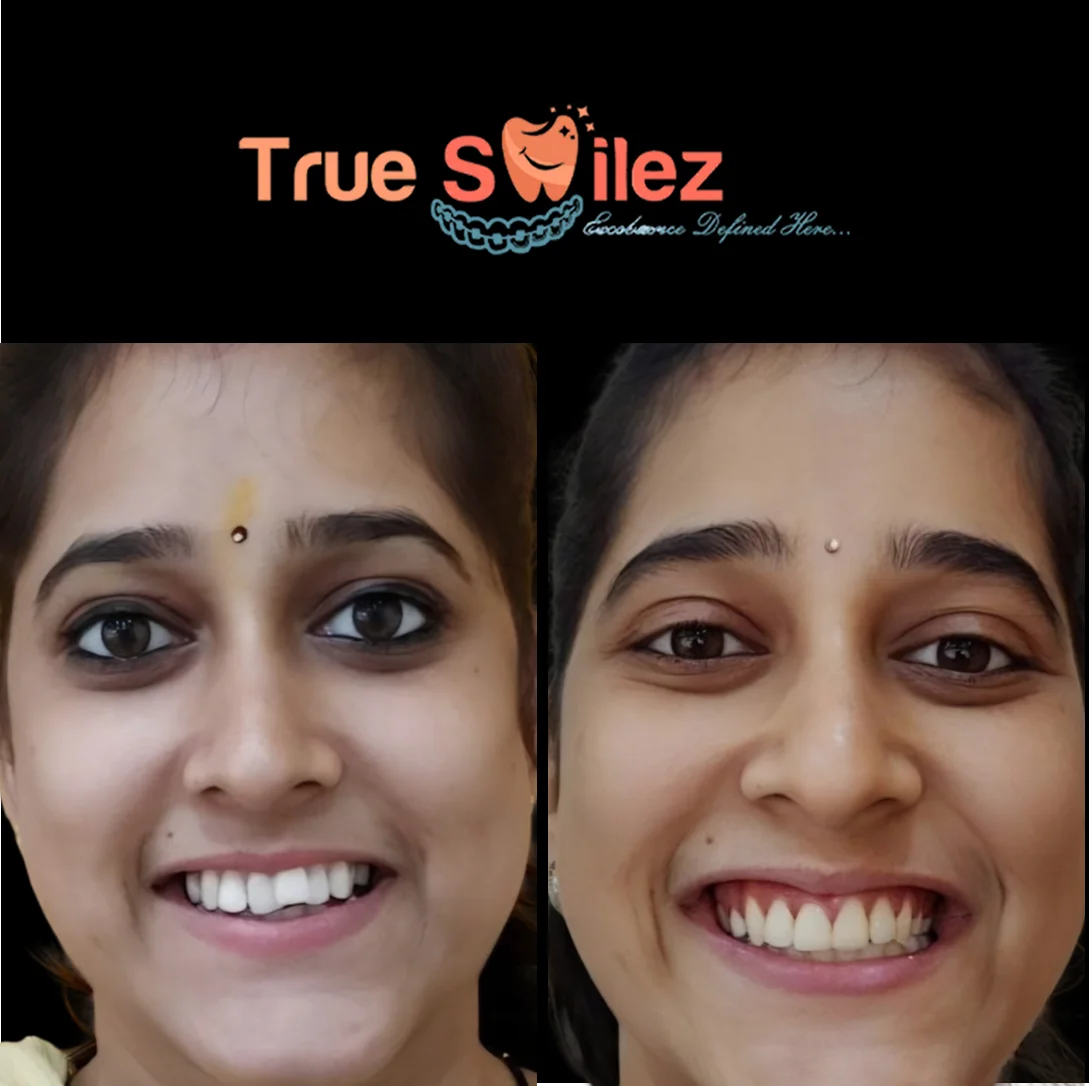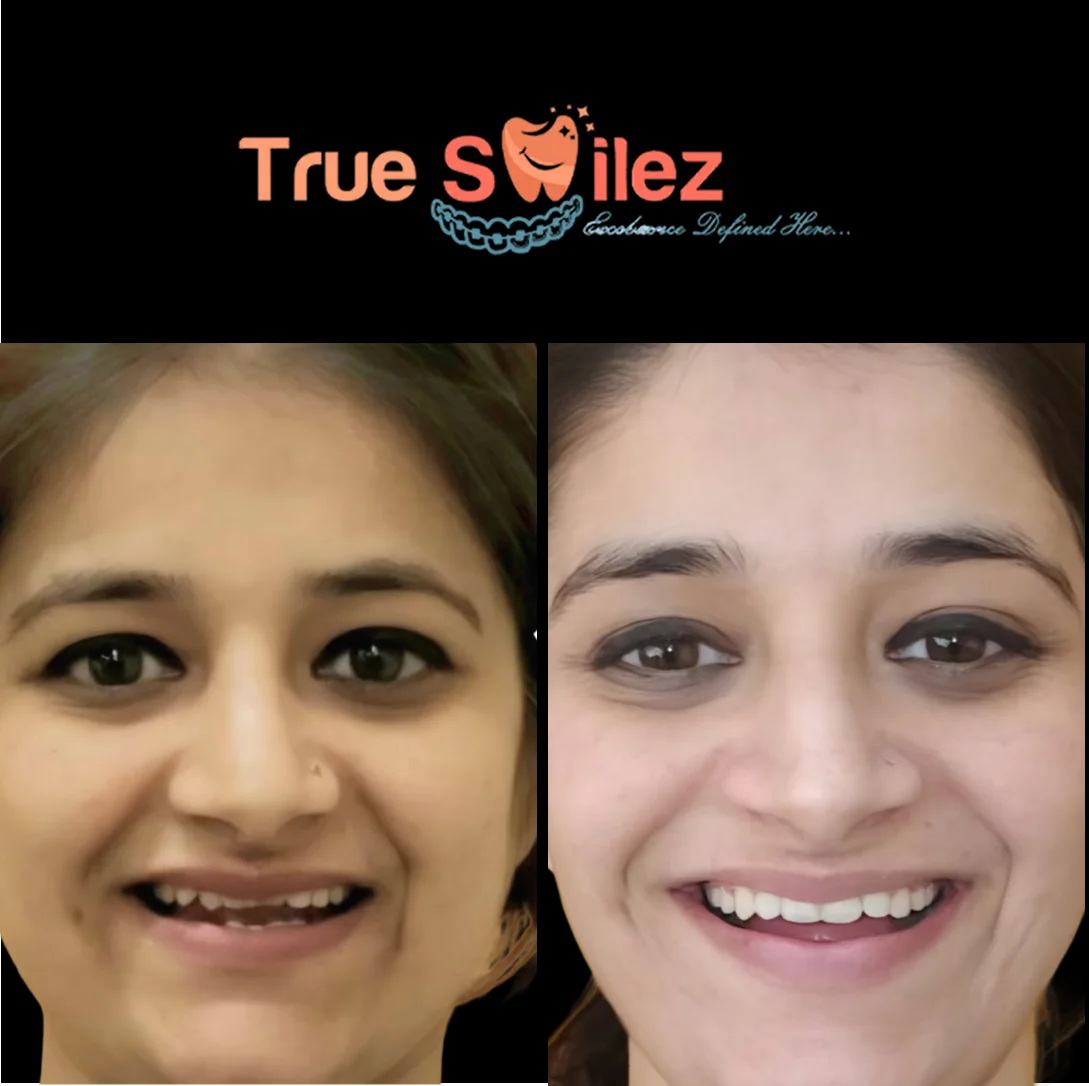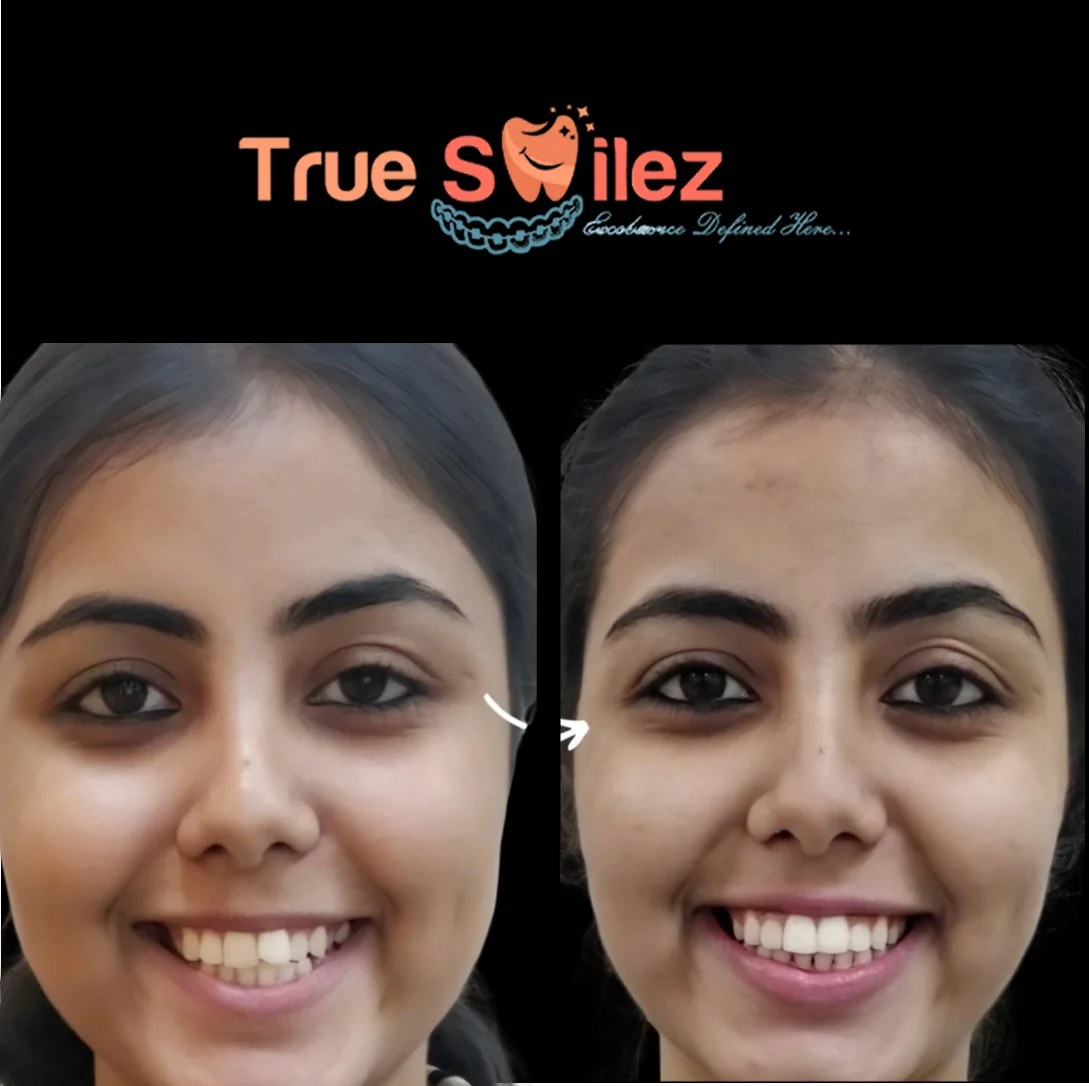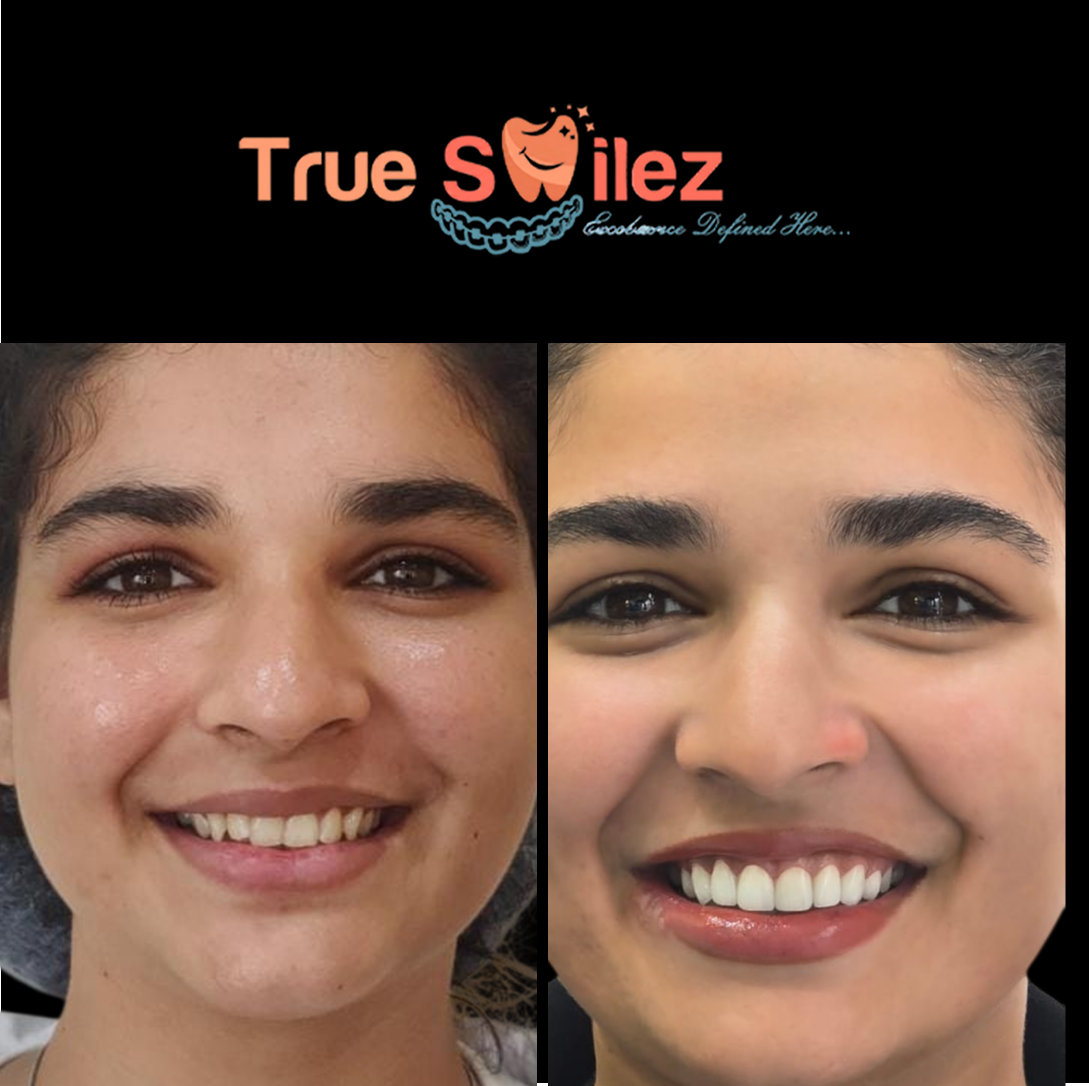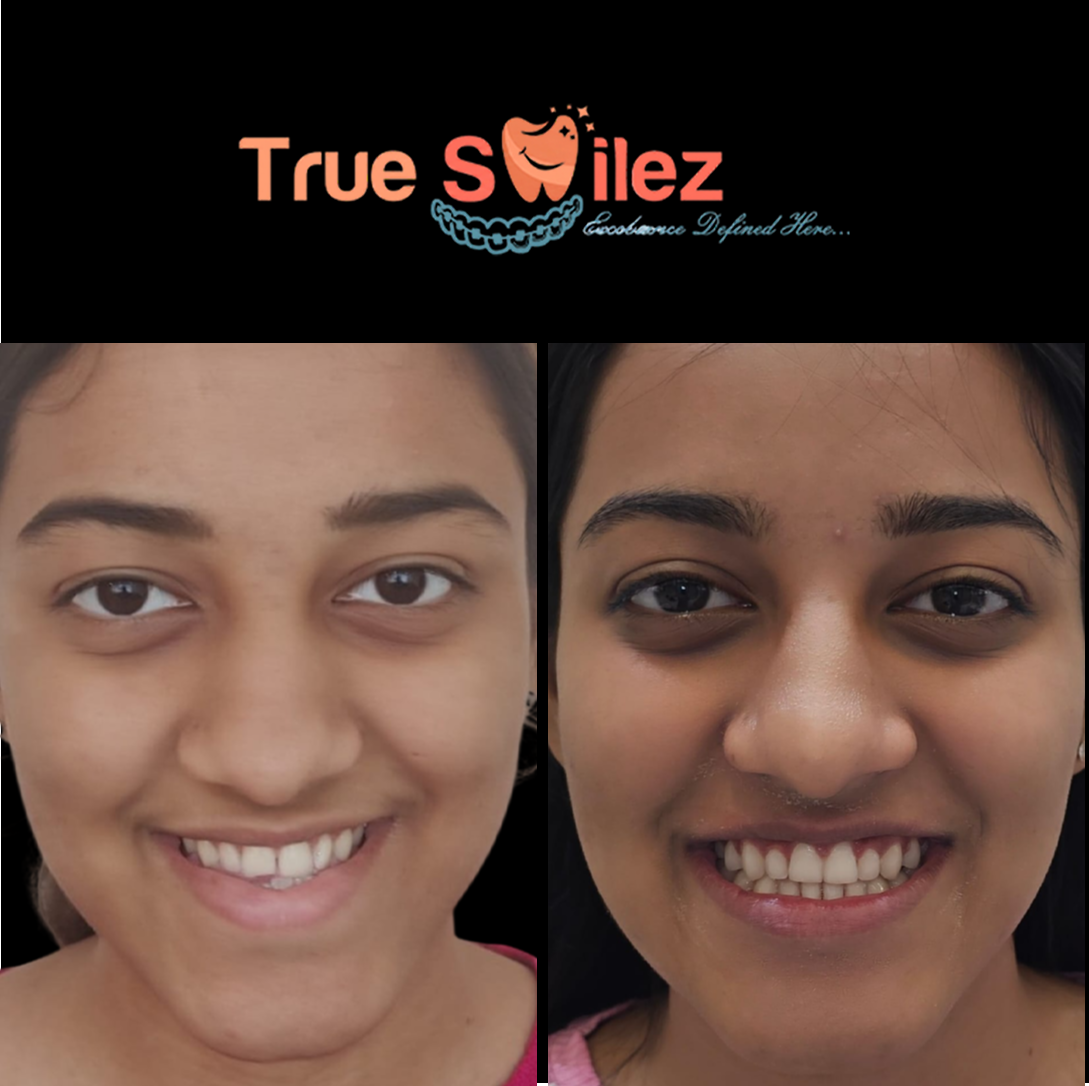


Yellow teeth and dull-looking smiles often get treated as the same problem, but the fix isn’t always the same. Some people need teeth cleaning, others need teeth whitening, and many need both. Confusing the two can mean spending on a treatment that doesn’t actually solve your concern.
This guide explains teeth cleaning vs teeth whitening — what each does, how they differ, and how to know which one you actually need.
What Is Teeth Cleaning?
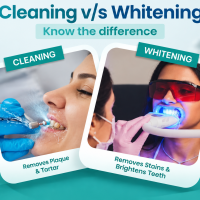
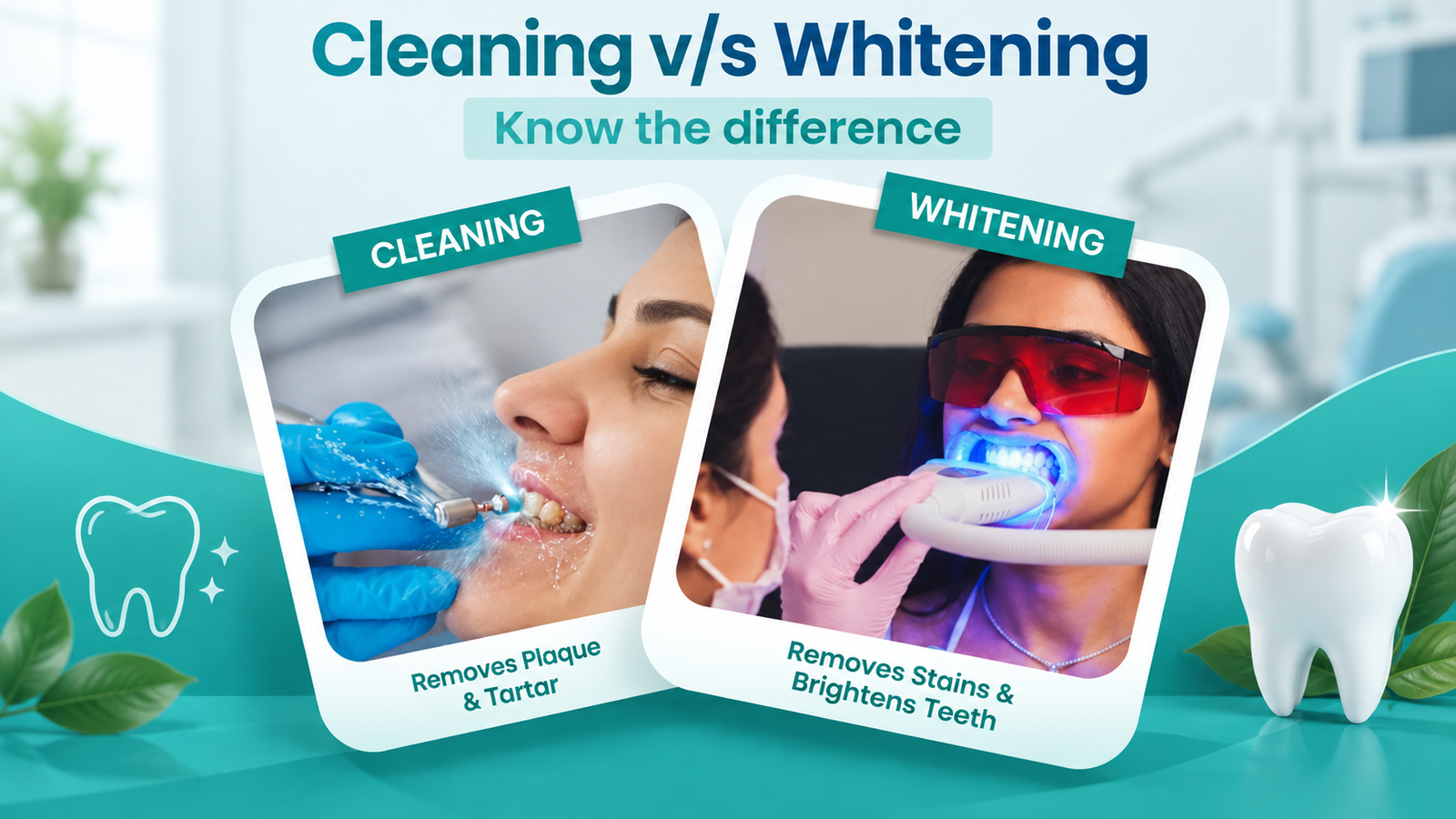
Professional teeth cleaning, also called scaling and polishing, is a dental procedure that removes plaque, tartar and surface debris that regular brushing can’t reach. It’s a routine part of oral hygiene maintenance, not a cosmetic treatment.
During the procedure:
- Scaling removes hardened plaque (tartar) from the tooth surface and along the gumline using ultrasonic or hand instruments
- Polishing smooths the tooth surface, removing minor surface stains and leaving teeth feeling smooth
- Fluoride application (in some cases) strengthens enamel afterward
The primary purpose of teeth cleaning is oral health, not appearance. It helps prevent gum disease, cavities and bad breath, though it does leave teeth looking noticeably fresher. It’s also a good time to get a general check-up if you’re due for one — see our expert dental solutions in Mohali for the full range of services we cover.
What Is Teeth Whitening?
Teeth whitening is a cosmetic treatment aimed specifically at making teeth appear brighter and lighter in shade. Unlike cleaning, it doesn’t remove plaque or tartar — it works by breaking down stains and discolouration within the tooth enamel using a bleaching agent.
Whitening can be done:
- In-clinic, using a stronger, professionally applied gel activated with light or heat for faster results
- At home, with dentist-provided custom trays and a milder gel used over consecutive days
Teeth whitening addresses deeper discolouration — the kind caused by ageing, tea, coffee, tobacco or certain medications — that cleaning alone cannot fix. If you’re planning a full smile makeover rather than just whitening, it’s worth exploring our veneers and smile designing options as well.
Teeth Cleaning vs Teeth Whitening: Key Differences
| Aspect | Teeth Cleaning | Teeth Whitening |
|---|---|---|
| Purpose | Oral hygiene and gum health | Cosmetic brightening |
| What it removes | Plaque, tartar, surface stains | Deep-set stains and discolouration |
| Frequency recommended | Every 6 months | As needed, with maintenance |
| Changes tooth colour | Slightly (removes surface stains) | Significantly (lightens overall shade) |
| Addresses gum health | Yes | No |
| Best for | Routine maintenance, tartar buildup, bad breath | Yellowing, staining from food/drink/tobacco |
Do You Need Teeth Cleaning or Teeth Whitening?
You likely need teeth cleaning if:
- It’s been 6 months or more since your last dental cleaning
- You notice a rough or gritty feeling on your teeth
- Your gums bleed when brushing or flossing
- You have persistent bad breath
- You see visible tartar buildup near the gumline
You likely need teeth whitening if:
- Your teeth look yellow or dull despite regular brushing
- You’ve recently had a cleaning but still aren’t happy with the shade
- You consume a lot of tea, coffee, red wine or tobacco
- You want brighter teeth for an event or occasion
- Ageing has caused gradual yellowing over the years
You may need both if:
- You haven’t had a cleaning in a while and also want brighter teeth — in this case, cleaning should always come first, since whitening works better and more evenly on a plaque-free surface
Why Cleaning Should Come Before Whitening
If your teeth have plaque or tartar buildup, whitening gel can’t work evenly across the tooth surface. Getting a professional teeth cleaning first ensures:
- The whitening treatment is applied to a genuinely clean tooth surface
- Results are more even and predictable
- Your dentist can check for cavities or gum issues that whitening might otherwise mask
- You avoid wasting a treatment on teeth that need cleaning first
Most dental clinics will recommend a cleaning as a first step even if you’ve only asked about whitening.
Can Teeth Cleaning Remove Yellow Stains?
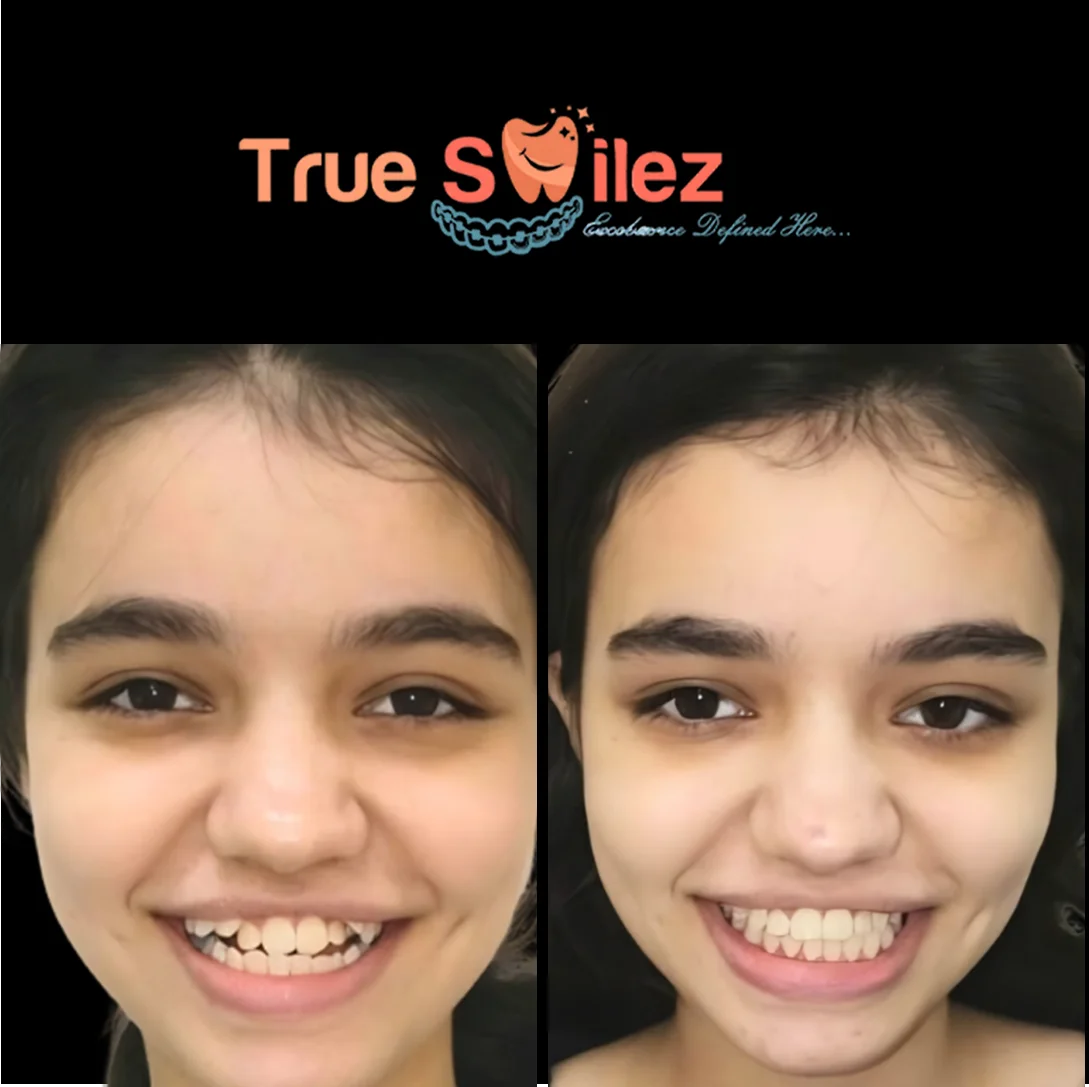
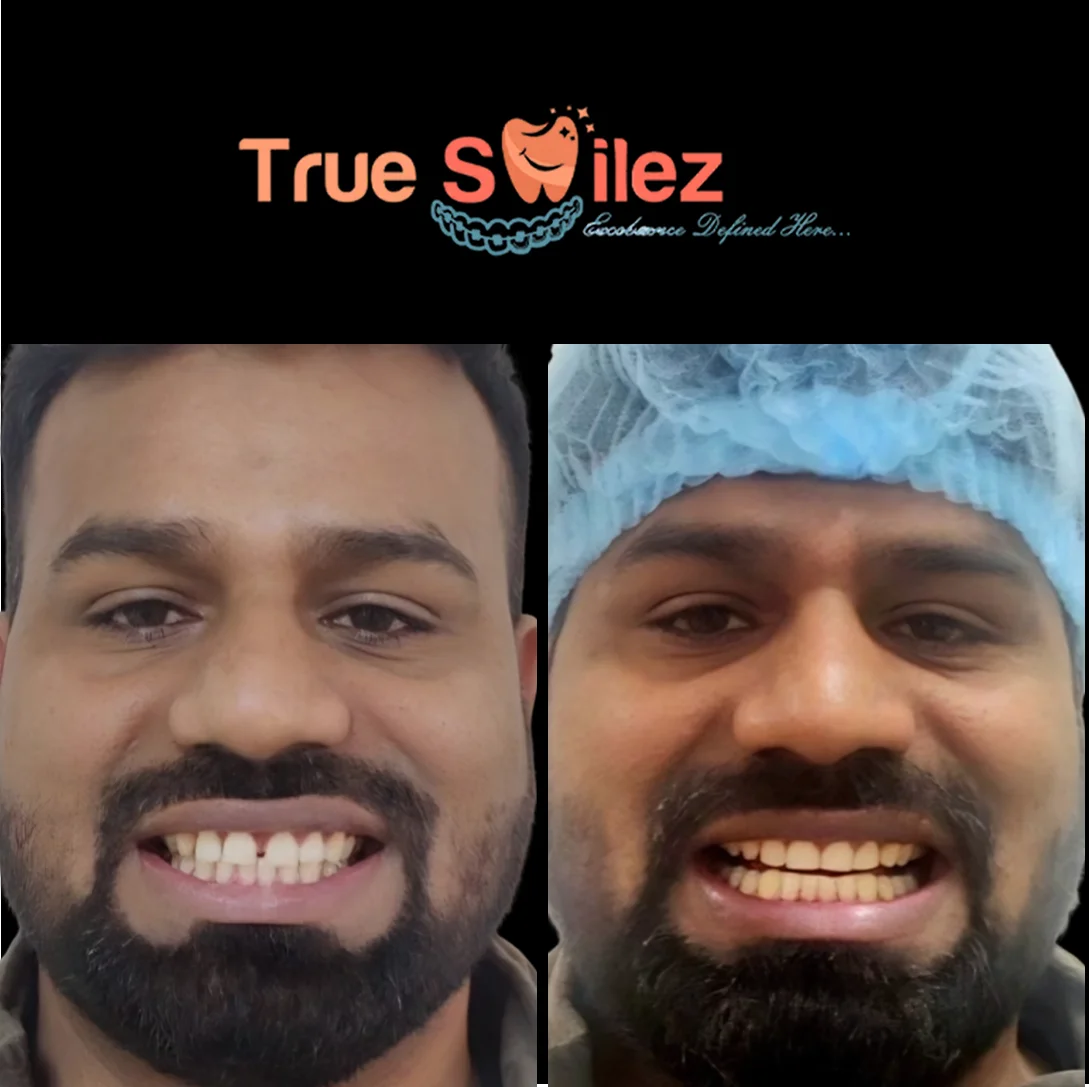
Teeth cleaning can lighten teeth slightly by removing surface stains from food, drinks and plaque, and many patients notice their teeth do look brighter right after a cleaning. However, it cannot change the natural shade of the tooth itself. If your teeth are yellow due to deeper, embedded staining or the natural colour of the enamel, a yellow teeth treatment like professional whitening is needed for a real shade change.
How Long Do the Results Last?
Teeth cleaning: Results typically last until plaque and tartar build up again, generally around 6 months, depending on your oral hygiene habits and diet.
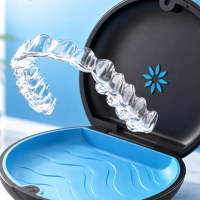
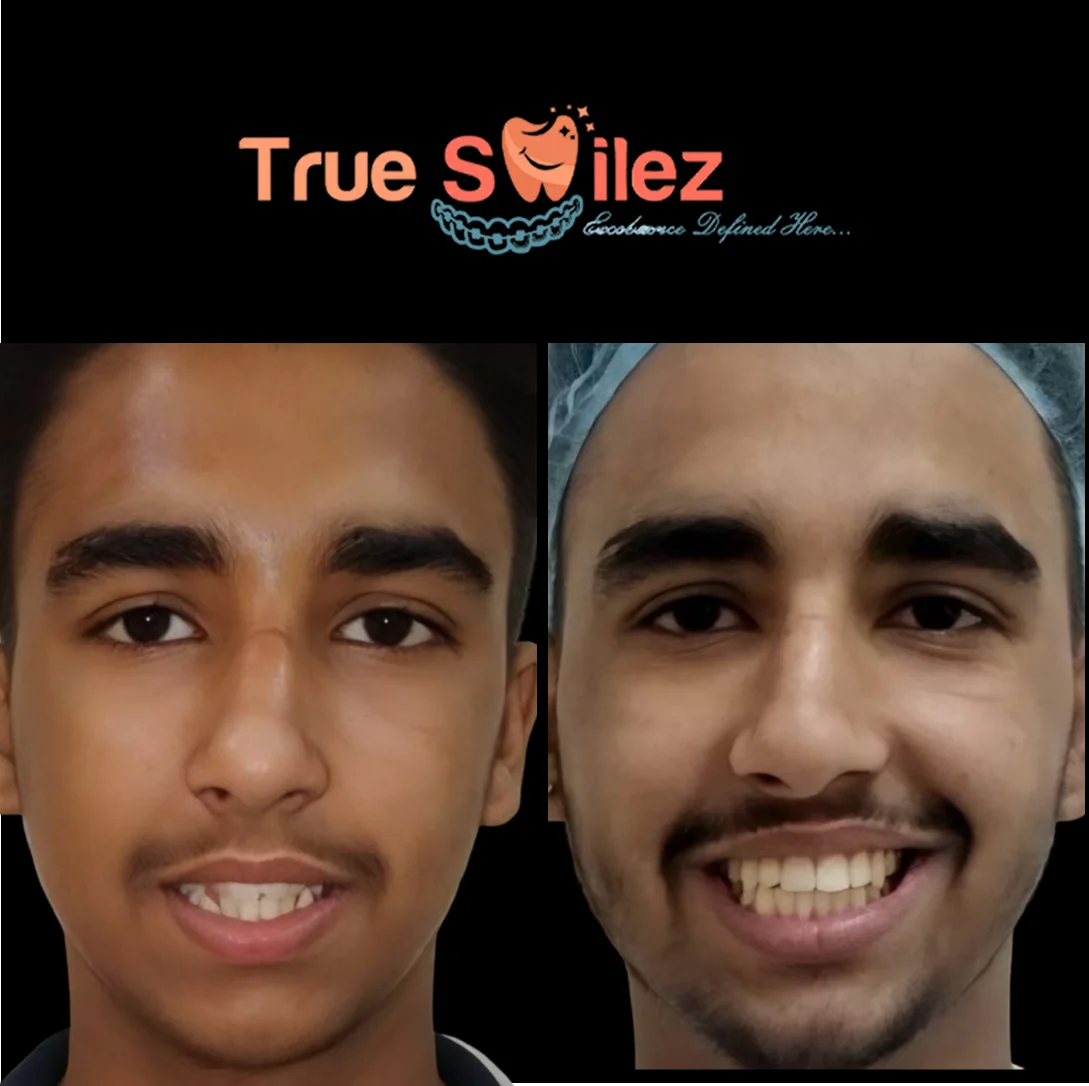
Teeth whitening: Results can last anywhere from several months to a couple of years, depending on your diet, whether you smoke, and how well you maintain the results with good oral hygiene and touch-up treatments. If your teeth alignment is affecting how even your smile looks even after whitening, our Invisalign and clear aligners page covers straightening options too.
Are Both Treatments Safe?
Yes, when done by a qualified dental professional. Teeth cleaning is a routine, non-invasive procedure suitable for almost everyone. Teeth whitening is also safe when supervised by a dentist, who will assess your enamel condition and any existing sensitivity before recommending a concentration and method suited to you. Over-the-counter whitening products used without guidance can sometimes cause sensitivity or uneven results, which is why a professional consultation is recommended.
Frequently Asked Questions
1. Is teeth whitening the same as teeth cleaning?
No. Cleaning removes plaque and tartar for oral health, while whitening is a cosmetic treatment that lightens the overall shade of your teeth.
2. Will teeth cleaning make my teeth whiter?
It can remove some surface stains and make teeth look fresher, but it won’t change the natural shade of your teeth the way whitening does.
3. How often should I get a professional teeth cleaning?
Most dentists recommend a cleaning every 6 months as part of routine oral care.
4. Does teeth whitening damage enamel?
When done under professional supervision with the right concentration and duration, whitening is generally safe for enamel. Overuse of unsupervised products can cause sensitivity.
5. Can I whiten my teeth without a cleaning first?
It’s possible, but results are usually less even and effective if plaque or tartar is still present. Cleaning first is recommended for the best outcome.
6. How can I remove teeth stains at home?
Good brushing habits, limiting staining foods and drinks, and using a dentist-recommended toothpaste can help manage surface stains, but for visible or long-standing stains, professional treatment gives better results.
7. Is scaling and polishing painful?
Most patients feel little to no discomfort. Some mild sensitivity is possible, especially if there’s significant tartar buildup or sensitive gums.
Final Thoughts
Teeth cleaning vs teeth whitening isn’t really an either-or choice — they solve different problems. Cleaning is about oral health and removing what brushing misses; whitening is about cosmetically brightening your smile. If your teeth look dull or stained, start with a cleaning, and add whitening if you still want a noticeably brighter shade.
Not sure which one you need? Book a consultation and let your dentist assess your teeth before recommending the right treatment.