

You’ve had your teeth whitened and your smile looks noticeably brighter — but how long will it actually stay that way? The honest answer depends on the method used, your lifestyle habits, and how well you maintain your results afterward.
This guide covers how long does teeth whitening last, what affects the results, and how to make your bright smile last longer.
How Long Does Teeth Whitening Last?
On average, professional teeth whitening results last anywhere from 6 months to 2–3 years, depending on the treatment method and how you care for your teeth afterward. In-clinic whitening tends to give more dramatic, longer-lasting results compared to at-home kits, but no whitening treatment is permanent — staining gradually returns as you eat, drink and age.
What Affects How Long Your Results Last
1. Whitening Method Used
- In-clinic professional whitening: Uses stronger, dentist-applied bleaching agents, giving faster and typically longer-lasting teeth whitening results
- At-home custom trays: Milder gel used over consecutive days, effective but may need more frequent touch-ups
- Over-the-counter strips or kits: Usually the shortest-lasting and least predictable results
2. Diet and Lifestyle Habits
Foods and drinks that stain teeth will shorten how long whitening lasts. Common culprits include:
- Coffee and tea
- Red wine
- Dark sauces (soy sauce, curry, tomato-based sauces)
- Tobacco and smoking
- Sugary, dark-coloured beverages
3. Oral Hygiene Routine
Regular brushing, flossing and periodic professional cleaning help slow down new staining and preserve your whitening results for longer.
4. Natural Tooth Porosity
Everyone’s enamel is slightly different. Some people’s teeth are naturally more porous and pick up stains faster, meaning they may need touch-ups sooner than others.
5. Age
Enamel thins naturally with age, revealing more of the yellowish dentin underneath, which can make whitening results fade a bit faster over time.
Professional Teeth Whitening vs At-Home Whitening
| Factor | Professional Whitening | At-Home Kits |
|---|---|---|
| Speed of results | Faster, often in one sitting | Gradual, over days to weeks |
| Strength | Higher-strength, dentist-supervised | Milder concentration |
| Longevity | Longer-lasting | Shorter-lasting, needs frequent touch-ups |
| Safety | Supervised for enamel and gum safety | Risk of sensitivity if misused |
| Cost | Higher upfront | Lower upfront, but repeat purchases add up |
How to Whiten Teeth the Right Way
If you’re wondering how to whiten teeth effectively and safely, here’s the general process for professional whitening:
- Consultation: Your dentist checks for cavities, sensitivity or gum issues before starting
- Cleaning first: A scaling and polishing session is usually done beforehand so the whitening gel works evenly
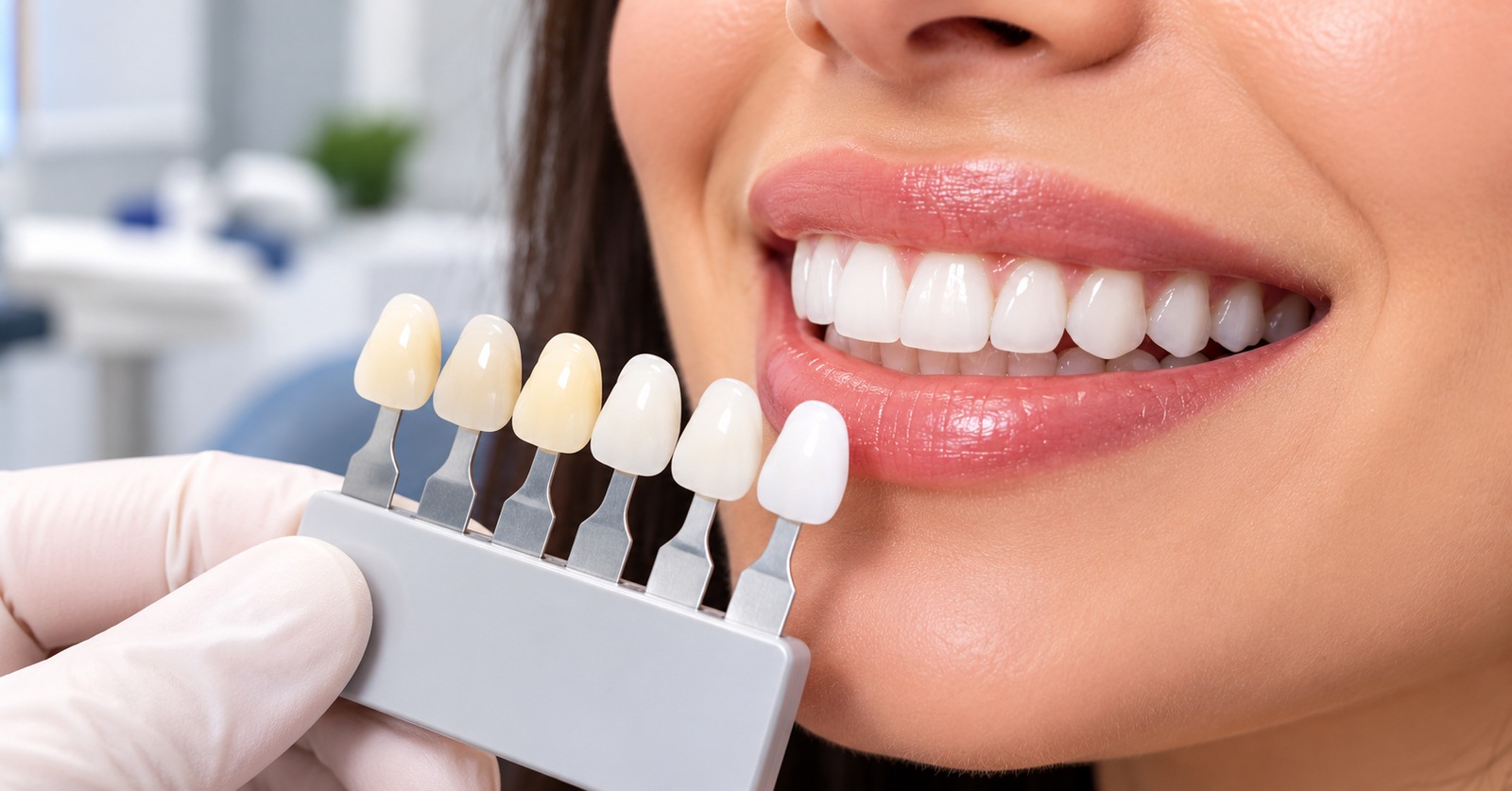
- Shade assessment: Your current tooth shade is recorded to track results
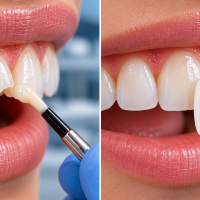
- Whitening application: Gel is applied and activated (with light/heat in-clinic, or via trays at home)
- Aftercare guidance: You’ll get instructions on foods to avoid and how to maintain results
Skipping the cleaning step or attempting strong bleaching agents without supervision can lead to uneven results or sensitivity.
Teeth Whitening Before and After: What Changes to Expect
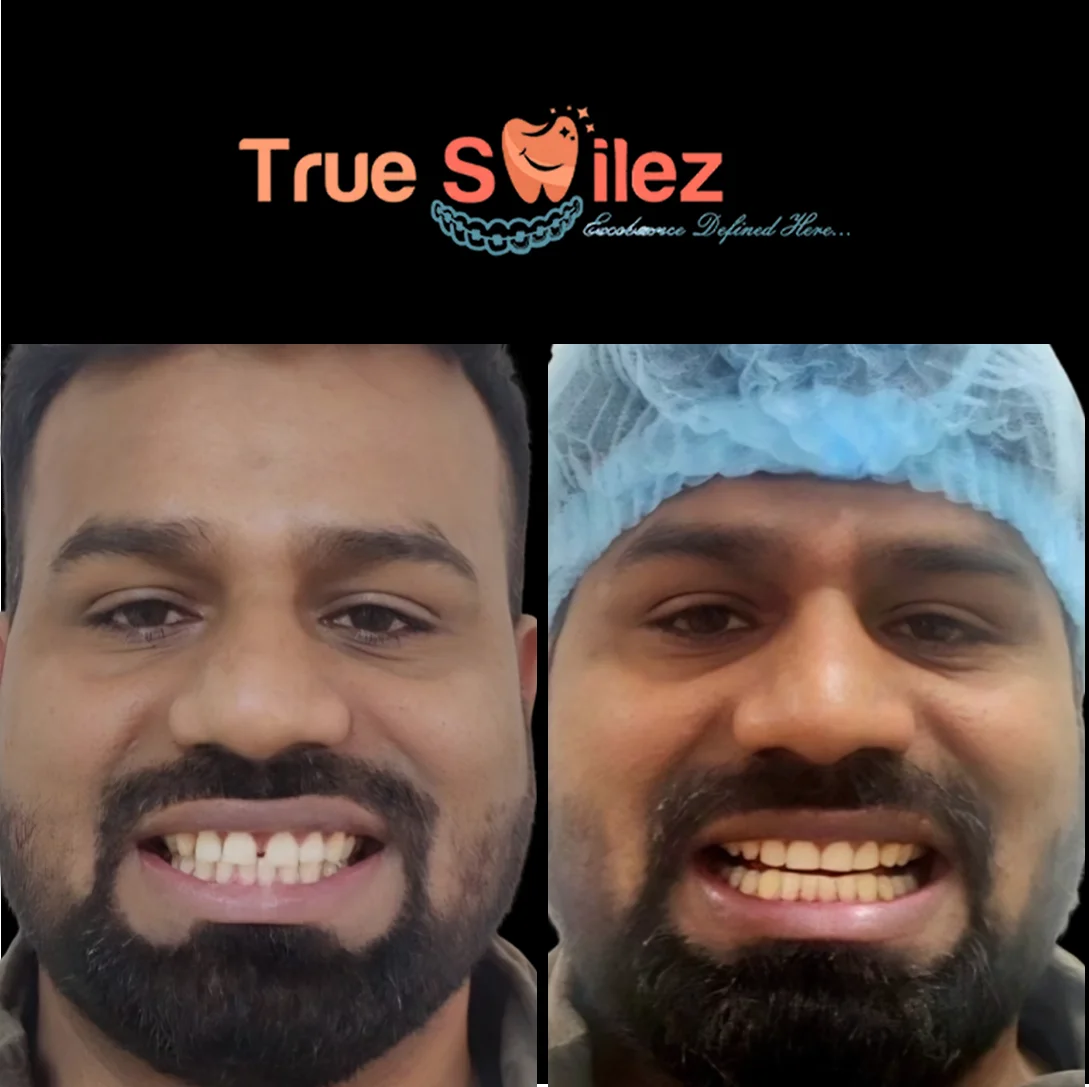
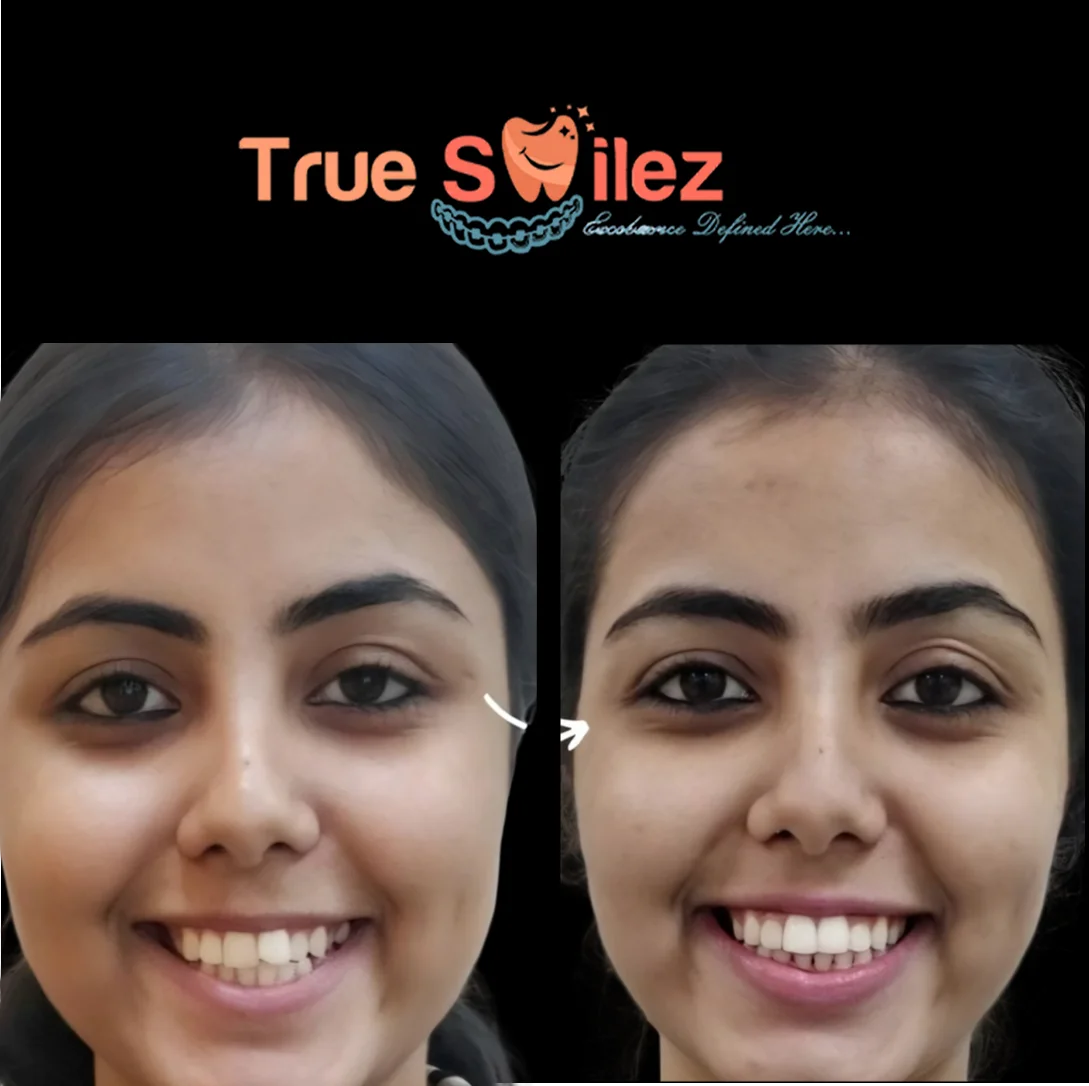
Most patients notice a visible shade improvement, often several shades lighter, immediately after an in-clinic session. Teeth whitening before and after comparisons typically show the biggest difference right after treatment, with results gradually settling over the following days as any temporary dehydration of the tooth (which can make it look slightly whiter initially) evens out.
Results vary by starting shade and the cause of discolouration — surface stains from food and drink respond better than deep, medication-related staining.
How to Make Your Whitening Results Last Longer
- Follow the “white diet” for the first 48 hours — avoid staining foods and drinks right after treatment when teeth are most porous
- Use a straw for coloured beverages to reduce contact with front teeth
- Rinse or brush after staining foods rather than letting them sit
- Avoid tobacco, which stains quickly and deeply
- Get regular professional cleanings every 6 months to remove surface stains before they set in
- Consider periodic touch-up treatments or a maintenance kit recommended by your dentist
Teeth Whitening Cost and Value Over Time
Teeth whitening cost varies depending on whether you choose in-clinic treatment, custom trays or over-the-counter products. While in-clinic whitening has a higher upfront cost, it often works out better value over time due to longer-lasting, more even results and professional supervision. At-home and OTC options are cheaper per use but may need to be repeated more often to maintain the same brightness.
Is Teeth Whitening Safe for Everyone?
Whitening is generally safe when done under professional guidance, but it isn’t ideal for everyone. Your dentist may recommend addressing other concerns first if you have:
- Untreated cavities or gum disease
- Significant tooth sensitivity
- Existing crowns, veneers or fillings on front teeth (these don’t whiten the same way as natural enamel)
A dental check-up before whitening ensures the treatment is both safe and effective for your specific case. If your smile concerns go beyond just shade, it’s also worth exploring veneers and smile designing as a longer-term option.
Frequently Asked Questions
1. How long does teeth whitening last on average?
Most results last between 6 months and 2–3 years, depending on the method used and how well you maintain your results afterward.
2. Does professional teeth whitening last longer than at-home kits?
Yes, generally. Professional whitening uses stronger, supervised treatments that tend to produce more even and longer-lasting results compared to over-the-counter options.
3. Can I make my teeth whitening results last longer?
Yes — avoiding staining foods and drinks, maintaining good oral hygiene, and getting regular professional cleanings all help extend your results.
4. Why do my teeth whiten and then get yellow again quickly?
This is usually due to diet (coffee, tea, tobacco), natural tooth porosity, or skipping post-whitening care guidelines like the “white diet” in the first 48 hours.
5. Is it normal for teeth to look slightly different a few days after whitening?
Yes. Results can look extremely bright immediately after treatment due to temporary dehydration of the tooth, then settle to a slightly more natural (but still brighter) shade over the following days.
6. How much does professional teeth whitening cost?
Cost varies by clinic and method used. It’s best to get a consultation for an accurate quote based on your specific case.
7. Can whitening damage my teeth?
When done under professional supervision, whitening is safe for most people. Overuse of unsupervised products or ignoring existing dental issues can cause sensitivity or uneven results.
Final Thoughts
How long does teeth whitening last ultimately comes down to the method you choose and how you care for your teeth afterward. Professional treatments tend to last longer and look more natural, especially when paired with good oral hygiene and mindful eating habits. For the best and longest-lasting results, always start with a proper consultation and, if needed, a cleaning beforehand.
Ready for a brighter smile? Book a professional teeth whitening consultation and get a treatment plan suited to your teeth.