

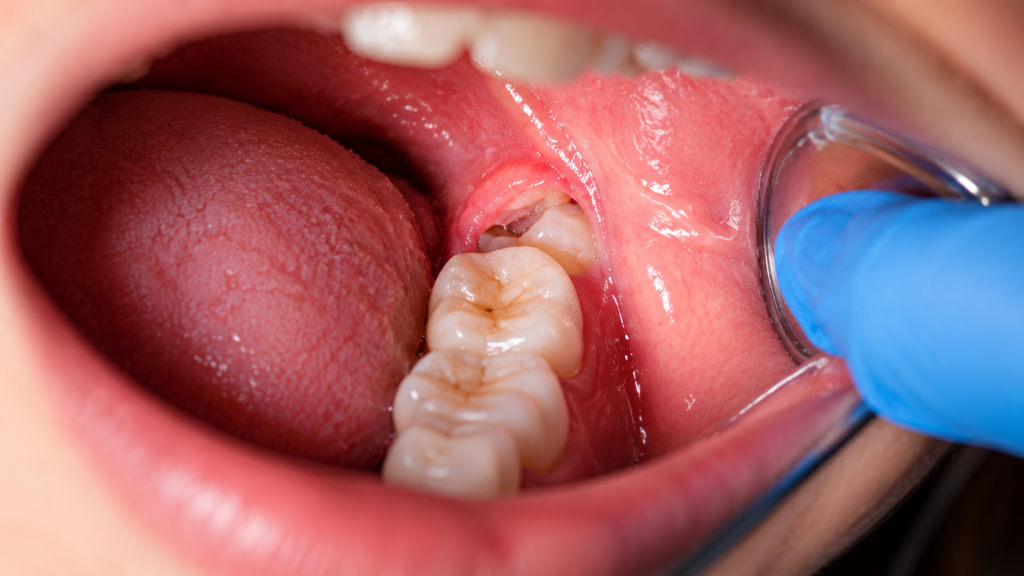
If you have a dull ache at the back of your jaw, swollen gums or trouble opening your mouth fully, your wisdom teeth may be the reason. Many people are nervous about wisdom tooth removal, mostly because of worries about pain and recovery. The good news is that with modern techniques and the right aftercare, it is a routine procedure that most people recover from comfortably.
This guide explains why wisdom teeth cause problems, what the procedure involves, how long recovery takes, and how to look after yourself afterwards.
What Are Wisdom Teeth?
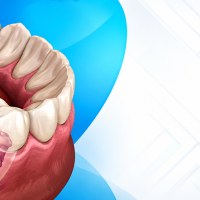
Wisdom teeth are the third set of molars, usually appearing between the ages of 17 and 25 at the very back of your mouth. Most people have four, one in each corner, though some have fewer and some have none at all.
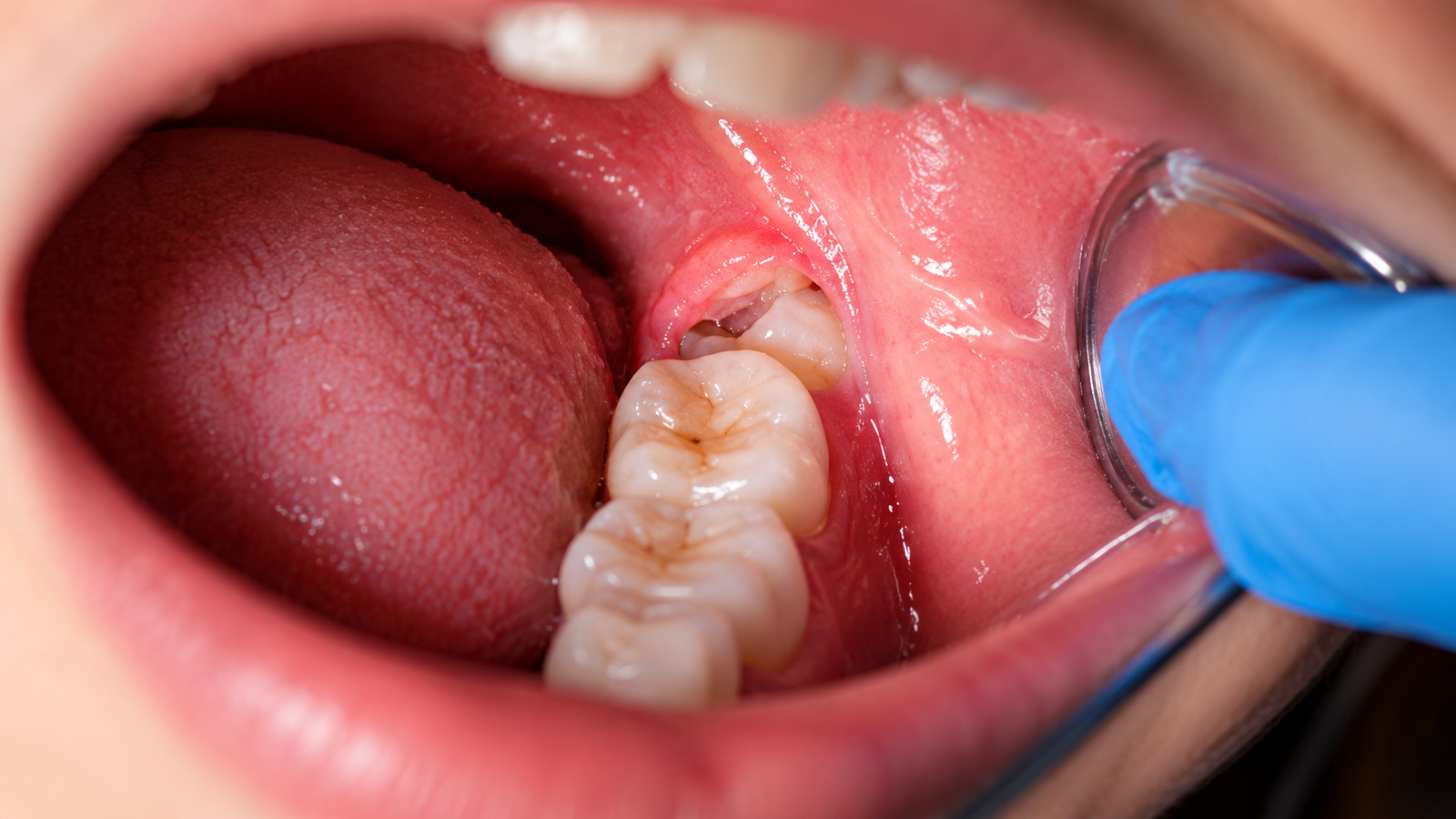
The problem is space. Many jaws are not big enough to fit them, so they can come in at an angle, only partly emerge, or stay stuck beneath the gum.
Common Signs of Wisdom Tooth Pain
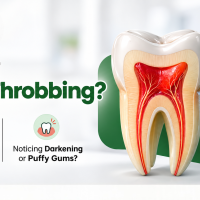
Wisdom tooth pain often comes and goes at first, then becomes more frequent. Watch for:
- Aching or throbbing at the back of the jaw
- Red, swollen or tender gums around the back teeth
- Pain when chewing or biting
- Bad taste or bad breath that does not go away
- Difficulty opening your mouth fully
- Headaches or jaw stiffness
- Crowding or shifting of nearby teeth
These signs do not always mean the tooth must come out, but they are a good reason to get it checked.
What Is an Impacted Wisdom Tooth?
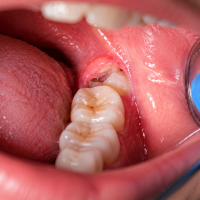
An impacted wisdom tooth is one that cannot fully emerge through the gum because it is blocked by the neighbouring tooth or the jawbone. It may be tilted forward, tilted backward, lying sideways or trapped completely under the gum.
Impacted teeth are harder to clean, which can lead to repeated infection, gum swelling and damage to the tooth in front. An X-ray helps your dentist see exactly how the tooth is positioned and plan the safest approach.
When Does a Wisdom Tooth Need to Be Removed?
Not every wisdom tooth needs to go. Your dentist may recommend removal if the tooth is:
- Impacted and causing pain or repeated infection
- Decaying or damaging the neighbouring tooth
- Pushing against other teeth and causing crowding
- Hard to clean because of its position
- Causing recurring gum swelling around it
If a wisdom tooth is healthy, properly positioned and easy to keep clean, your dentist may simply monitor it.
The Wisdom Tooth Removal Procedure
Here is what typically happens, step by step:
- Examination and X-ray: Your dentist checks the position of the tooth, the roots and nearby structures.
- Anaesthesia: The area is numbed with local anaesthesia so you do not feel pain during the procedure. Other options may be discussed for anxious patients or complex cases.
- Removal: For a fully erupted tooth, it is loosened and lifted out. For an impacted tooth, a small opening in the gum may be needed, and the tooth may be sectioned into pieces for easier removal.
- Cleaning and closing: The area is cleaned and, if needed, closed with stitches.
- Aftercare instructions: You are given clear guidance on what to do next.
A simple extraction can take a short while, while impacted teeth may take longer. Your dentist will tell you what to expect in your case.
Is Wisdom Tooth Removal Painful?
During the procedure, you should feel pressure but not pain, because the area is numb. Afterwards, some soreness, swelling and tenderness are normal as the anaesthesia wears off, and these are usually manageable with the medicines your dentist prescribes. Discomfort tends to be worst in the first couple of days and then improves steadily.
Wisdom Tooth Recovery: What to Expect
Wisdom tooth recovery varies from person to person, but a general timeline looks like this:
| Time after surgery | What to expect |
|---|---|
| First 24 hours | Some bleeding or oozing, numbness fading, mild to moderate soreness |
| Days 2 to 3 | Swelling and tenderness often peak, then begin to settle |
| Days 4 to 7 | Pain and swelling reduce noticeably, eating becomes easier |
| 1 to 2 weeks | Most people feel back to normal; stitches, if any, are removed or dissolve |
| A few weeks | The gum continues healing and the socket fills in gradually |
Simple extractions often heal faster than impacted ones. Most people can return to light daily activities within a few days, but your dentist will advise based on your case.
Aftercare Tips for a Smooth Recovery
What you do in the first few days makes a big difference.
Do:
- Bite gently on the gauze as advised to help the clot form
- Apply a cold compress to the cheek in the first day to reduce swelling
- Take medicines exactly as prescribed
- Eat soft, cool foods such as curd, khichdi, soups and mashed fruit
- Keep your head slightly raised when resting
- Rinse gently with warm salt water after the first day, as advised
- Brush your other teeth normally, and be gentle near the area
Avoid:
- Spitting forcefully, rinsing hard or using a straw for the first few days
- Smoking or chewing tobacco, which slows healing
- Hot, spicy, crunchy or very hard foods
- Touching the area with your tongue or fingers
- Heavy exercise for a few days
What Is Dry Socket and How Can You Avoid It?
A blood clot forms in the socket after extraction and protects the healing area. If it is dislodged too early, the bone underneath can become exposed, causing a painful condition called dry socket. It usually shows up a few days after the procedure as increasing pain rather than easing pain.
You can lower the risk by avoiding straws, smoking and vigorous rinsing, and by following your dentist’s instructions. If your pain gets worse instead of better after a few days, contact your dentist so it can be treated.
When to Call Your Dentist
Contact your dentist if you notice:
- Bleeding that does not slow down despite gentle pressure
- Pain that increases after the first few days
- Swelling that keeps getting worse
- Fever or a bad taste that persists
- Difficulty swallowing or breathing
Difficulty breathing or swallowing needs urgent attention.
Wisdom Tooth Extraction Cost
The wisdom tooth extraction cost depends on several factors rather than a single fixed figure:
- Whether the tooth is erupted or impacted
- How deeply and at what angle it is positioned
- How many teeth are being removed
- The type of anaesthesia used
- The need for X-rays or a 3D scan
- Follow-up visits and any medicines
Simple extractions generally cost less than surgical removal of impacted teeth. The most reliable way to know your cost is a consultation with an X-ray, after which your dentist can give a clear, itemised estimate.
Why Choose Professional Care for Wisdom Tooth Surgery in Mohali?
Wisdom tooth surgery sits close to important structures in the jaw, so careful planning matters. Choosing an experienced dentist means a proper X-ray assessment, a clear explanation of your options, sterile technique and detailed aftercare guidance. If you are looking for wisdom tooth surgery in Mohali, ask about the clinic’s approach to pain control, how they handle impacted teeth and what follow-up support you will get.
To see the other treatments we offer, visit our overview of expert dental solutions in Mohali. If a tooth cannot be saved or has been lost, dental implants in Mohali can be one way to restore your smile later.
Frequently Asked Questions
Is wisdom tooth removal painful? The area is numbed, so you should not feel pain during the procedure. Some soreness and swelling afterwards is normal and usually settles within a few days with proper care.
How long does wisdom tooth recovery take? Most people feel much better within a week and fully comfortable within one to two weeks, though complex or impacted cases may take longer.
Do all wisdom teeth need to be removed? No. Only teeth that are causing problems, or are likely to cause problems, usually need removal. Healthy, well-positioned teeth can often be left alone.
Can I go to work after wisdom tooth removal? Many people return to light work within a day or two, but it depends on your case and how you feel. Your dentist will guide you.
What can I eat after wisdom tooth surgery? Stick to soft, cool foods like curd, soups, khichdi, smoothies (without a straw) and mashed fruit for the first few days, then slowly return to your normal diet.
Can wisdom teeth grow back? No. Once a wisdom tooth is removed, it does not grow back.
How do I know if my wisdom tooth is impacted? Some impacted teeth cause no symptoms, so an X-ray is the only sure way to know. Pain, swelling and repeated gum problems at the back of the mouth are common clues.
What affects wisdom tooth extraction cost? The position of the tooth, whether it is impacted, the number of teeth, the anaesthesia used and follow-up care all play a part. A consultation and X-ray give you an accurate estimate.
Final Thoughts
Wisdom tooth removal sounds intimidating, but it is a common, well-understood procedure. With a proper X-ray assessment, a skilled dentist and good aftercare, most people recover smoothly and get relief from pain and infection.
If you have wisdom tooth pain or have been told you have an impacted tooth, book a consultation at TrueSmilez for a clear diagnosis, a personalised treatment plan and an itemised cost estimate.
Disclaimer: Recovery times and experiences vary from person to person. This article is for general information and is not a substitute for professional dental advice.