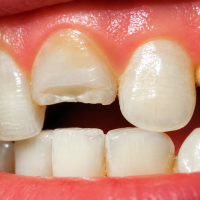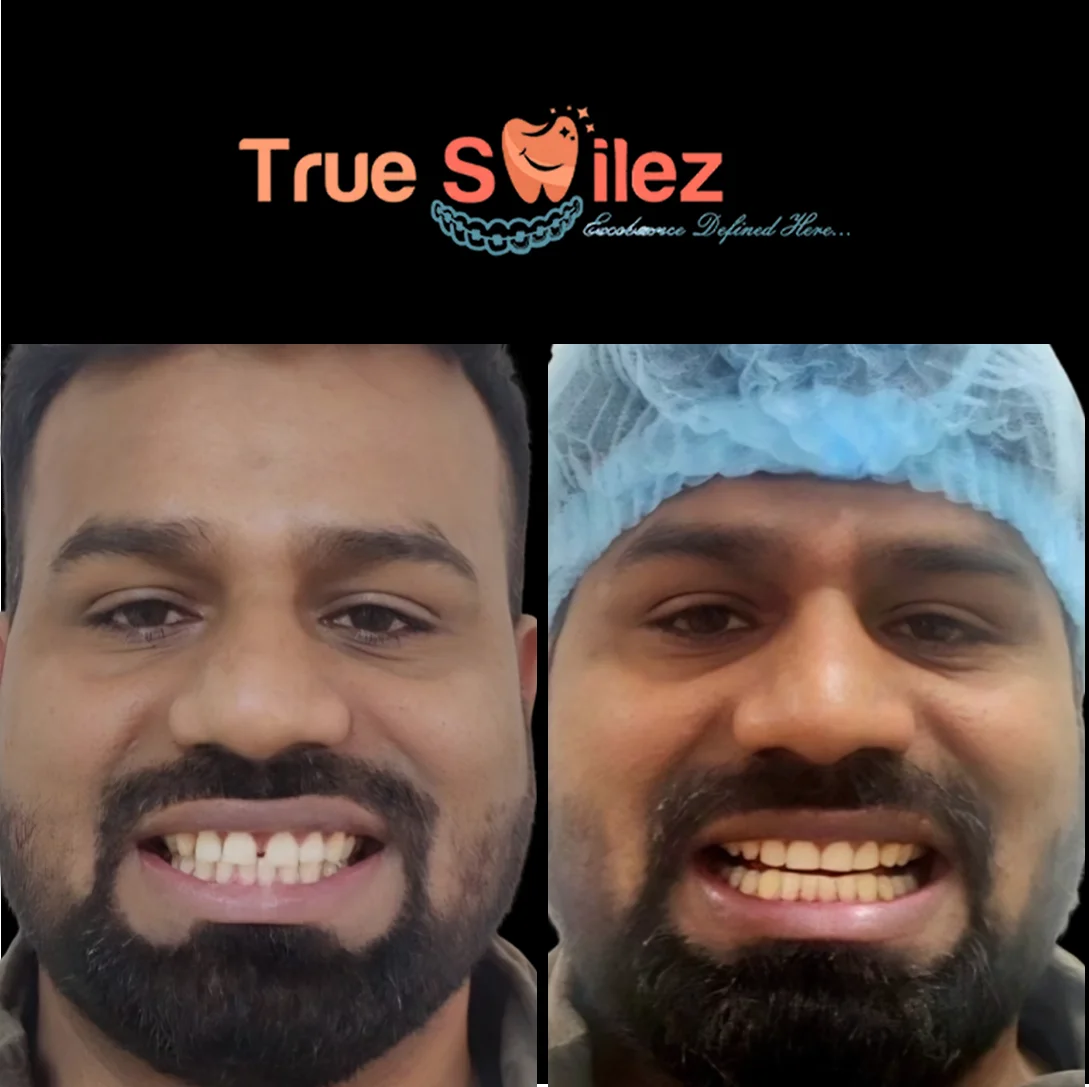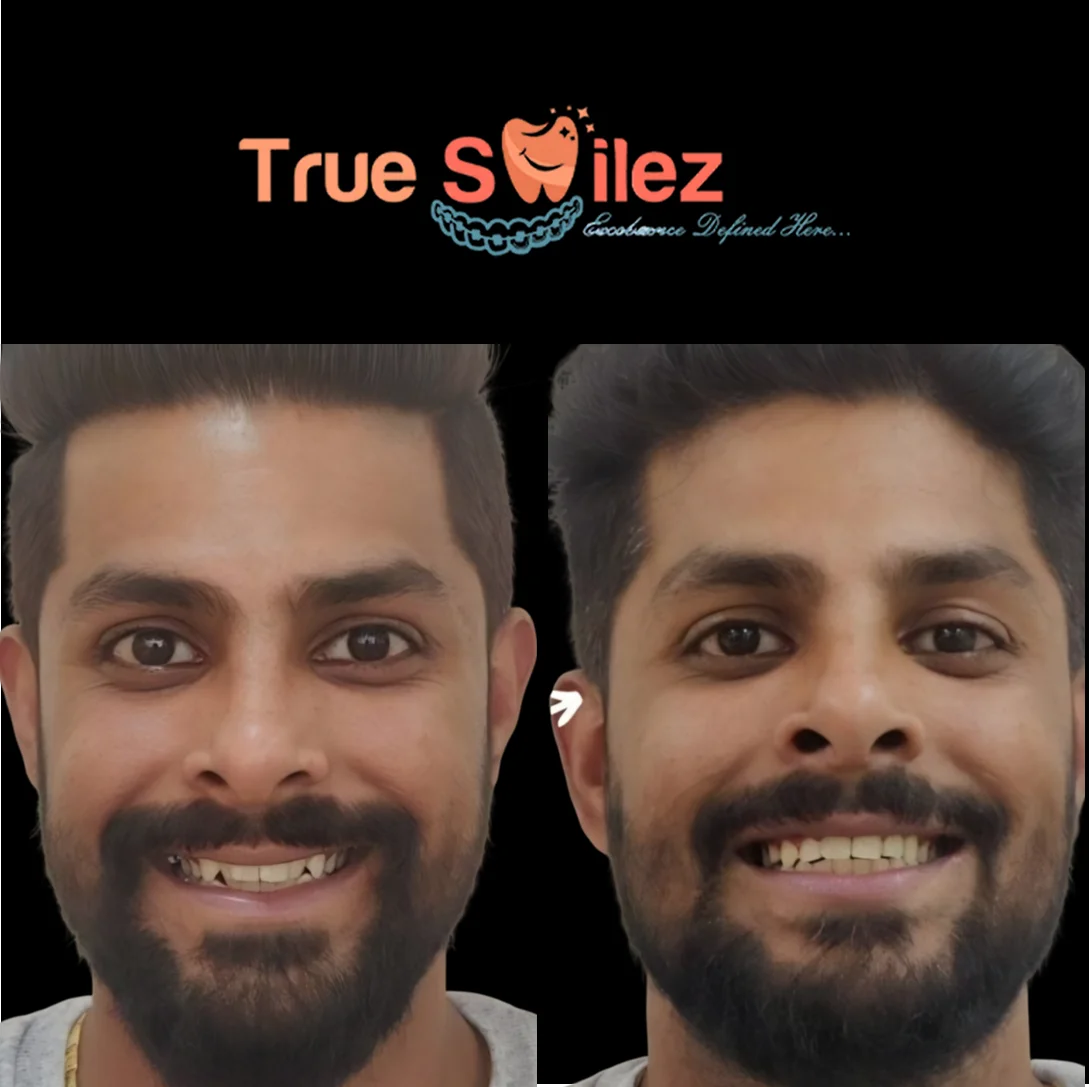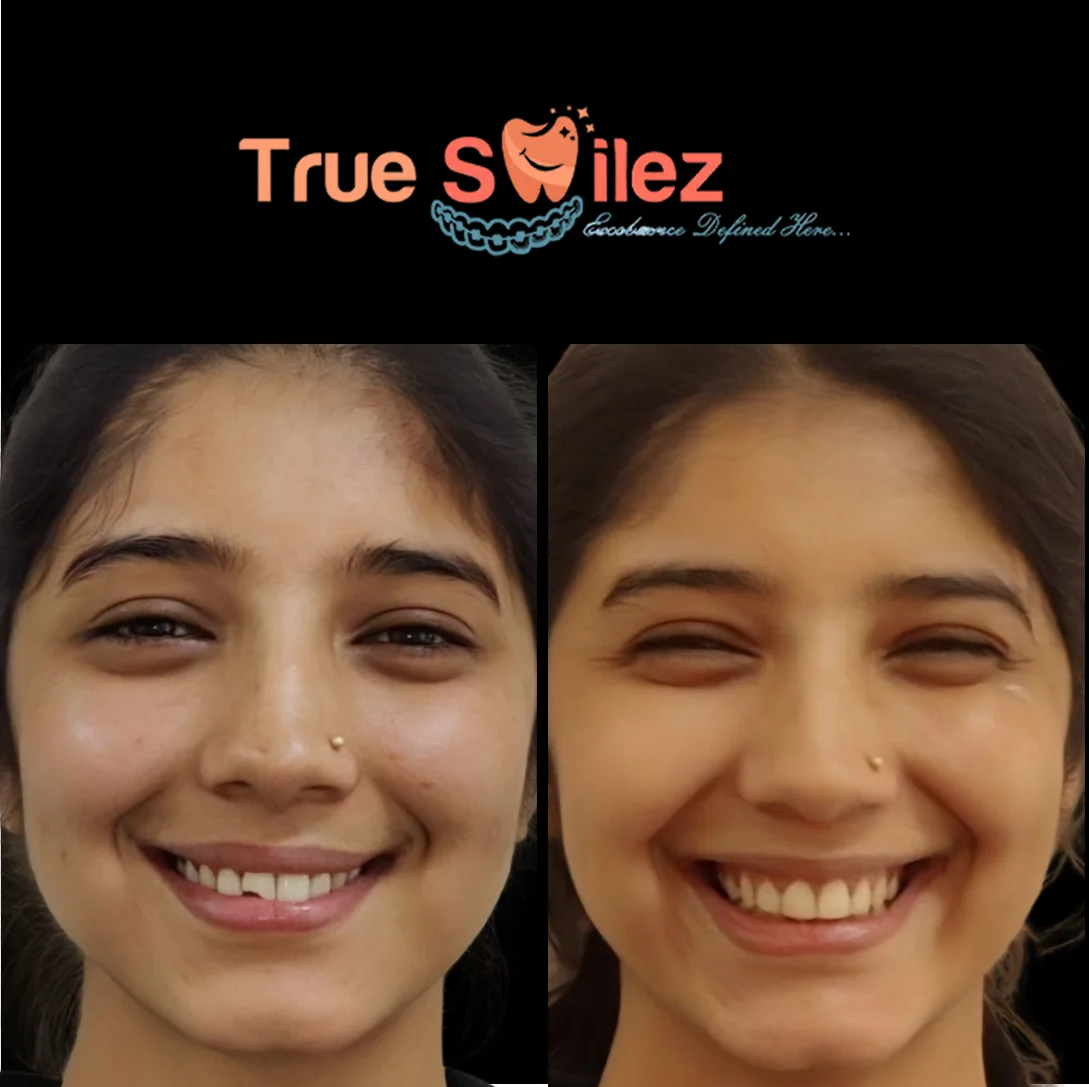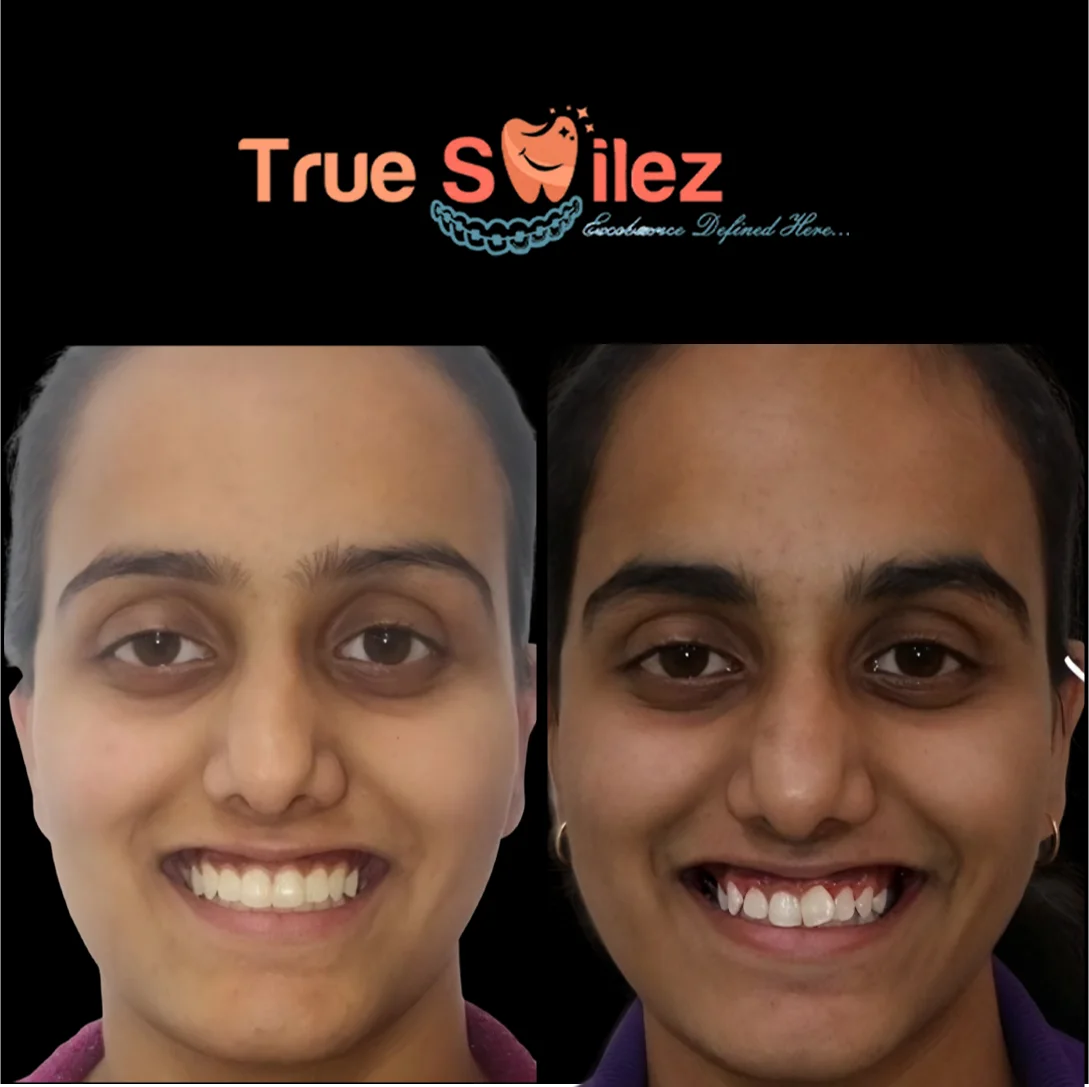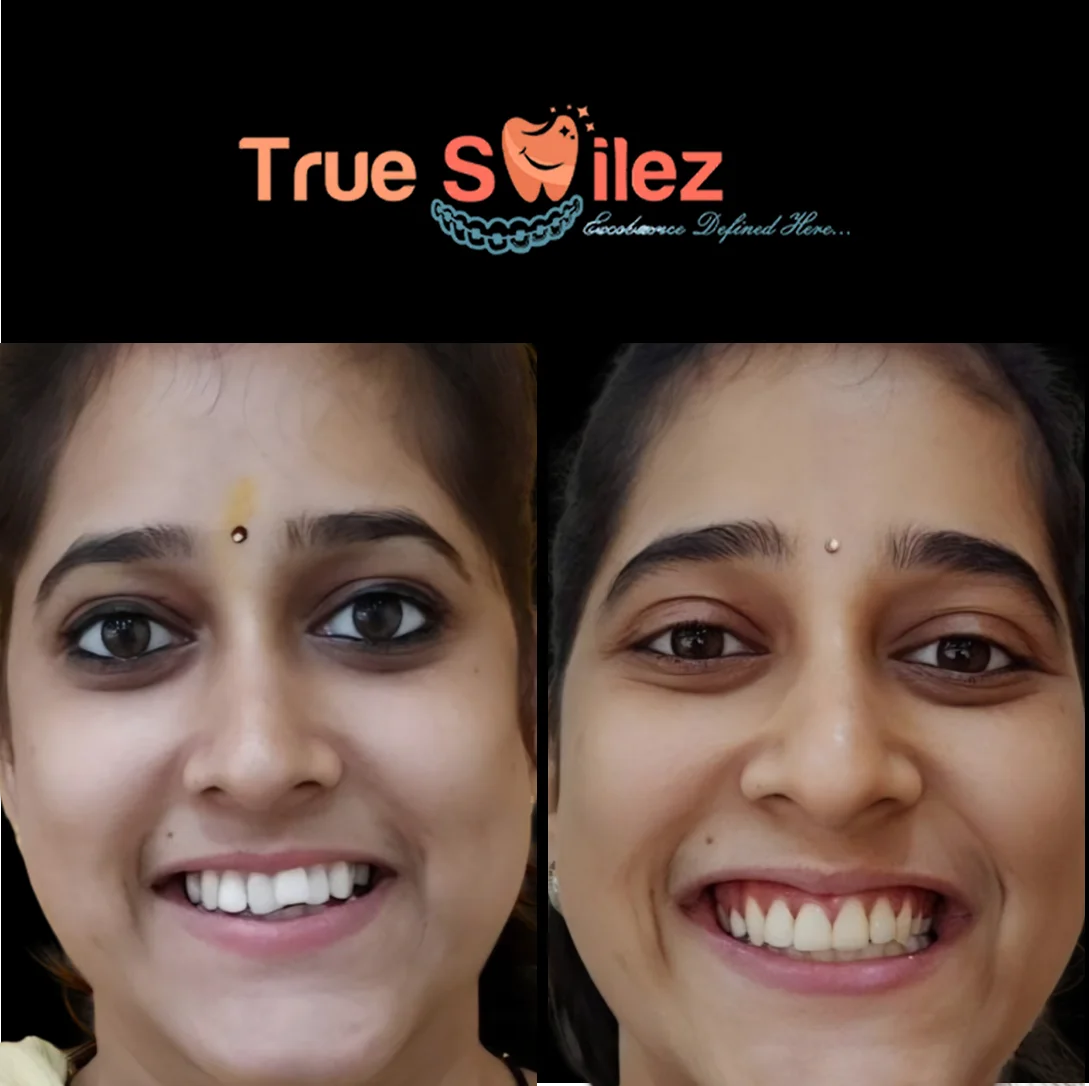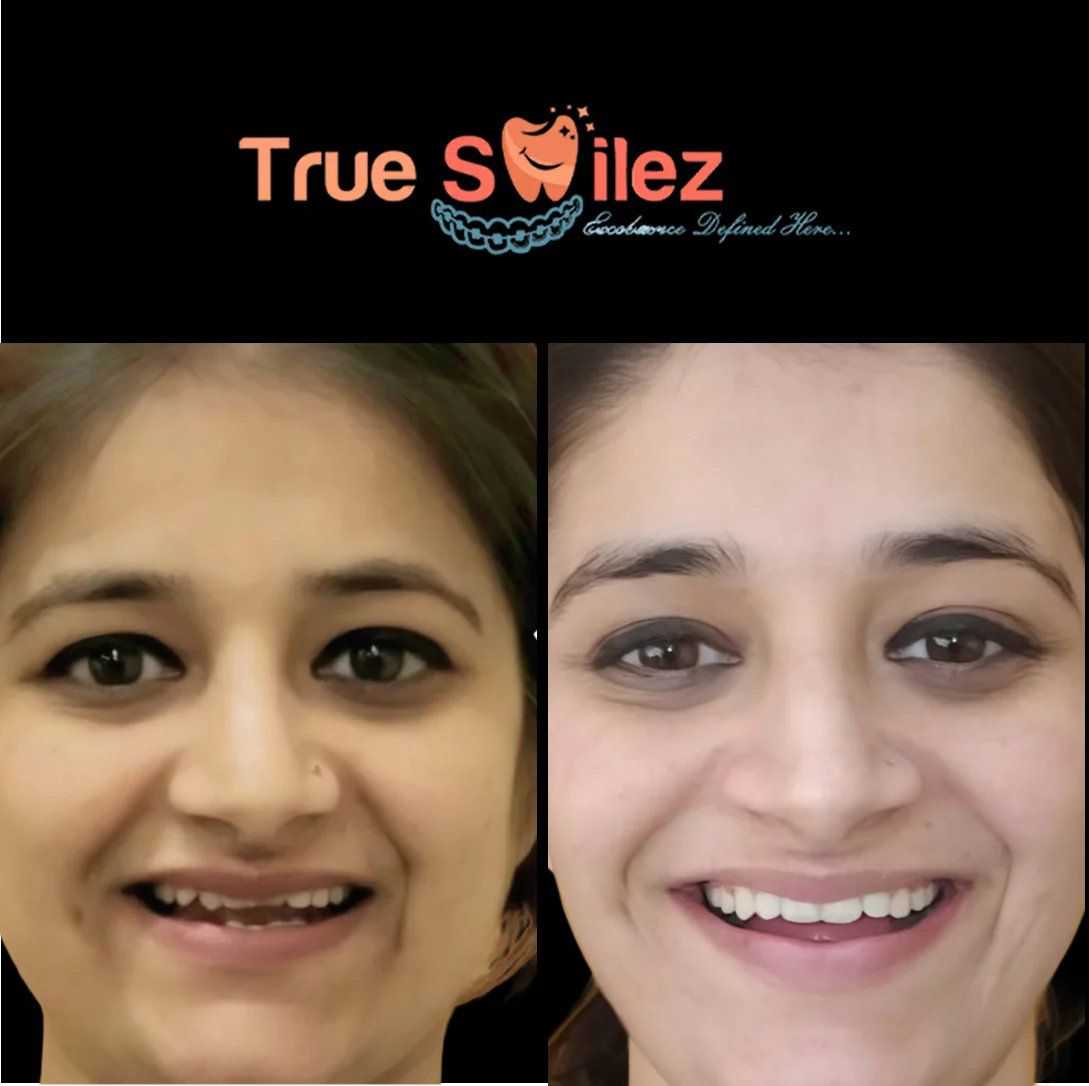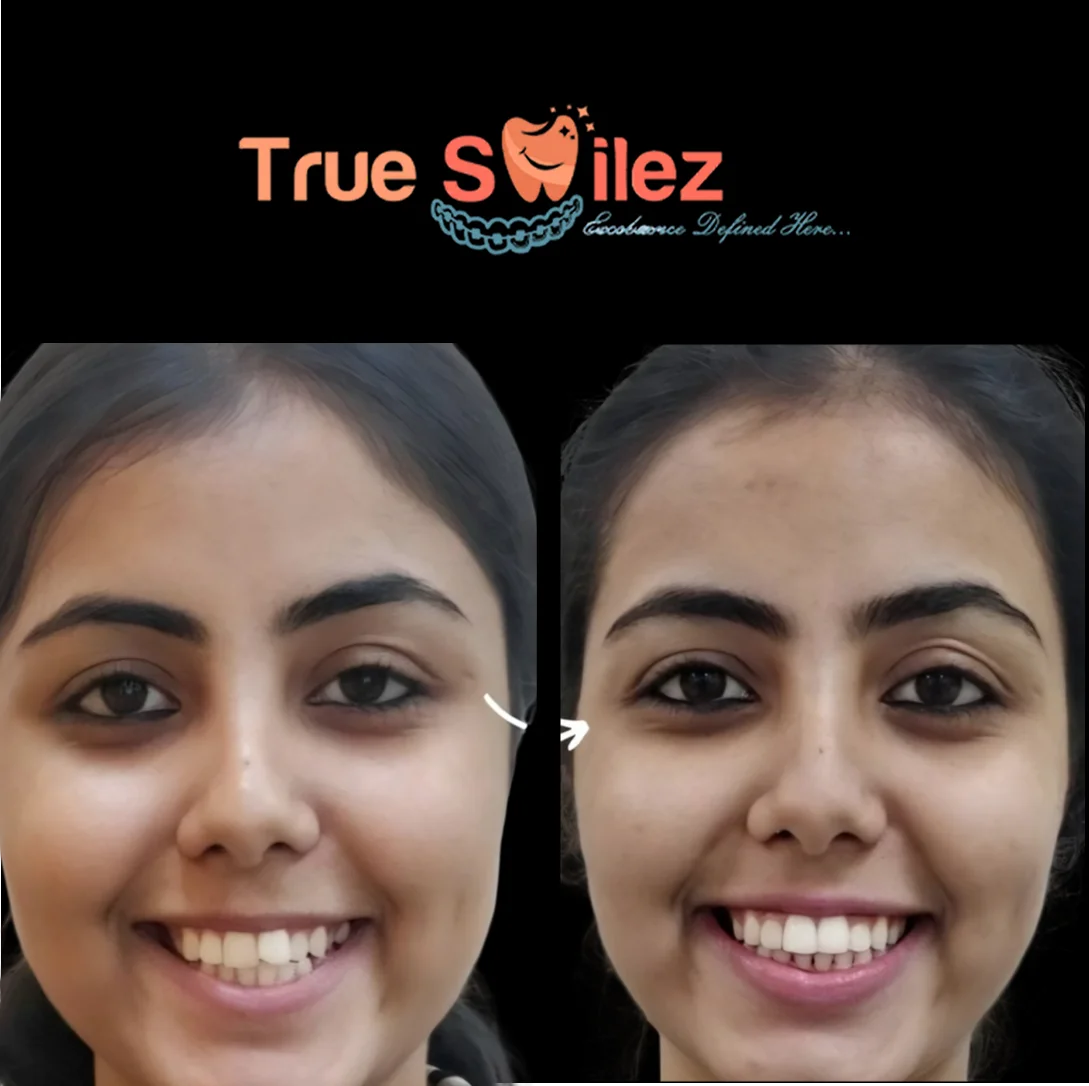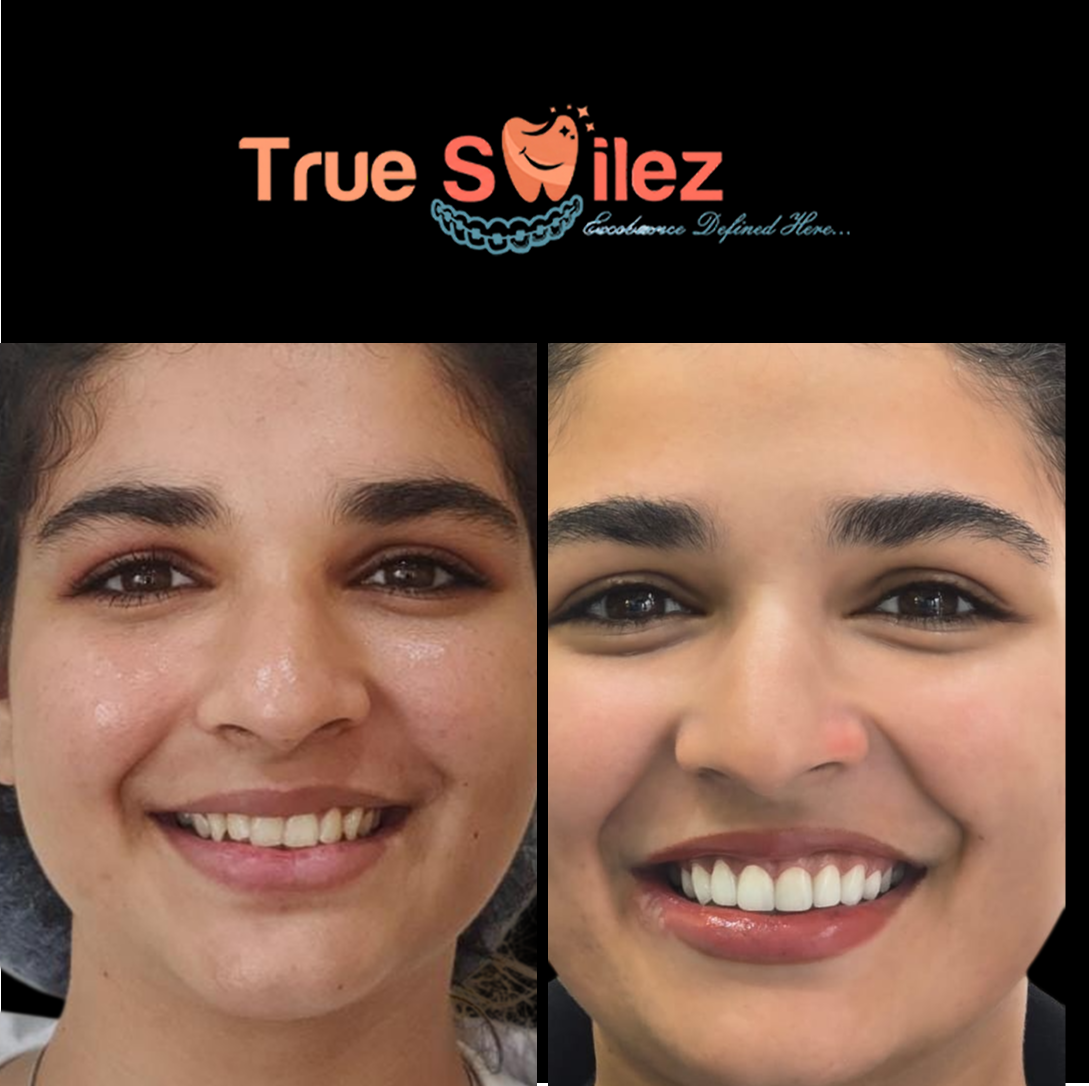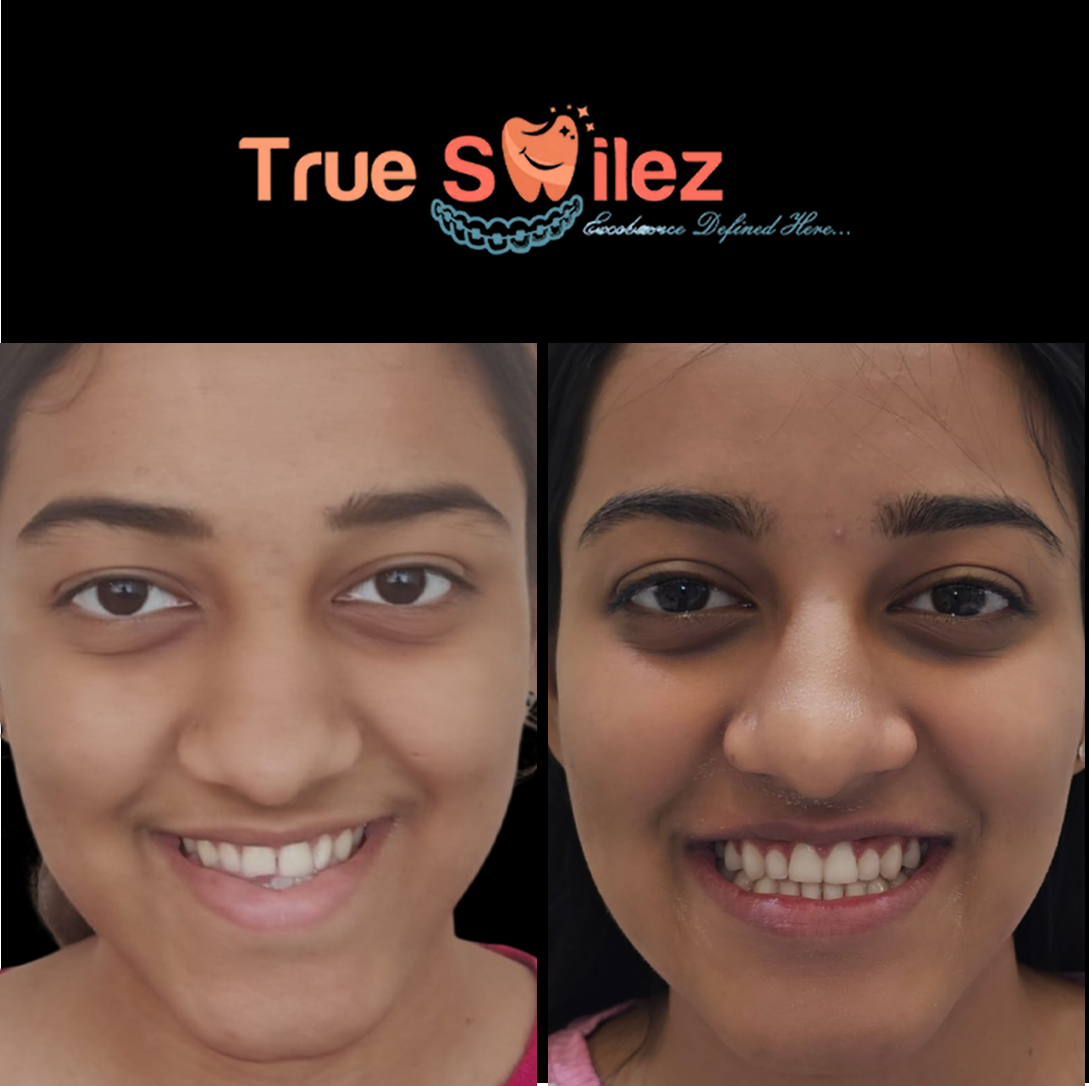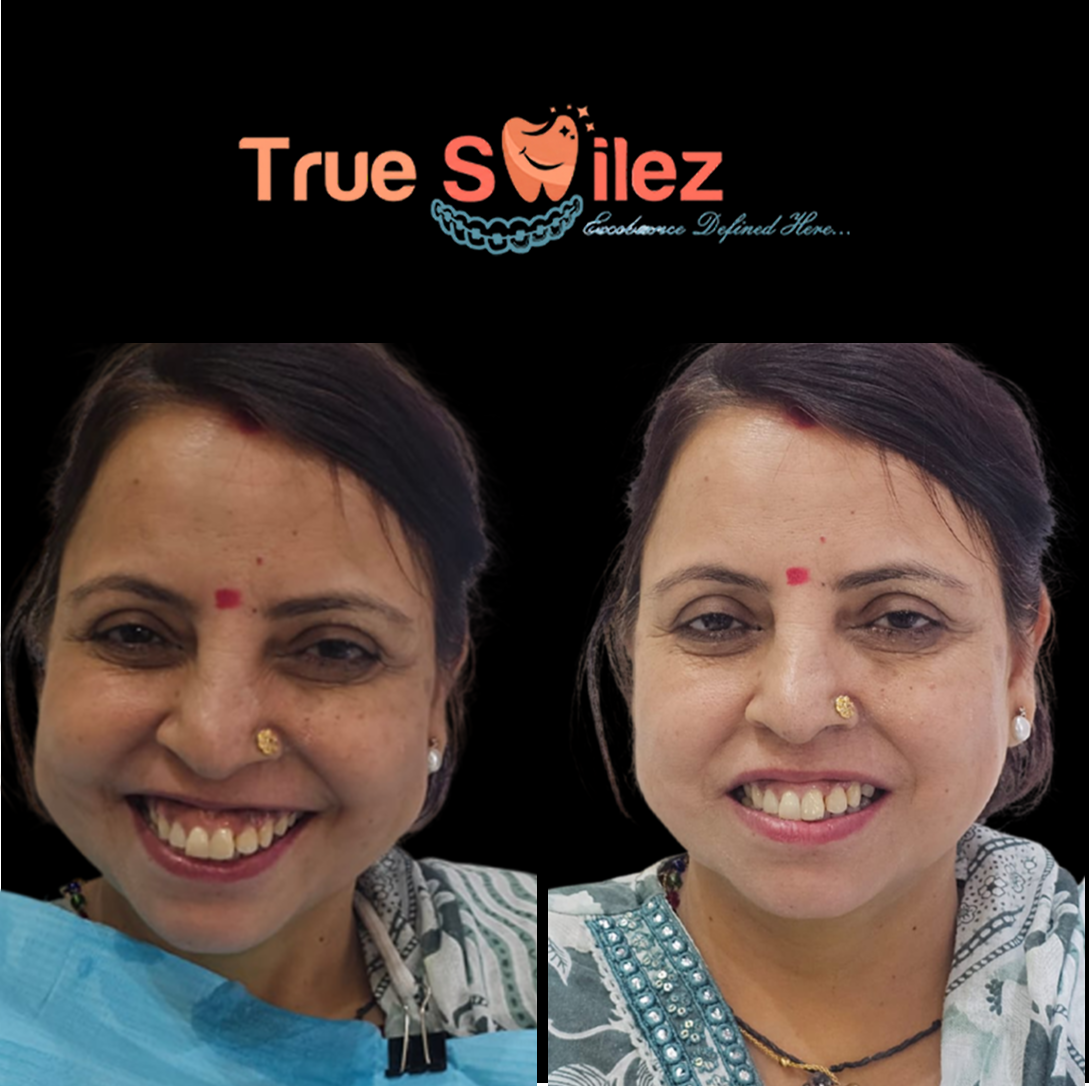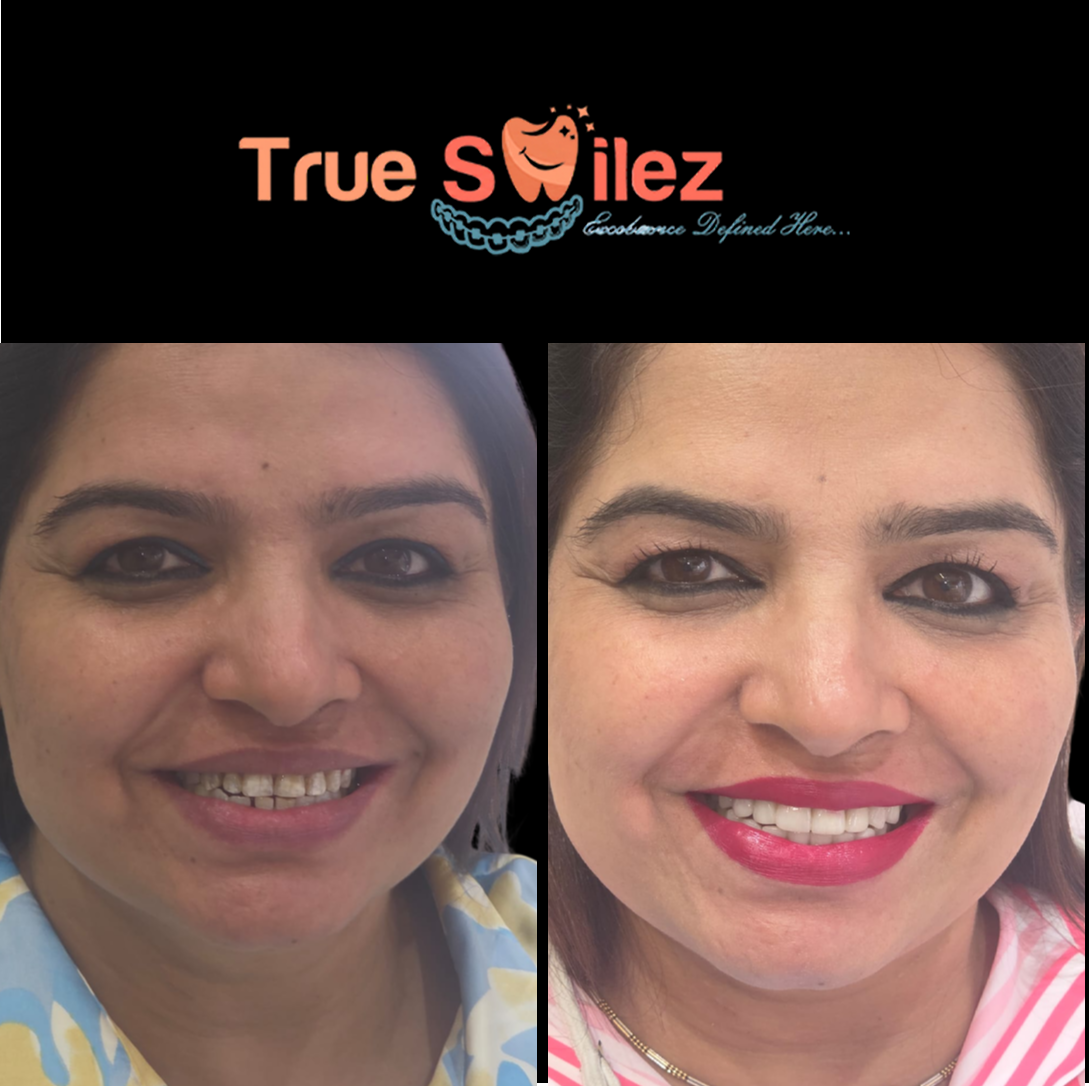


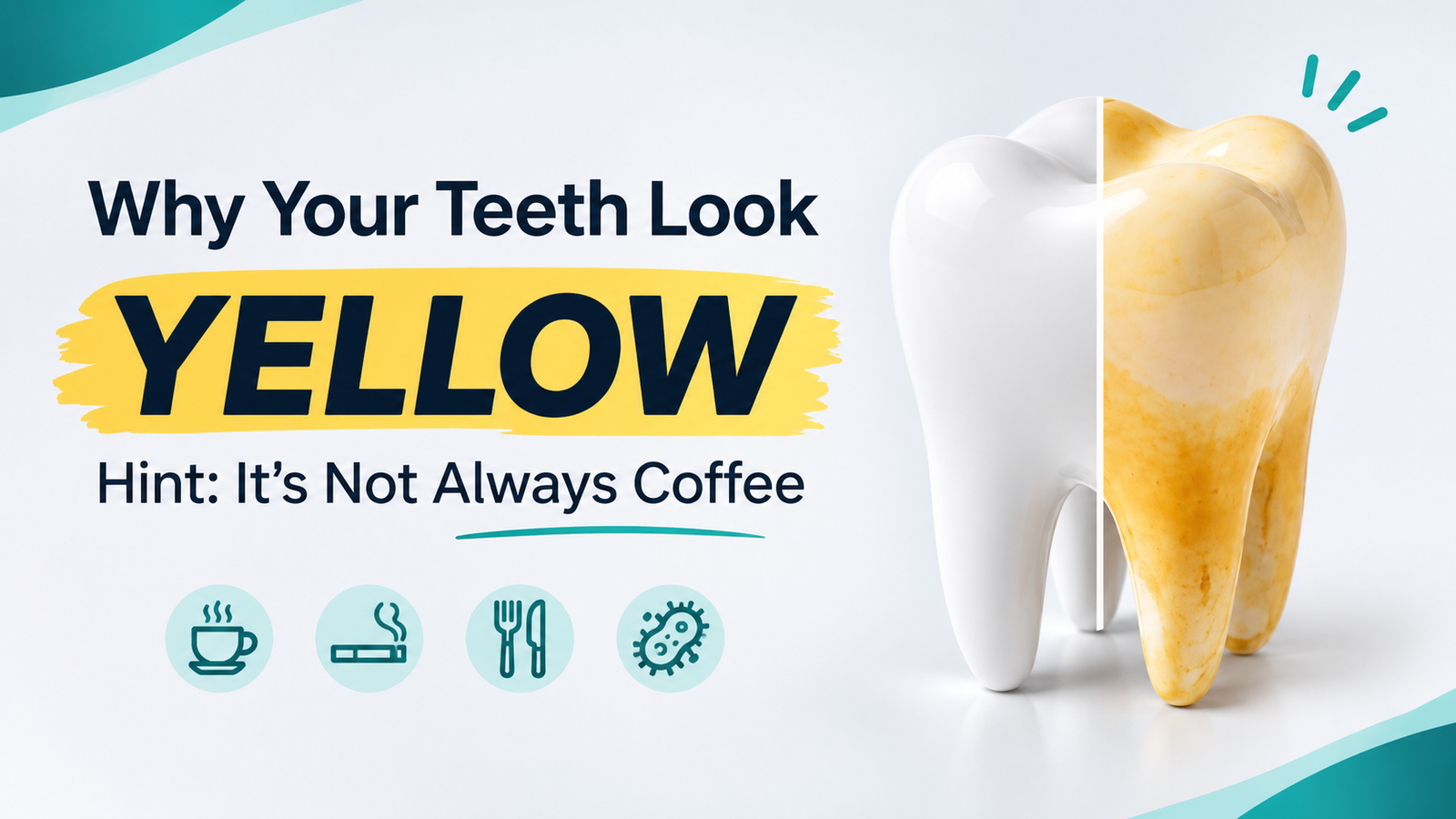
Teeth turn yellow for two broad reasons. Either stains build up on the surface (chai, coffee, tobacco, plaque), or the tooth itself changes colour from the inside (ageing, thinner enamel, certain medicines, an old injury). Surface stains usually respond well to a professional cleaning and whitening. Deeper discolouration needs a dentist to look at it first, because the right fix depends on the cause.
So, Why Are My Teeth Turning Yellow?
Nobody wakes up one morning with yellow teeth. It happens slowly, and usually it’s a mix of a few things rather than one single culprit. Below are the nine causes we see most often, along with what tends to help for each. If you recognise yourself in more than one, that’s completely normal.
1. Chai, Coffee and Other Dark Drinks
This is the big one, especially here in India where chai is more of a routine than a drink. Tea and coffee contain pigments called tannins that stick to enamel. One cup won’t do much. Three or four a day, for years, will leave tea coffee stains that brushing alone doesn’t shift. Cola and red wine do the same thing.
What helps: Rinse your mouth with plain water after your cup, use a straw for cold coffee, and book a professional cleaning. Tea and coffee stains are surface stains, so they respond well to cleaning and whitening.
2. Tobacco, Gutka and Paan
Smoking, chewing tobacco, gutka and paan are some of the fastest ways to get stained teeth. Tar and nicotine settle into the tiny pores in enamel and turn teeth yellow, then brown. The colour can be stubborn, and the habit brings far bigger problems for your gums and mouth than just appearance.
What helps: Quitting is the single best thing you can do for your smile. A dentist can remove the stains with a deep clean, but they’ll come back if the habit continues.
3. Plaque and Tartar Build-Up
Plaque is a soft, sticky film that collects on your teeth every day. If it isn’t brushed away, it hardens into tartar, which is yellow-brown and rough. Tartar also holds on to other stains like a sponge. Often, what looks like yellow teeth is partly just tartar sitting along the gum line.
What helps: Brush twice a day, floss daily, and get scaling done every six months. Tartar can’t be brushed off once it has hardened, only removed by a dentist.
4. Getting Older
Enamel is the hard, whitish outer layer of the tooth. Under it lies dentin, which is naturally yellowish. With years of chewing, brushing and eating, enamel slowly gets thinner, and the dentin underneath shows through more. That’s why teeth often look a bit yellower with age, even in people who look after them well.
What helps: Professional whitening can lighten ageing teeth nicely. A dentist can also check that your enamel is thick enough for it to be comfortable.
5. Enamel Wearing Away
This isn’t the same as ageing, and it can happen much earlier. Brushing too hard, using a hard-bristled brush, or eating and drinking lots of acidic things (soft drinks, citrus, vinegar-heavy food) can wear enamel down. Once it’s thinner, more of the yellow dentin shows. Enamel doesn’t grow back, which is why prevention matters.
What helps: Switch to a soft brush, use gentle pressure, and don’t brush straight after something acidic. Wait about half an hour. If your teeth have also become sensitive, tell your dentist, since worn enamel can be protected.
6. Certain Medicines
Some medicines can affect tooth colour. A well-known example is certain antibiotics taken in early childhood while the teeth are still forming, which can leave a grey or yellow-brown tint inside the tooth. Some prescription mouth rinses can also cause surface staining with long-term use.
What helps: Don’t stop any medicine on your own. Mention it to your dentist, who can tell you whether whitening, bonding or veneers would work best for that kind of discolouration.
7. Too Much Fluoride in Childhood
Fluoride protects teeth, but too much of it while the permanent teeth are developing can cause white, yellow or brown patches on the enamel. It usually shows up as an even mottled look rather than an isolated stain. This is a change inside the enamel, so whitening toothpaste won’t fix it.
What helps: A dentist can suggest options such as microabrasion, whitening or veneers and smile designing, depending on how strong the marks are.
8. An Old Injury or a Tooth That Has Darkened
If only one tooth looks yellow, grey or darker than the rest, think about whether it ever took a knock, perhaps years ago in a fall or while playing sports. A blow can damage the tooth’s inner tissue, and the tooth slowly darkens over time. A tooth that has had root canal treatment can also change colour.
What helps: Don’t ignore a single darkening tooth. Get it checked, because it can be a sign that something is going on inside. Treatment can include internal whitening, a crown or a veneer.
9. Genetics
Sometimes there’s no habit to blame at all. Some people are simply born with thinner enamel or naturally yellower dentin, so their teeth have a warmer shade from the start. If your parents have it too, this may be you.
What helps: Professional whitening can still make a difference. Just keep your expectations realistic, since the aim is a lighter version of your natural shade, not a bright white that doesn’t suit your teeth.
Causes and Fixes at a Glance
| Cause | Type of discolouration | What usually helps |
|---|---|---|
| Chai, coffee, cola, wine | Surface | Cleaning, whitening, rinse with water |
| Tobacco, gutka, paan | Surface, can sink deeper | Quitting, deep cleaning, whitening |
| Plaque and tartar | Surface | Scaling every 6 months |
| Ageing | Inside the tooth | Professional whitening |
| Worn enamel | Inside the tooth | Soft brush, protection, dentist check |
| Certain medicines | Inside the tooth | Whitening, bonding or veneers |
| Excess childhood fluoride | Inside the enamel | Microabrasion, whitening or veneers |
| Old injury or dark tooth | Inside one tooth | Dentist check, internal whitening, crown |
| Genetics | Natural shade | Professional whitening |
Can You Remove Tooth Stains at Home?
A bit. A whitening toothpaste and good brushing habits can remove tooth stains that sit on the surface and stop new ones forming. What you can’t do at home is change the colour inside the tooth, and the popular tricks like lemon juice or daily baking soda scrubs can actually wear down enamel and make things worse. If you’re curious, we’ve broken down what works in our guide on home remedies vs professional teeth whitening.
When Should You See a Dentist?
Book a visit if:
- only one tooth is changing colour
- the yellowing is spreading or getting darker quickly
- your teeth are sensitive or you can see dark spots
- your gums bleed or look swollen
- brushing better hasn’t made any difference
A dentist can work out whether you’re dealing with surface stains or something deeper, and then suggest cleaning, teeth whitening or another treatment that fits.
Frequently Asked Questions
Why are my teeth turning yellow even though I brush every day?
Brushing removes plaque but not hardened tartar or stains that have settled into the enamel. Ageing, thinner enamel, medicines and genetics can also make teeth look yellow no matter how well you brush.
What are the most common yellow teeth causes?
The most common ones are chai and coffee, tobacco, plaque and tartar, ageing and worn enamel. Medicines, excess childhood fluoride, injuries and genetics are less common but still important.
Are yellow teeth unhealthy?
Not always. Yellow teeth caused by ageing or natural shade are usually healthy. But yellowing from tartar, or from one tooth darkening on its own, is worth getting checked.
Can stained teeth become white again?
Surface stains usually can, with a professional cleaning and whitening. Stains inside the tooth are harder, but a dentist can often improve them with whitening, bonding or veneers.
How do I remove tea and coffee stains from teeth?
A professional cleaning removes most of it, and whitening can lighten what’s left. After that, rinsing with water after each cup and using a whitening toothpaste helps keep new stains away.
Does teeth whitening work on every kind of yellow teeth?
It works best on surface stains and ageing-related yellowing. It’s less predictable on discolouration caused by medicines or excess fluoride, and it doesn’t change the colour of crowns, fillings or veneers.
How often should I get my teeth cleaned to prevent stains?
Most people do well with a professional cleaning about every six months. If you smoke or have a lot of tea and coffee, your dentist may suggest more often.
Is it safe to whiten teeth at a clinic?
Yes, when a dentist does it on healthy teeth. The gums are protected and the process is controlled, which is why it’s safer than most DIY methods.
Worried About Yellow Teeth in Mohali?
The right fix depends on what’s causing the colour change, and a quick check-up usually tells you straight away. Have a look at our expert dental solutions in Mohali, or book a consultation at TrueSmilez Dental Clinic and we’ll tell you honestly what will work for your teeth.