

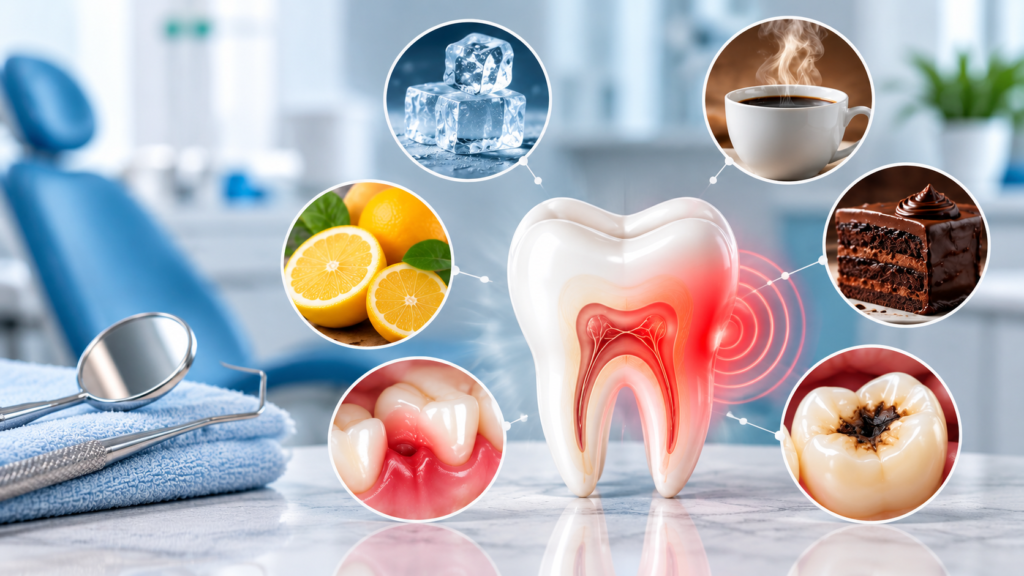
Few things are as distracting as a tooth that suddenly starts hurting, seemingly out of nowhere. One moment you’re fine, and the next you’re wincing every time you eat, drink, or even breathe in cold air. Sudden tooth pain can range from a mild, fleeting twinge to intense, throbbing discomfort — and the cause behind it can vary just as widely.
In this article, we’ll break down the most common reasons for sudden tooth pain, how to tell whether it’s an emergency, and what you can do for relief until you can see a dentist.
Why Sudden Tooth Pain Happens
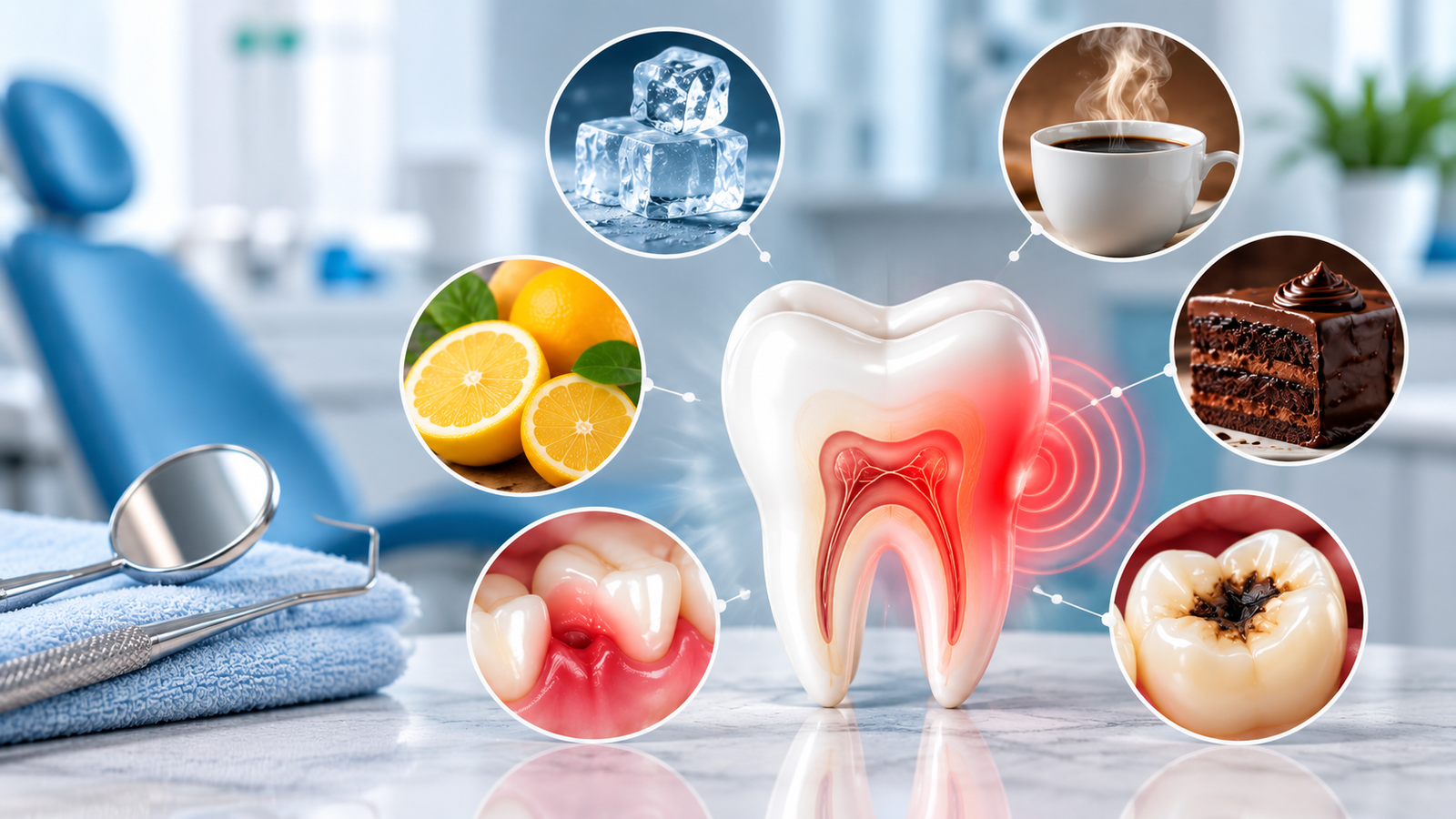
Teeth contain nerves deep inside, protected by layers of enamel and dentine. When something disrupts or exposes these layers — whether through decay, damage, infection, or pressure — the nerve reacts, often producing sudden, sharp, or throbbing pain. Because the trigger isn’t always visible from the outside, sudden tooth pain can feel confusing and alarming, even when the underlying cause is fairly common.
Common Causes of Sudden Tooth Pain
1. Tooth Decay Reaching the Nerve
If a cavity has been developing quietly without symptoms, it can suddenly become painful once decay reaches the dentine or the nerve inside the tooth. What felt like nothing yesterday can become a sharp, noticeable pain almost overnight as decay crosses that threshold.
2. A Cracked or Fractured Tooth
A crack in a tooth — sometimes too small to see with the naked eye — can cause sudden pain, particularly when biting down or when the tooth is exposed to hot or cold temperatures. Cracks can result from chewing on hard foods, grinding your teeth, or even a minor injury.
3. A Lost or Damaged Filling
Old fillings can wear down, crack, or fall out entirely, exposing the sensitive inner layers of the tooth. This often causes sudden sensitivity or pain, especially when eating or drinking something hot, cold, or sweet.
4. Tooth Abscess
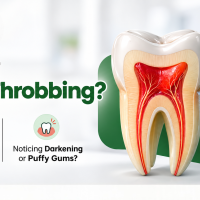
An abscess is a pocket of infection that can develop at the root of a tooth or in the surrounding gum tissue. It often causes intense, throbbing pain that can come on quite suddenly, sometimes accompanied by swelling, fever, or a bad taste in the mouth. This is considered a dental emergency and needs prompt treatment.
5. Gum Recession Exposing the Tooth Root
When gums recede — due to gum disease, aggressive brushing, or age — the root of the tooth can become exposed. Since roots lack the protective enamel covering the crown, they’re far more sensitive, and sudden pain can occur when eating or drinking something hot, cold, or acidic.
6. Sinus Pressure or Infection
Interestingly, tooth pain doesn’t always originate in the tooth itself. The roots of the upper back teeth sit close to the sinuses, so sinus pressure or infection can sometimes cause pain that feels like it’s coming from your teeth, particularly on one side of the face.
7. Teeth Grinding (Bruxism)
Grinding or clenching your teeth, often during sleep or in response to stress, puts significant pressure on the teeth and jaw. Over time, this can cause sudden sensitivity, pain, or even small cracks in the tooth surface.
8. Trapped Food or Debris
Sometimes the cause is far simpler than it seems. Food particles trapped tightly between teeth or beneath the gumline can press on sensitive tissue and cause sudden, localised pain that resolves once the debris is removed, such as by flossing.
9. Recent Dental Work
If you’ve recently had a filling, crown, or other dental treatment, some sensitivity or mild pain in the days afterwards is fairly normal as the tooth settles. However, pain that’s severe or doesn’t improve should be checked by your dentist.
10. Wisdom Teeth Issues
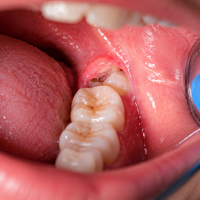
Sudden pain at the back of the mouth can often be linked to wisdom teeth — particularly if they’re impacted, coming through at an awkward angle, or causing pressure on neighbouring teeth.
11. Referred Jaw or TMJ Pain
Problems with the temporomandibular joint (TMJ) — which connects your jaw to your skull — can sometimes cause pain that feels like it’s coming from your teeth, especially if you also experience jaw clicking, stiffness, or discomfort while chewing.
Is Sudden Tooth Pain a Dental Emergency?
Not every case of sudden tooth pain requires an emergency visit, but some situations do need urgent attention. Watch for these signs:
- Severe, throbbing pain that doesn’t ease with over-the-counter painkillers
- Visible swelling in the face, gums, or jaw
- Fever alongside tooth pain
- A bad taste or pus near the affected tooth
- Pain following a recent injury to the mouth or face
- Difficulty swallowing or breathing (seek emergency care immediately)
If any of these apply, it’s best to contact an emergency dentist or urgent care service as soon as possible, rather than waiting for a routine appointment.
How to Get Relief Until You See a Dentist
1. Rinse with Warm Salt Water
A warm salt water rinse can help reduce inflammation and clean the area around a painful tooth, offering mild, temporary relief.
2. Take an Over-the-Counter Painkiller
Following the recommended dosage of a standard painkiller, such as ibuprofen or paracetamol, can help manage pain and reduce inflammation until you’re seen by a dentist.
3. Avoid Very Hot, Cold, or Sugary Foods
Steer clear of extreme temperatures and sugary items, which can trigger or worsen sensitivity in an already irritated tooth.
4. Use a Cold Compress
Applying a cold compress to the outside of the cheek, near the painful area, can help numb the discomfort and reduce any swelling.
5. Floss Gently Around the Area
If trapped food might be contributing to the pain, gently flossing around the tooth can help — but avoid this if you suspect a crack or infection, as it may aggravate the area further.
6. Avoid Chewing on the Affected Side
Try to eat on the opposite side of your mouth to avoid putting further pressure on the painful tooth.
When Should You See a Dentist?
You should book a dental appointment — urgently if necessary — if you experience:
- Sudden pain that lasts more than a day or two
- Pain that worsens rather than improves
- Visible swelling, redness, or a bump on the gum
- Pain triggered specifically by hot, cold, or biting pressure
- Any sign of infection, such as fever or a bad taste in the mouth
A dentist can identify the exact cause through examination and X-rays, and provide the right treatment before the problem worsens.
Conclusion
Sudden tooth pain can be alarming, but it’s rarely without a clear underlying cause — whether that’s decay reaching a nerve, a crack, a lost filling, or something less obvious like sinus pressure or teeth grinding. While some cases can be managed temporarily at home with painkillers and gentle care, persistent or severe pain, swelling, or signs of infection should always be checked by a dentist promptly. Catching the cause early not only relieves pain faster but often prevents the issue from becoming more serious or expensive to treat.
Frequently Asked Questions (FAQs)
Q1. Why did my tooth suddenly start hurting with no warning? Sudden tooth pain often occurs when decay, a crack, or an infection reaches the nerve inside the tooth. Since these issues can develop silently, the pain can seem to appear out of nowhere even though the underlying cause has been building for some time.
Q2. Can sudden tooth pain go away on its own? Mild pain from trapped food or minor sensitivity may ease on its own once the cause is resolved. However, pain from decay, infection, or a crack typically won’t go away without treatment and can worsen if ignored.
Q3. Is sudden tooth pain always a sign of a cavity? No, sudden tooth pain can also be caused by a cracked tooth, gum recession, sinus pressure, teeth grinding, or a lost filling — not only by cavities.
Q4. How do I know if my tooth pain is an emergency? Signs of a dental emergency include severe pain that doesn’t respond to painkillers, visible swelling, fever, or pus near the tooth. These require urgent attention rather than a routine appointment.
Q5. Can sinus problems really cause tooth pain? Yes, the roots of the upper back teeth sit close to the sinuses, so sinus pressure or infection can sometimes cause pain that feels like it’s coming from the teeth.
Q6. What painkillers are safe for sudden tooth pain? Standard over-the-counter painkillers like ibuprofen or paracetamol, taken at the recommended dose, are generally safe for temporary relief. If you have any medical conditions or are on other medication, check with a pharmacist first.
Q7. Should I go to A&E or a dentist for tooth pain? For most sudden tooth pain, an emergency dentist is the right choice. A&E should only be considered if there’s severe facial swelling, difficulty breathing or swallowing, or signs of a spreading infection.