

Cavities are one of the most common dental problems, yet they’re often difficult to spot in their early stages. Many people don’t realise they have a cavity until it starts causing pain or discomfort — by which point the decay has usually progressed further than it needed to. Knowing the early warning signs can help you catch a cavity before it becomes a bigger, more expensive problem.
In this article, we’ll walk through the key signs of a cavity, how tooth decay develops, and when it’s time to see a dentist.
What Exactly Is a Cavity?
A cavity is a small hole or area of permanent damage in the hard surface of a tooth, caused by tooth decay. It develops when plaque — a sticky film of bacteria — combines with sugars and starches from food to produce acid. Over time, this acid wears away at the tooth’s enamel, and if left untreated, eventually breaks through into the deeper layers of the tooth.
Cavities don’t appear overnight. They develop gradually, which means there are usually warning signs along the way — if you know what to look for.
Key Signs You May Have a Cavity
1. Tooth Sensitivity
One of the earliest signs of a cavity is increased sensitivity to hot, cold, or sweet foods and drinks. If a specific tooth reacts sharply to a cup of tea or a cold drink, while your other teeth feel fine, it could indicate that decay has started to affect the enamel.
2. Visible Holes or Pits
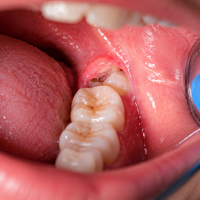
As decay progresses, small holes or pits may become visible on the surface of the tooth. These are often easiest to spot on the chewing surfaces of back teeth, where cavities are most common, but they can appear anywhere.
3. White, Brown, or Black Spots
Cavities often begin as small white spots on the tooth surface — an early sign of enamel demineralisation. As decay progresses, these spots can turn brown or black. Any unusual discolouration on a tooth is worth having checked.
4. Toothache or Spontaneous Pain
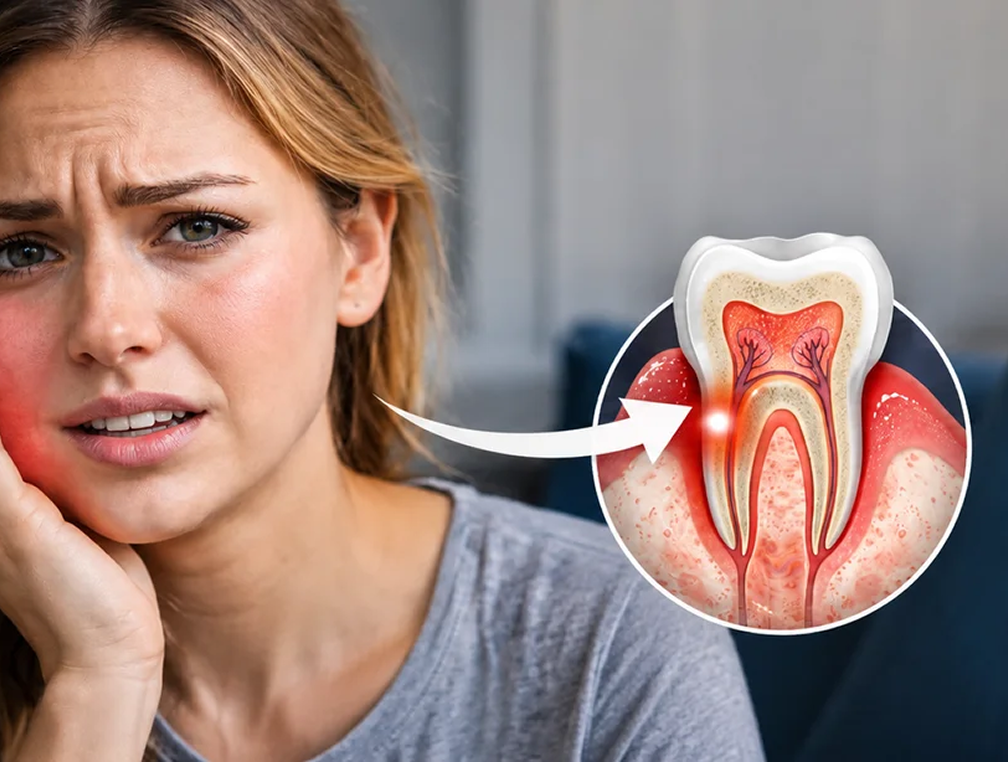
Pain that occurs without any obvious trigger — such as an ache that comes and goes on its own — can indicate that decay has reached the inner layers of the tooth, closer to the nerve.
5. Pain When Biting or Chewing
If biting down on food causes sharp or lingering pain in a specific tooth, this can be a sign that a cavity has developed, particularly if the decay is affecting the tooth’s structure or is close to a nerve.
6. Persistent Bad Breath or Bad Taste
Bacteria involved in tooth decay can produce a persistent bad taste in the mouth or contribute to bad breath that doesn’t go away with brushing, even a few hours later.
7. Visible Debris or Dark Lines Between Teeth
Cavities can sometimes form between teeth, where they’re harder to see directly. Dark lines or shadows visible between teeth, especially near the gumline, can be an early sign of decay in these hard-to-reach areas.
8. Rough or Uneven Tooth Surface
Running your tongue over your teeth and noticing a rough patch, small dip, or uneven texture — where the surface used to feel smooth — can be an early physical sign of a developing cavity.
9. Sensitivity When Eating Sweets
If eating something sugary causes a sharp, noticeable twinge in a specific tooth, this reaction to sugar can indicate that the enamel has been compromised in that area.
Why Cavities Are Often Missed in Early Stages
Early-stage cavities frequently cause no noticeable symptoms at all. The enamel has no nerve endings, so decay can progress through this outer layer without any pain. It’s usually only once decay reaches the dentine — the layer beneath the enamel, which is more sensitive — that symptoms like sensitivity or pain begin to appear. This is exactly why regular dental check-ups matter: dentists can spot cavities using visual examination and X-rays long before symptoms develop.
Who Is More at Risk of Cavities?
Certain factors increase the likelihood of developing cavities:
- Frequent snacking or sipping sugary drinks throughout the day
- Inconsistent or ineffective brushing and flossing
- Dry mouth, which reduces saliva’s natural protective effect
- Deep grooves or pits in the back teeth, where plaque can hide
- Acid reflux or frequent vomiting, which exposes teeth to stomach acid
- Not using fluoride toothpaste or having limited access to fluoridated water
- Previous history of cavities or dental work
What Should You Do If You Suspect a Cavity?
1. Don’t Wait for the Pain to Get Worse
Even mild sensitivity or a small visible spot is worth having checked. Catching a cavity early often means a simple filling, rather than more extensive treatment later.
2. Book a Dental Check-Up
A dentist can confirm whether it’s a cavity using a visual exam, a dental probe, and X-rays, which can reveal decay between teeth or beneath the surface that isn’t visible to the naked eye.
3. Improve Your Oral Hygiene Immediately
While waiting for your appointment, brush twice daily with fluoride toothpaste, floss daily, and reduce sugary snacks and drinks to help slow further decay.
4. Avoid Extreme Temperatures
If a tooth is sensitive, try to avoid very hot or cold foods and drinks until you’ve seen a dentist, as this can help manage discomfort in the meantime.
5. Use a Sensitivity Toothpaste
A toothpaste designed for sensitive teeth can help ease mild discomfort temporarily, though it won’t treat the underlying cavity itself.
How Are Cavities Treated?
Treatment depends on how advanced the decay is:
- Early-stage decay: Fluoride treatment can sometimes help remineralise the enamel and reverse very early decay
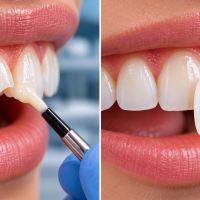
- Small to moderate cavities: A filling is typically used to remove the decayed portion and restore the tooth
- Larger cavities: A crown may be needed to protect and restore a tooth with more extensive damage
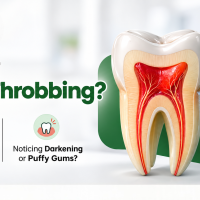
- Decay reaching the nerve: A root canal treatment may be required if the pulp inside the tooth has become infected
When Should You See a Dentist?
You should book a dental appointment promptly if you notice:
- Persistent tooth sensitivity to hot, cold, or sweet foods
- A visible hole, pit, or dark spot on a tooth
- Pain when biting or chewing
- Spontaneous toothache that comes and goes
- Any rough or uneven area you can feel with your tongue
Even without obvious symptoms, routine dental check-ups every six months are the most reliable way to catch cavities early, before they cause pain or require more invasive treatment.
Conclusion
Cavities rarely appear suddenly — they develop gradually, often with subtle early signs like sensitivity, small spots, or slight roughness on the tooth surface. Because early-stage decay often causes no pain, it’s easy to miss without regular check-ups. Paying attention to these early warning signs, along with consistent oral hygiene and routine dental visits, gives you the best chance of catching a cavity while it’s still simple and inexpensive to treat.
Frequently Asked Questions (FAQs)
Q1. Can you have a cavity without any pain? Yes, early-stage cavities often cause no pain at all, since enamel has no nerve endings. Pain typically only develops once decay reaches the more sensitive dentine layer beneath.
Q2. What does a cavity look like in its early stages? Early cavities often appear as small white or chalky spots on the tooth surface. As decay progresses, these spots can darken to brown or black, and a visible hole may eventually form.
Q3. Can a cavity heal on its own? Very early-stage decay, before a hole has formed, can sometimes be reversed with fluoride treatment and improved oral hygiene. However, once an actual cavity (hole) has formed, it cannot heal on its own and requires professional treatment.
Q4. How do dentists check for cavities? Dentists typically use a visual examination, a dental probe to check for soft spots, and X-rays, which can reveal decay between teeth or below the surface that isn’t visible during a standard check-up.
Q5. Why does my tooth hurt only when I eat sweets? Sensitivity specifically to sugary foods can indicate that the enamel has been weakened or breached in that area, allowing sugar to reach more sensitive layers of the tooth.
Q6. How often should I get checked for cavities? Most dentists recommend a check-up every six months, though this can vary depending on your individual risk factors and oral health history.
Q7. Can cavities be prevented completely? While no method guarantees zero risk, consistent brushing with fluoride toothpaste, daily flossing, reduced sugar intake, and regular dental visits significantly lower the risk of developing cavities.