



It’s easy to put off a dental visit when nothing feels urgent. But many dental problems start small and quiet, showing subtle signs long before they turn into pain or a bigger procedure. Knowing what to watch for can save you time, money and discomfort down the line.
Here are 10 signs you need to see a dentist — don’t wait until they get worse.
1. Persistent Tooth Pain
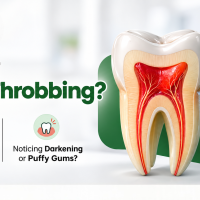
Occasional mild sensitivity is common, but tooth pain that lingers, throbs or worsens when you bite down is your body signalling that something needs attention. This could indicate decay, an infection, or a cracked tooth. Ignoring persistent pain often means the problem — and the treatment needed — gets bigger over time.
2. Bleeding Gums
Gums that bleed when you brush or floss are one of the earliest signs of tooth decay and gum disease, even though the bleeding itself comes from the gums, not the teeth. Occasional bleeding from brushing too hard is one thing, but regular bleeding usually points to gum inflammation (gingivitis) that needs professional cleaning before it progresses further.
3. Sensitive Teeth
If hot, cold, sweet or acidic foods and drinks cause a sharp, uncomfortable reaction, you have sensitive teeth that need looking at. This can result from worn enamel, gum recession, a cavity, or even a cracked tooth. A dentist can identify the exact cause and recommend the right fix, from desensitising treatments to a filling.
4. Swollen or Tender Gums
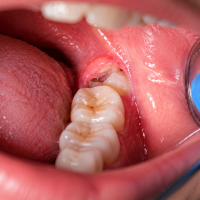
Swollen gums — especially if they look red, feel tender to touch, or appear puffy around specific teeth — often signal an infection or advancing gum disease. Left unaddressed, this can progress to more serious periodontal issues that affect the bone supporting your teeth.
5. Persistent Bad Breath
Bad breath that doesn’t go away with brushing, mouthwash or mints can be a sign of gum disease, tooth decay, or bacteria trapped in areas your toothbrush can’t reach. A professional cleaning and check-up can identify the underlying cause rather than just masking the smell.
6. Visible Cavities or Dark Spots
Dark spots, small holes, or visible discolouration on a tooth’s surface are classic cavity symptoms. Cavities don’t heal on their own and only get larger and deeper the longer they’re left, eventually reaching the nerve and requiring more extensive treatment.
7. A Tooth That’s Suddenly Stopped Hurting
This one catches people off guard. If a tooth was painful and then the pain suddenly disappears, it doesn’t always mean it healed — it can mean the nerve inside has died. This is actually one of the clearer signs you need a root canal, and it still requires treatment even though the pain is gone.
8. Loose or Shifting Teeth
Adult teeth shouldn’t feel loose or move from their position. This can indicate advanced gum disease, bone loss, or trauma to the tooth. The sooner this is evaluated, the better the chances of saving the tooth. If a tooth has already been lost, options like dental implants can restore full function.
9. Jaw Pain or Clicking
Pain in the jaw, difficulty opening your mouth fully, or a clicking/popping sound when chewing can point to issues like teeth grinding, misalignment, or a jaw joint (TMJ) problem. A dentist can assess whether the cause is dental, structural, or habit-related.
10. It’s Been Over 6 Months Since Your Last Dental Checkup
Even without any obvious symptoms, skipping your routine dental checkup means small issues can go undetected until they become bigger problems. Regular check-ups every 6 months allow your dentist to catch decay, gum issues or wear early, when treatment is simpler and less costly.
Why Early Action Matters
Most dental problems are far easier, faster and cheaper to treat when caught early. A small cavity needs a simple filling; left untreated, it can progress to needing a root canal or even extraction. Waiting rarely makes a dental issue go away — it usually just adds more steps to the fix.
What Happens During a Dental Check-Up
If you’re overdue for a visit, here’s what a routine check-up typically involves:
- Visual examination of teeth, gums and soft tissue
- X-rays (if needed) to check for issues not visible to the eye
- Professional cleaning to remove plaque and tartar buildup
- Discussion of any symptoms you’ve been experiencing
- Treatment plan, if any issues are found, explained clearly before proceeding
For a full picture of what a clinic can address in one visit, see our expert dental solutions in Mohali.
Frequently Asked Questions
1. What are the earliest signs of tooth decay?
Sensitivity to hot, cold or sweet foods, visible dark spots, and mild discomfort while chewing are often the earliest signs, before pain becomes noticeable.
2. Is bleeding while brushing always a sign of a problem?
Occasional light bleeding from brushing too hard can happen, but regular or frequent bleeding usually indicates gum inflammation that needs professional attention.
3. Why did my tooth pain suddenly stop?
Sudden relief from tooth pain can mean the nerve inside the tooth has died, which still requires treatment like a root canal — it isn’t a sign of healing.
4. How often should I visit the dentist if I have no symptoms?
Every 6 months is generally recommended, even without symptoms, since many dental issues develop silently.
5. Can jaw clicking mean something serious?
Not always, but persistent clicking, pain or difficulty opening your mouth should be evaluated to rule out TMJ disorders or bite misalignment.
6. What should I do if I notice a loose adult tooth?
See a dentist as soon as possible. Early evaluation gives the best chance of treating the underlying cause and potentially saving the tooth.
7. Can bad breath be fixed with just mouthwash?
Mouthwash can mask odour temporarily, but if bad breath persists, it usually points to an underlying issue like gum disease or decay that needs professional treatment.
Final Thoughts
Your mouth often gives warning signs long before a dental problem becomes serious. Tooth pain, bleeding gums, sensitivity, swelling or a sudden change in symptoms are all cues worth listening to. When in doubt, a simple check-up can catch issues early and save you from more complex treatment later.
Noticing any of these signs? Book a dental check-up today and get ahead of the problem before it grows.