

For many people, a dental cleaning appointment brings a mix of mild anxiety and uncertainty — the sounds, the tools, and not quite knowing what’s happening at each stage can make the experience feel more intimidating than it needs to be. In reality, a professional dental cleaning is a straightforward, painless process designed to keep your teeth and gums healthy in ways that daily brushing and flossing simply can’t achieve on their own.
In this article, we’ll walk through exactly what happens during a dental cleaning, step by step, so you know what to expect at your next appointment.
Why Professional Dental Cleanings Are Necessary
Even with excellent brushing and flossing habits, plaque can harden into a substance called tartar (or calculus) within days. Once plaque hardens into tartar, it can no longer be removed with a toothbrush — it requires professional tools. Left untreated, tartar build-up contributes to gum disease, cavities, and bad breath. This is exactly why dentists recommend a professional cleaning every six months, regardless of how well you maintain your oral hygiene at home.
Step-by-Step: What Happens During a Dental Cleaning
Step 1: Physical Examination
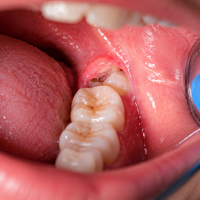
Before any cleaning begins, a dental hygienist or dentist typically performs a quick physical examination of your mouth. Using a small mirror, they check for visible signs of gum inflammation, cavities, or other concerns. This step helps identify anything that might need closer attention during the appointment, or a follow-up with the dentist.
Step 2: Removing Plaque and Tartar (Scaling)
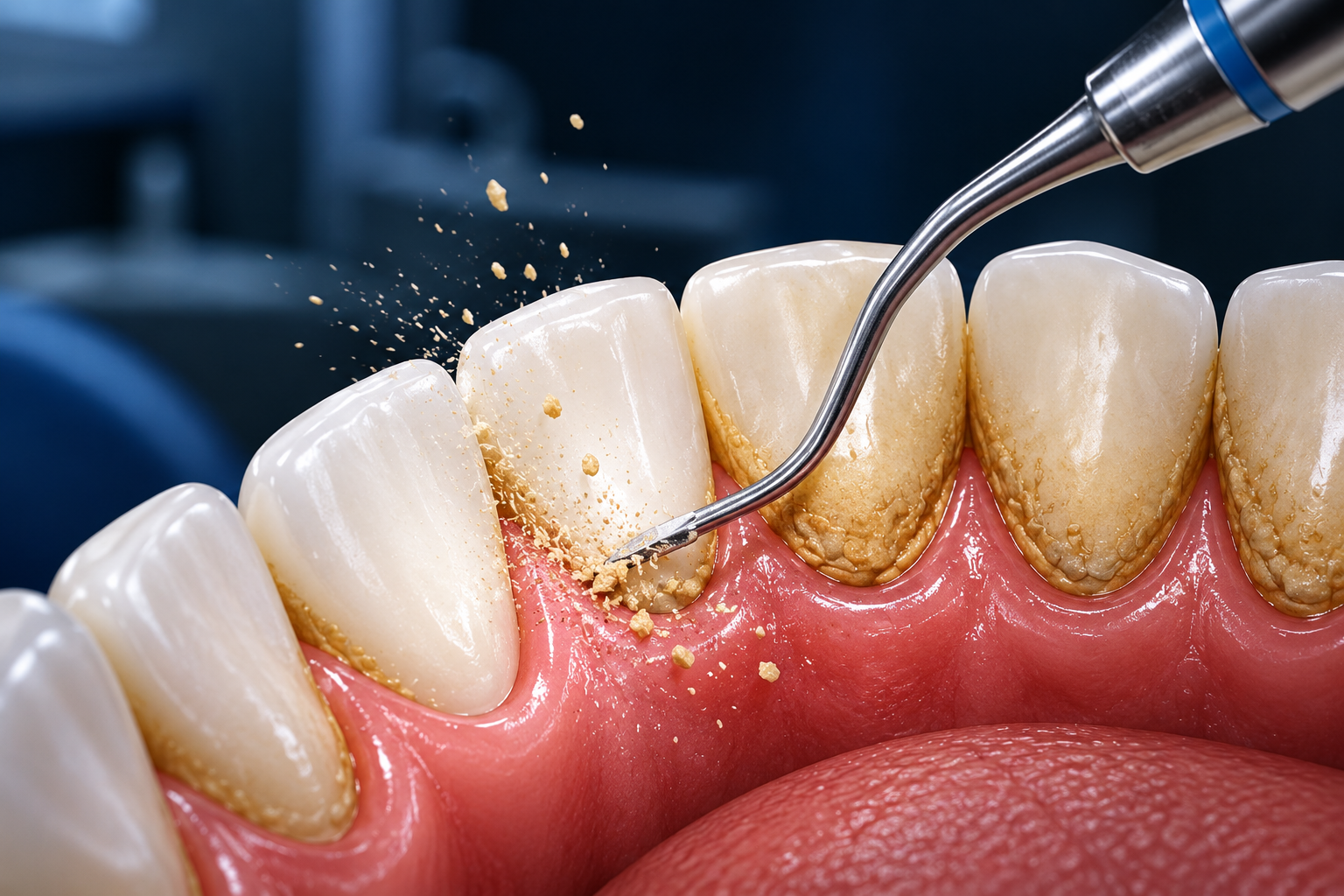
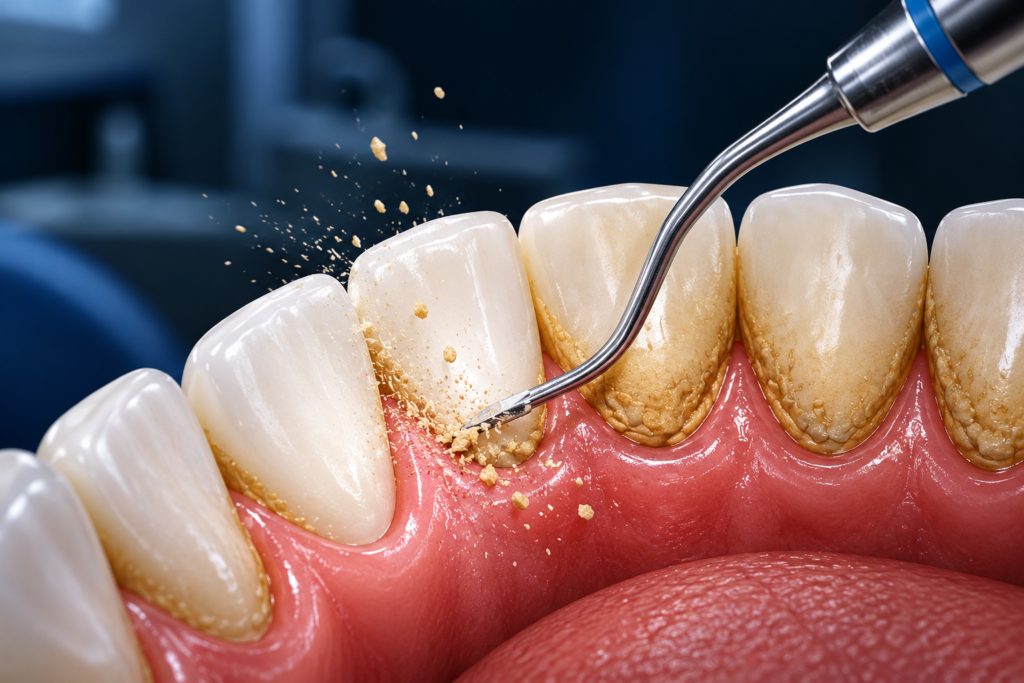
This is the core part of the cleaning process. Using a small metal instrument called a scaler, the hygienist carefully removes plaque and tartar from the surface of each tooth, as well as along and slightly beneath the gumline, where build-up commonly accumulates.
You may hear scraping sounds during this step — this is completely normal and is simply the sound of tartar being removed from the tooth surface. Many modern dental practices also use an ultrasonic scaler, which uses gentle vibrations and a fine water spray to break up larger deposits of tartar more efficiently, often making this part of the process quicker and more comfortable.
Step 3: Gritty Toothpaste Cleaning
Once plaque and tartar have been removed, the hygienist uses a high-powered electric brush along with a special gritty, textured toothpaste to give your teeth a deep clean. This step polishes the tooth surface and removes any remaining plaque that scaling may have missed, including surface stains from food and drink.
While it sounds (and feels) more intense than your regular toothbrush, this step is completely safe and is only used occasionally during professional cleanings, rather than daily.
Step 4: Expert Flossing
Even if you floss regularly at home, a professional flossing session goes a step further. The hygienist can identify any problem areas between your teeth where plaque may be trapped, and ensures a deep, thorough clean between each tooth, including areas you might typically miss.
Step 5: Rinsing
After scaling and flossing, you’ll be asked to rinse your mouth to clear away any remaining debris or toothpaste residue. This is usually done with a liquid fluoride rinse to help remove any leftover particles before the final steps of the cleaning.
Step 6: Fluoride Treatment
Many dental cleanings conclude with a fluoride treatment, which helps strengthen enamel and protect teeth against cavities for several months afterwards. This is typically applied as a gel, foam, or varnish, and may come in flavoured options. The dentist or hygienist will usually ask you to avoid eating or drinking for around 30 minutes afterwards, to allow the fluoride to be fully absorbed.
Step 7: X-Rays (If Needed)
Depending on how long it’s been since your last set of X-rays, and your individual dental history, you may also have X-rays taken — usually once a year, though this can vary. X-rays allow the dentist to check for issues that aren’t visible during a standard examination, such as decay between teeth, problems below the gumline, or issues with the jawbone.
Step 8: Final Examination by the Dentist
After the cleaning is complete, the dentist typically carries out a final examination, reviewing the hygienist’s notes and checking your teeth and gums more closely. This is the point where cavities, signs of gum disease, or other concerns are formally diagnosed, and any necessary next steps or treatment are discussed with you.
How Long Does a Dental Cleaning Take?
A routine dental cleaning typically takes between 30 and 60 minutes, depending on factors such as how much tartar has built up, whether X-rays are included, and whether any additional gum treatment is needed. If it’s your first cleaning in a long while, or if there’s significant tartar build-up, the appointment may take a little longer.
Does a Dental Cleaning Hurt?
For most people, a dental cleaning is not painful, though some may experience mild discomfort or sensitivity, particularly around the gumline or if they have sensitive teeth. If you have significant tartar build-up, gum inflammation, or haven’t had a cleaning in a long time, some tenderness during scaling is fairly common but shouldn’t be sharply painful. If you do experience discomfort, it’s always worth letting your hygienist know — they can adjust their approach or offer numbing gel if needed.
What If You Have Gum Disease?
If you have early-stage gum disease (gingivitis), a standard cleaning is usually sufficient to help reverse it, alongside improved home care. However, if gum disease has progressed further (periodontitis), you may require a more intensive treatment called scaling and root planing, which cleans deeper below the gumline and smooths the tooth root to help gums reattach. This is often done in one or more separate appointments, sometimes with local anaesthetic for comfort.
How to Prepare for a Dental Cleaning
- Brush and floss as normal beforehand — there’s no need to “clean” excessively before your appointment
- Inform your dentist of any changes to your medical history or medications
- Mention any areas of sensitivity or discomfort you’ve noticed
- Avoid eating immediately before your appointment if you’re having a fluoride treatment, to make the post-treatment waiting period easier
Why Regular Dental Cleanings Matter
Beyond simply keeping your teeth looking clean, regular professional cleanings play a key role in:
- Preventing gum disease by removing tartar that brushing can’t reach
- Catching cavities and other issues early, before they cause pain
- Reducing bad breath caused by bacteria and plaque build-up
- Helping maintain overall oral and, by extension, general health
- Giving your dentist the opportunity to monitor changes over time
When Should You Book a Dental Cleaning?
Most dentists recommend a professional cleaning every six months, though this can vary depending on individual risk factors, such as a history of gum disease, smoking, or certain medical conditions. If you’re unsure how often you should be going, it’s worth asking your dentist directly, as they can tailor a schedule to your specific needs.
Conclusion
A dental cleaning is a straightforward, routine process that plays a far bigger role in your oral health than many people realise. From removing hardened tartar that brushing simply can’t reach, to catching early signs of decay or gum disease, each step is designed to protect your teeth and gums well beyond what daily care alone can achieve. Understanding exactly what happens — and why — can make the appointment feel far less intimidating, and help you appreciate just how valuable those twice-yearly visits really are
Frequently Asked Questions (FAQs)
Q1. Is a dental cleaning painful? For most people, a dental cleaning isn’t painful, though some may experience mild discomfort or sensitivity, particularly if there’s significant tartar build-up or gum inflammation. It shouldn’t be sharply painful — let your hygienist know if it is.
Q2. How often should I get a professional dental cleaning? Most dentists recommend a cleaning every six months, though your dentist may suggest a different schedule based on your individual oral health and risk factors.
Q3. Can I eat right after a dental cleaning? It’s best to wait around 30 minutes after a fluoride treatment before eating or drinking, to allow the fluoride to be properly absorbed. After that, you can eat normally.
Q4. Why do I hear scraping sounds during a dental cleaning? The scraping sound comes from a scaler being used to remove hardened tartar from the tooth surface. It’s a normal part of the cleaning process, even though it can sound louder than expected.
Q5. What’s the difference between a regular cleaning and scaling and root planing? A regular cleaning addresses plaque and tartar above and slightly below the gumline. Scaling and root planing is a deeper treatment used for more advanced gum disease, cleaning further beneath the gumline and smoothing the tooth root.
Q6. Do I still need X-rays if my teeth look and feel fine? Yes, X-rays can reveal issues that aren’t visible during a regular exam, such as decay between teeth or below the gumline, so they’re recommended periodically even if you have no symptoms.
Q7. Will a dental cleaning whiten my teeth? A cleaning can remove surface stains from food, drink, and plaque, which may make your teeth appear slightly brighter, but it isn’t the same as a professional whitening treatment.