

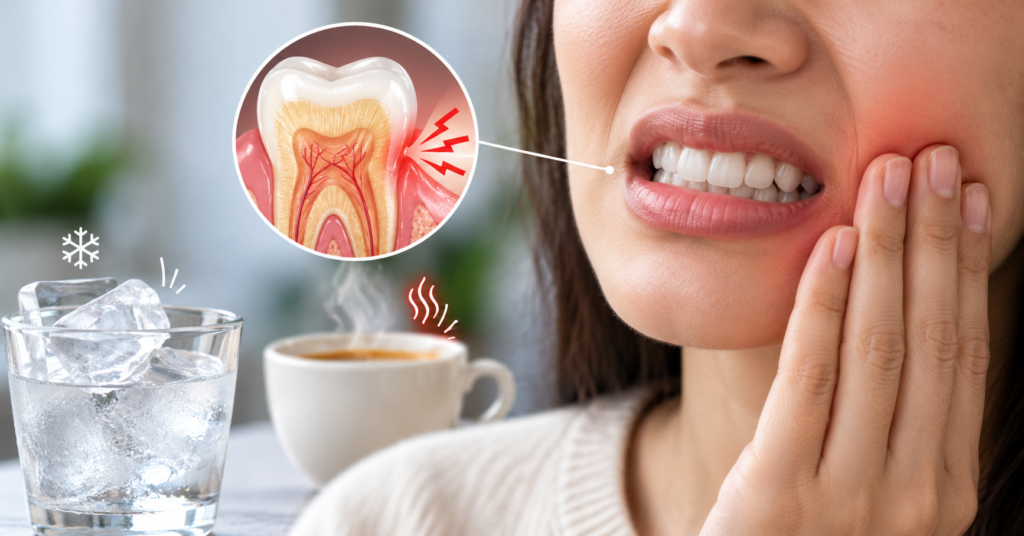
If you’ve ever winced after a sip of cold water, a spoonful of ice cream, or a hot cup of tea, you know exactly how disruptive sensitive teeth can be. Tooth sensitivity is one of the most common dental complaints, and while it can feel frustrating, the good news is that it’s usually very manageable with the right habits and products.
In this article, we’ll explain what causes sensitive teeth and share nine practical tips to help you find relief and get back to enjoying your favourite foods and drinks without discomfort.
What Causes Tooth Sensitivity?
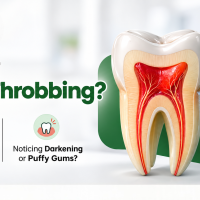
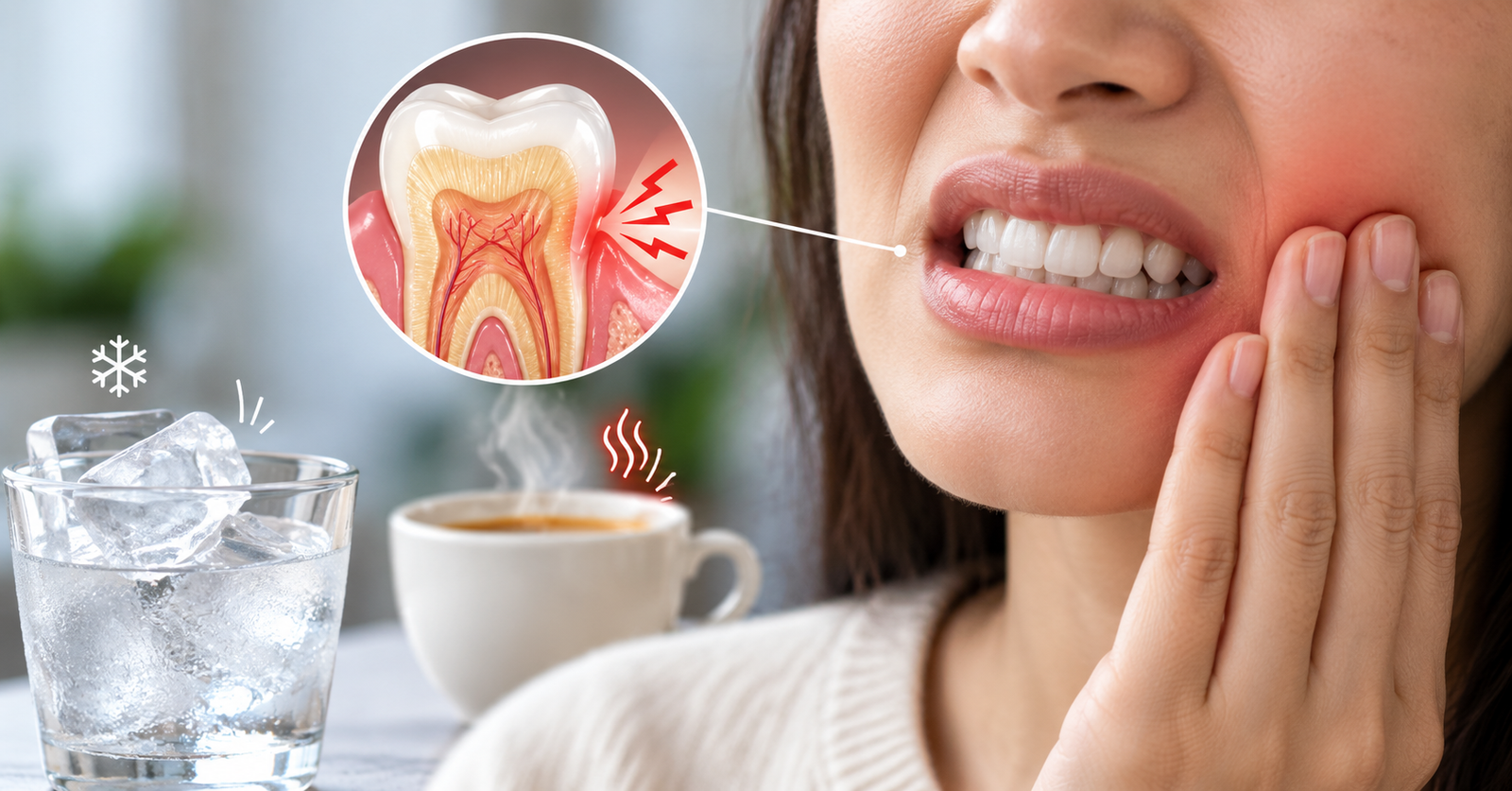
Tooth sensitivity typically occurs when the protective enamel on your teeth wears down, or when gums recede and expose the root surface underneath. Both enamel and the cementum covering the roots protect the dentine, a layer filled with tiny tubules that lead directly to the tooth’s nerve. When dentine is exposed, hot, cold, sweet, or acidic triggers can reach the nerve more easily, causing that sharp, sudden discomfort many people describe as sensitivity.
Common causes include:
- Enamel erosion from acidic foods and drinks
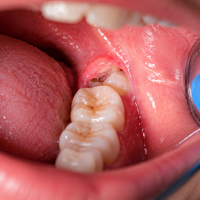
- Gum recession due to gum disease or aggressive brushing
- Teeth grinding (bruxism)
- Cracked or chipped teeth
- Recent teeth whitening treatments
- Tooth decay or a lost filling
9 Tips for People With Sensitive Teeth
1. Switch to a Toothpaste Designed for Sensitive Teeth
Sensitivity toothpastes contain active ingredients, such as potassium nitrate or stannous fluoride, which work to block pain signals from reaching the nerve or help seal exposed dentine tubules. Using one consistently, rather than occasionally, tends to produce the best results — most people notice improvement within two to four weeks.
2. Use a Soft-Bristled Toothbrush
A soft-bristled toothbrush cleans just as effectively as a medium or hard one, without further wearing down enamel or irritating already-sensitive gums. If you’re currently using a medium or hard brush, switching to soft is one of the simplest changes you can make.
3. Brush Gently, Not Aggressively
Brushing too hard is one of the leading causes of enamel wear and gum recession, both of which contribute directly to sensitivity. Use gentle, circular motions rather than vigorous back-and-forth scrubbing, and let the bristles do the work rather than applying heavy pressure.
4. Avoid Brushing Immediately After Acidic Foods or Drinks
After consuming acidic foods or drinks — such as citrus fruits, fizzy drinks, or wine — enamel is temporarily softened. Brushing straight away can actually cause more wear. It’s best to wait around 30 minutes before brushing, giving your saliva time to naturally neutralise the acid first.
5. Limit Acidic and Sugary Foods
Frequent consumption of acidic foods and drinks gradually erodes enamel, increasing sensitivity over time. Where possible, limit these items, and consider rinsing your mouth with water afterwards to help reduce their impact on your teeth.
6. Wear a Nightguard If You Grind Your Teeth
If teeth grinding or clenching is contributing to your sensitivity, a custom-fitted nightguard from your dentist can protect your teeth from further wear while you sleep, when grinding often happens without you realising it.
7. Be Cautious with Whitening Products
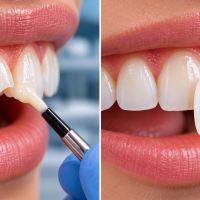
Teeth whitening treatments, particularly certain over-the-counter kits, can increase sensitivity, sometimes significantly. If you already experience sensitive teeth, it’s worth speaking to a dentist before whitening, or opting for a professional treatment designed to minimise this side effect.
8. Use a Fluoride Mouthwash
A fluoride mouthwash can help strengthen enamel and reduce sensitivity over time, particularly when used alongside a sensitivity toothpaste as part of your daily routine.
9. Don’t Ignore Gum Health
Since gum recession is a major cause of exposed, sensitive roots, keeping your gums healthy through gentle brushing, regular flossing, and professional cleanings can help prevent sensitivity from developing further, or worsening over time.
Foods and Drinks That May Trigger Sensitivity
Being aware of common triggers can help you manage discomfort day to day:
- Ice cream, cold water, and iced drinks
- Hot tea, coffee, or soup
- Citrus fruits and juices
- Fizzy and carbonated drinks
- Sweets, chocolate, and other sugary foods
- Very cold air, particularly when breathing through the mouth
You don’t necessarily need to avoid these entirely, but being mindful of them — especially during flare-ups — can help reduce discomfort.
When Sensitivity Might Mean Something More Serious
While mild, generalised sensitivity is often manageable with the tips above, certain signs suggest it’s worth seeing a dentist rather than managing it alone:
- Sensitivity that’s isolated to one specific tooth
- Pain that’s severe, throbbing, or doesn’t ease with sensitivity toothpaste
- Sensitivity accompanied by visible damage, a hole, or discolouration
- Sensitivity that develops suddenly after a dental injury
- Gums that are visibly receding, swollen, or bleeding
These signs can point to a cavity, a cracked tooth, or advancing gum disease, all of which need professional treatment rather than home management alone.
When Should You See a Dentist?
Book a dental appointment if:
- Sensitivity persists for more than a couple of weeks despite using a sensitivity toothpaste
- Pain is severe or affects your ability to eat and drink comfortably
- Sensitivity is limited to one tooth rather than spread across several
- You notice other symptoms, such as visible decay, swelling, or gum recession
A dentist can identify the underlying cause and recommend targeted treatment, such as a fluoride varnish, a bonding agent to cover exposed roots, or addressing an underlying cavity or crack.
Conclusion
Sensitive teeth can be genuinely uncomfortable, but for most people, it’s a manageable condition rather than a permanent one. Simple changes — like switching to a sensitivity toothpaste, brushing gently with a soft brush, and being mindful of acidic foods — can make a noticeable difference within a few weeks. If sensitivity persists, is severe, or is limited to a single tooth, it’s worth having a dentist take a closer look to rule out an underlying cause that needs specific treatment.
Frequently Asked Questions (FAQs)
Q1. How long does it take for sensitivity toothpaste to work? Most people notice an improvement within two to four weeks of consistent use. It works best when used regularly, rather than only when sensitivity flares up.
Q2. Can sensitive teeth be cured permanently? It depends on the cause. Sensitivity due to mild enamel wear or gum irritation can often be significantly reduced or resolved with the right habits and products. However, sensitivity caused by more advanced gum recession or enamel loss may require ongoing management or professional treatment.
Q3. Why are my teeth suddenly more sensitive than usual? A sudden increase in sensitivity can be linked to recent teeth whitening, a new crack or chip, acid erosion, gum recession, or even a cavity. If it’s sudden and doesn’t improve, it’s worth having it checked.
Q4. Is cold water sensitivity normal? Mild sensitivity to cold water is common and often manageable, but sensitivity that’s sharp, persistent, or limited to a specific tooth should be evaluated by a dentist, as it could indicate a more specific issue.
Q5. Can teeth whitening cause permanent sensitivity? Whitening-related sensitivity is usually temporary and improves within a few days to weeks after treatment. However, repeated or excessive whitening can contribute to more lasting sensitivity, so it’s best done under professional guidance.
Q6. Does a soft toothbrush really make a difference for sensitive teeth? Yes, soft bristles clean just as effectively as harder ones while causing far less wear on enamel and irritation to gums, both of which directly reduce sensitivity over time.
Q7. Should I see a dentist for sensitive teeth, or can I just use toothpaste? Mild, generalised sensitivity can often be managed with a sensitivity toothpaste and gentler habits. However, if it’s severe, persistent, or limited to one tooth, it’s best to see a dentist to rule out an underlying cause.