

Many people brush their teeth twice a day, yet still notice a yellowish tinge whenever they look in the mirror. If you’ve ever wondered, “I brush regularly, so why do my teeth still look yellow?” — you’re not alone. This is a common dental concern, and it usually has less to do with poor hygiene and more to do with a combination of natural and lifestyle-related factors.
In this article, we’ll explain why teeth can appear yellow even with regular brushing, why brushing alone isn’t always enough, and what you can do to achieve a naturally brighter smile.
What Is the Natural Colour of Teeth?
The first thing to understand is that perfectly “snow white” teeth are actually quite rare. Every person’s teeth have a natural shade, which can range from off-white to a light cream or even a slightly yellow tone. This depends on two layers of the tooth:
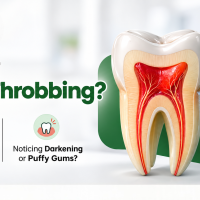
- Enamel – the outer, hard, translucent layer
- Dentine – the layer beneath the enamel, which is naturally yellowish in colour
When enamel is thin or translucent, the yellow tone of the dentine underneath becomes more visible. This means your teeth can be perfectly clean after brushing, yet still appear yellow, simply because of their underlying structure.
Why Do Teeth Still Look Yellow After Brushing? Top Reasons
1. Staining Isn’t Always Just on the Surface
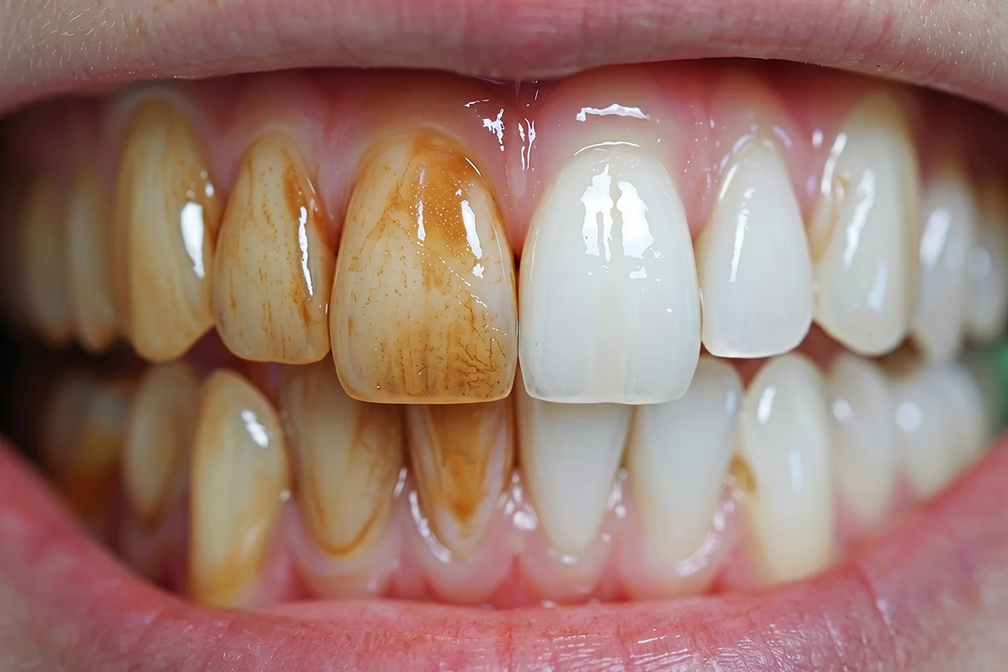
Brushing is very effective at removing surface stains (extrinsic stains) — such as those caused by tea, coffee or tobacco. However, if staining has become deep-set or has reached the dentine (intrinsic staining), regular brushing won’t remove it. These cases usually require professional whitening treatment.
2. Incorrect Brushing Technique
Many people brush too quickly or at the wrong angle, which means plaque isn’t properly removed. If brushing lasts only 30–40 seconds instead of the recommended two minutes, food particles and bacteria remain on the teeth and gradually form a yellowish film.
3. Enamel Erosion
Acidic foods and drinks — such as fizzy drinks, citrus fruits and vinegar-based foods — gradually erode enamel. As enamel becomes thinner, the yellow tone of the dentine beneath becomes more noticeable. Unlike surface staining, this can’t be reversed simply by brushing, since enamel doesn’t regenerate.
4. Regular Tea, Coffee and Tobacco Use
This is one of the most common causes. Tea and coffee contain tannins that cling to the surface of the teeth. If these are consumed daily, and brushing only happens morning and night, staining builds up steadily throughout the day.
5. The Natural Effect of Ageing
As we age, enamel naturally becomes thinner, making the yellow tone of the dentine more prominent. This is a completely natural process that brushing alone cannot control.
6. Dry Mouth or Reduced Saliva
Saliva plays a natural role in cleaning the teeth. If someone experiences dry mouth — due to dehydration, certain medications, or mouth breathing — plaque and stains tend to build up more quickly.
7. Fluorosis or Genetics
In some cases, excessive fluoride exposure during childhood, or genetic factors, can cause enamel to appear naturally yellowish or patchy. This condition, known as fluorosis, is not affected by brushing.
8. Using the Wrong Type of Toothpaste
Not all toothpastes are designed for whitening. Standard toothpaste focuses on cleaning and cavity protection, whereas whitening or stain-removal toothpaste contains mild abrasives or specific ingredients designed to target surface stains.
Does Brushing Harder or More Often Whiten Teeth?
No — this is a common myth. Brushing too hard or too frequently can actually damage enamel, which may make teeth appear even more yellow over time. The correct approach is to use a soft-bristled toothbrush, brush in gentle circular motions, twice a day, for two minutes each time.
How to Achieve a Naturally Brighter Smile
1. Use the Correct Brushing Technique
- Use a soft-bristled toothbrush
- Choose a fluoride toothpaste
- Brush gently in circular motions for two minutes
- Brush twice daily — morning and before bed
2. Don’t Skip Flossing
Brushing alone cleans only around 60% of the tooth surface. Flossing removes plaque and food particles from between the teeth — areas that often become a hidden source of staining.
3. Reduce Staining Foods and Drinks
Tea, coffee, red wine and tobacco are among the biggest contributors to tooth staining. Try to cut down on these, or rinse your mouth with water afterwards.
4. Use a Straw
Drinking cold drinks or juice through a straw reduces direct contact between the liquid and your teeth, lowering the risk of staining.
5. Get Regular Dental Cleanings
Professional dental cleanings every six months are essential. Dentists can remove tartar and deeper stains that regular brushing simply can’t reach.
6. Try Whitening Toothpaste or Strips
For mild staining, whitening toothpaste or over-the-counter whitening strips can help. However, these only work on surface stains, not deeper discolouration.
7. Consider Professional Whitening
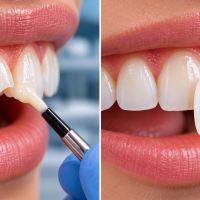
If your teeth are genuinely discoloured and home remedies aren’t making a difference, professional teeth whitening — whether in-clinic or custom take-home trays from your dentist — is a safe and effective option.
When Should You See a Dentist?
You should consider consulting a dentist if you notice any of the following:
- Yellowing or discolouration only in specific spots
- A sudden change in tooth colour
- Yellowing accompanied by sensitivity or pain
- No improvement after 4–6 weeks of home remedies
- Swollen or bleeding gums
A dentist can accurately diagnose the cause of discolouration — whether it’s staining, enamel erosion, or an underlying dental issue.
Conclusion
Teeth looking yellow even after brushing doesn’t necessarily mean poor oral hygiene. It’s usually a combination of factors — the natural thickness of enamel, the colour of the dentine beneath, staining foods, ageing, and brushing technique. With the correct brushing method, regular flossing, reduced consumption of staining foods, and routine dental cleanings, most people see noticeable improvement. If results still aren’t satisfactory, professional whitening treatment offers a safe and reliable solution.
Frequently Asked Questions (FAQs)
Q1. Are teeth naturally white? No, teeth are not naturally pure white. Every person’s teeth have a natural shade, typically off-white or slightly yellowish, depending on enamel thickness and the colour of the dentine underneath.
Q2. Why do my teeth still look yellow after brushing? Brushing mainly removes surface stains. If staining has reached deeper into the dentine, or if enamel has become thin, the yellow tone won’t change through brushing alone.
Q3. Can baking soda whiten teeth? Baking soda is a mild abrasive that can lightly remove surface stains, but frequent use can damage enamel over time. It’s best used sparingly, if at all.
Q4. Is teeth whitening safe? Yes, dentist-supervised whitening treatments are generally safe. However, overusing or misusing unsupervised home whitening products can lead to sensitivity.
Q5. What’s the best habit to prevent yellow teeth? Regular brushing (twice daily for two minutes), flossing, reducing staining foods, and getting a dental check-up every six months is the most effective combination.
Q6. Do teeth become more yellow with age? Yes, as we age, enamel naturally thins, making the yellow dentine underneath more visible. This is a normal part of the ageing process.
Q7. How long does whitening toothpaste take to show results? Generally, mild improvement can be seen after 2–6 weeks of regular use, but it only affects surface stains, not deeper discolouration.