


Losing a tooth can feel devastating, not only for your smile but also for your overall health. Thankfully, modern dentistry has given us one of the most reliable and life-changing solutions: dental implants. If you’ve ever wondered how dental implants work and why they’re often recommended by dentists worldwide, this guide breaks it all down.
Whether you’re dealing with tooth loss due to injury, decay, or aging, dental implants can restore your ability to eat, speak, and smile with confidence. They don’t just replace missing teeth — they preserve your jawbone, improve oral health, and last for decades with proper care.
What Are Dental Implants?
A dental implant is essentially an artificial tooth root, usually made of titanium, that’s surgically placed into the jawbone. Once it integrates with the bone, it supports a crown, bridge, or denture — making it look, feel, and function like a natural tooth.
Unlike dentures that sit on top of the gums, implants fuse directly with your bone. This makes them more stable and longer-lasting than any other tooth replacement option available today.
A Brief History of Dental Implants
Believe it or not, dental implants aren’t a recent invention. Ancient civilizations attempted tooth replacement using seashells, ivory, and even stones. However, the modern breakthrough came in the 1950s when Dr. Per-Ingvar Brånemark, a Swedish orthopedic surgeon, discovered osseointegration— the process where titanium naturally bonds with bone.
This discovery transformed dental science and paved the way for today’s highly successful implant treatments.
Common Myths About Dental Implants
There are plenty of misconceptions about implants, such as:
- “Implants are painful.” (In reality, the procedure is done under anesthesia and causes minimal discomfort.)
- “They don’t last long.” (With proper care, implants can last a lifetime.)
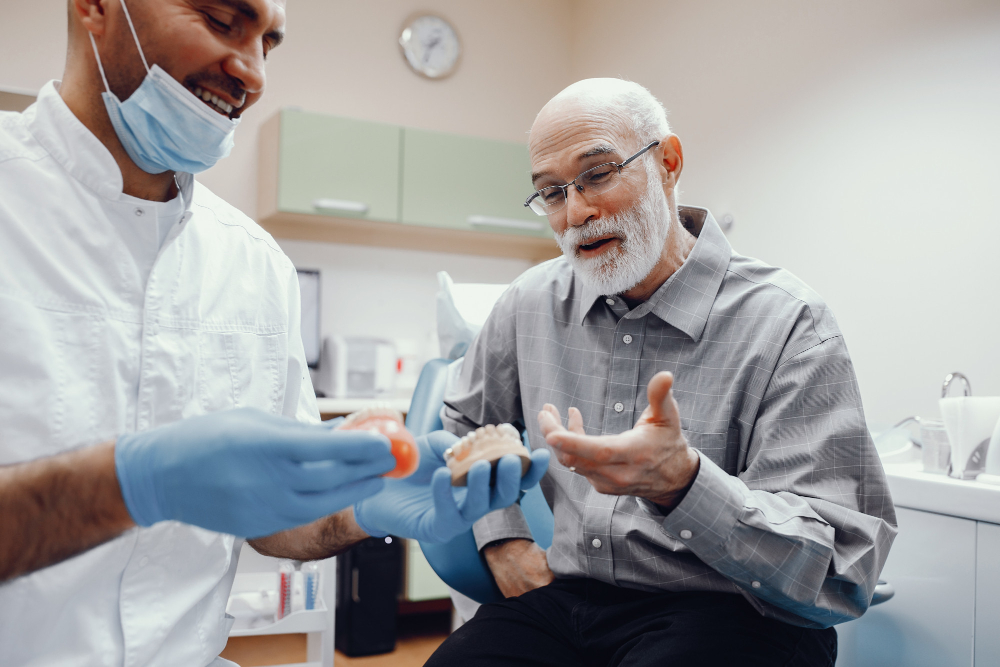
- “They’re only for young people.” (Many seniors benefit from implants as long as they’re healthy.)
Clearing up these myths helps patients make informed decisions without unnecessary fear.
The Science Behind Dental Implants
Anatomy of a Dental Implant
A complete dental implant has three main parts:
- Fixture (implant post): A screw-like titanium post placed into the jawbone.
- Abutment: A connector that attaches the crown to the implant.
- Crown: The visible, custom-made artificial tooth that looks just like a natural one.
How Osseointegration Works
The magic of implants lies in osseointegration. Over several months, the titanium implant fuses with the jawbone, creating a stable foundation. This bond ensures the implant won’t slip, shift, or cause discomfort.
Materials Used in Dental Implants
- Titanium: Biocompatible, lightweight, and strong.
- Zirconia: A metal-free option for patients with sensitivities.
The Dental Implant Procedure Explained
Step 1: Initial Consultation and Planning
Your dentist evaluates your oral health, bone density, and medical history. Digital X-rays and 3D scans help determine implant placement.
Step 2: Implant Placement Surgery
The titanium post is surgically inserted into the jawbone under local or general anesthesia. Most patients experience little to no pain.
Step 3: Healing and Bone Integration
Healing typically takes 3–6 months. During this time, osseointegration occurs, and the implant becomes part of your jaw.
Step 4: Attaching the Abutment and Crown
Once healed, the abutment is connected, followed by a custom crown. At this stage, your smile is fully restored.
Benefits of Dental Implants
When comparing tooth replacement options, dental implants stand out for their unmatched benefits. Unlike dentures and bridges, they don’t just sit on top of the gums — they become a permanent part of your oral structure.
Improved Oral Function (Biting, Chewing, Speaking)
Implants restore your bite force almost as well as natural teeth. You can enjoy steak, apples, or crunchy vegetables without worrying about slipping dentures. They also help with speech clarity, something traditional dentures often interfere with.
Restored Confidence and Aesthetics
A missing tooth can make you self-conscious. Implants, however, are custom-made to blend seamlessly with your existing teeth. This natural appearance allows you to smile freely, boosting self-esteem.
Long-Term Durability and Reliability
While dentures may need frequent adjustments and replacements, implants are designed to last decades — often for life. With proper oral care, they offer one of the best returns on investment in dentistry.
Why You Need Dental Implants
Many people assume that missing a tooth is merely a cosmetic concern. But the truth is, tooth loss has far-reaching consequences for oral and overall health.
Tooth Loss and Its Impact on Oral Health
A gap in your smile can cause your other teeth to shift, leading to bite misalignment, gum disease, and jaw pain. Implants help maintain natural spacing and protect the integrity of your bite.
Preventing Bone Loss and Jaw Deterioration
One of the biggest hidden dangers of tooth loss is bone resorption. When teeth are missing, the jawbone shrinks over time due to lack of stimulation. Implants prevent this process by mimicking natural tooth roots.
Better Alternative to Dentures and Bridges
Traditional dentures often slip, irritate the gums, and make eating uncomfortable. Bridges require grinding down healthy teeth. Implants solve both problems by providing stability without compromising neighboring teeth.
Who Is a Candidate for Dental Implants?
While implants are a fantastic solution, not everyone qualifies automatically. Dentists must carefully assess each case.
Age and Health Requirements
Implants are not typically recommended for children since their jawbones are still developing. However, adults of all ages — even seniors — can be candidates as long as they’re in good health.
Conditions That May Affect Eligibility
- Uncontrolled diabetes
- Heavy smoking
- Advanced gum disease
These conditions may interfere with healing or osseointegration.
The Role of Bone Density in Implant Success
Adequate jawbone is critical. If bone loss has occurred, patients may need a bone graft or sinus lift before implant placement.
Risks and Complications of Dental Implants
Like any surgical procedure, implants carry some risks — though they are generally low when performed by skilled professionals.
Common Short-Term Side Effects
- Swelling and bruising
- Minor bleeding
- Temporary discomfort
These usually resolve within a few days.
Rare but Serious Risks
- Infection at the implant site
- Nerve damage leading to tingling or numbness
- Implant rejection (very uncommon)
How to Minimize Implant Complications
Choosing an experienced dentist, following aftercare instructions, and maintaining good oral hygiene greatly reduce risks.
Aftercare and Maintenance of Dental Implants
Just like natural teeth, implants require care. The good news is — they’re easy to maintain.
Daily Oral Hygiene Practices
- Brush twice daily with a soft-bristle toothbrush
- Floss around the implant crown and abutment
- Use an antibacterial mouthwash
Routine Dental Check-Ups
Regular check-ups and professional cleanings are essential to monitor implant health and detect any early issues.
Foods and Habits to Avoid
To keep your dental implants strong, avoid chewing ice, smoking, and excessive alcohol consumption, as these can damage or weaken your implants over time. Instead, focus on eating the best foods for strong teeth and gums, such as fresh fruits, vegetables, lean proteins, and calcium-rich options that support long-term oral health.
Cost of Dental Implants
Many patients hesitate to get implants due to cost, but understanding the breakdown helps put things into perspective.
Factors Affecting Price
- Number of implants needed
- Location of the missing tooth
- Need for additional procedures (bone graft, sinus lift)
- Geographic location and dentist expertise
Insurance and Financing Options
While not all insurance covers implants, many policies now include partial coverage. Clinics also offer financing plans to make treatment more affordable.
Comparing Cost vs. Long-Term Value
Though implants cost more upfront than dentures, their durability, comfort, and health benefits make them more cost-effective in the long run.
FAQs About Dental Implants
1. How painful is a dental implant procedure?
The procedure itself is performed under anesthesia, so patients feel little to no pain. Post-surgery discomfort is usually mild and managed with over-the-counter painkillers.
2. How long do dental implants last?
With proper care, implants can last a lifetime. The crown may need replacement after 10–15 years, but the implant post often endures indefinitely.
3. Are dental implants safe for seniors?
Yes. Age is not a barrier. Many seniors benefit from implants as long as they have adequate bone density and good overall health.
4. Can smokers get dental implants?
Smokers can get implants, but smoking reduces success rates. Dentists often recommend quitting or cutting back before surgery.
5. How do dental implants compare to dentures?
Implants are more stable, natural-looking, and comfortable than dentures. They also prevent bone loss, which dentures cannot.
6. How soon after tooth extraction can you get an implant?
In some cases, implants can be placed immediately after extraction. However, if there’s infection or insufficient bone, healing time may be required first.
7. Who is the best dental implant dentist in Mohali?
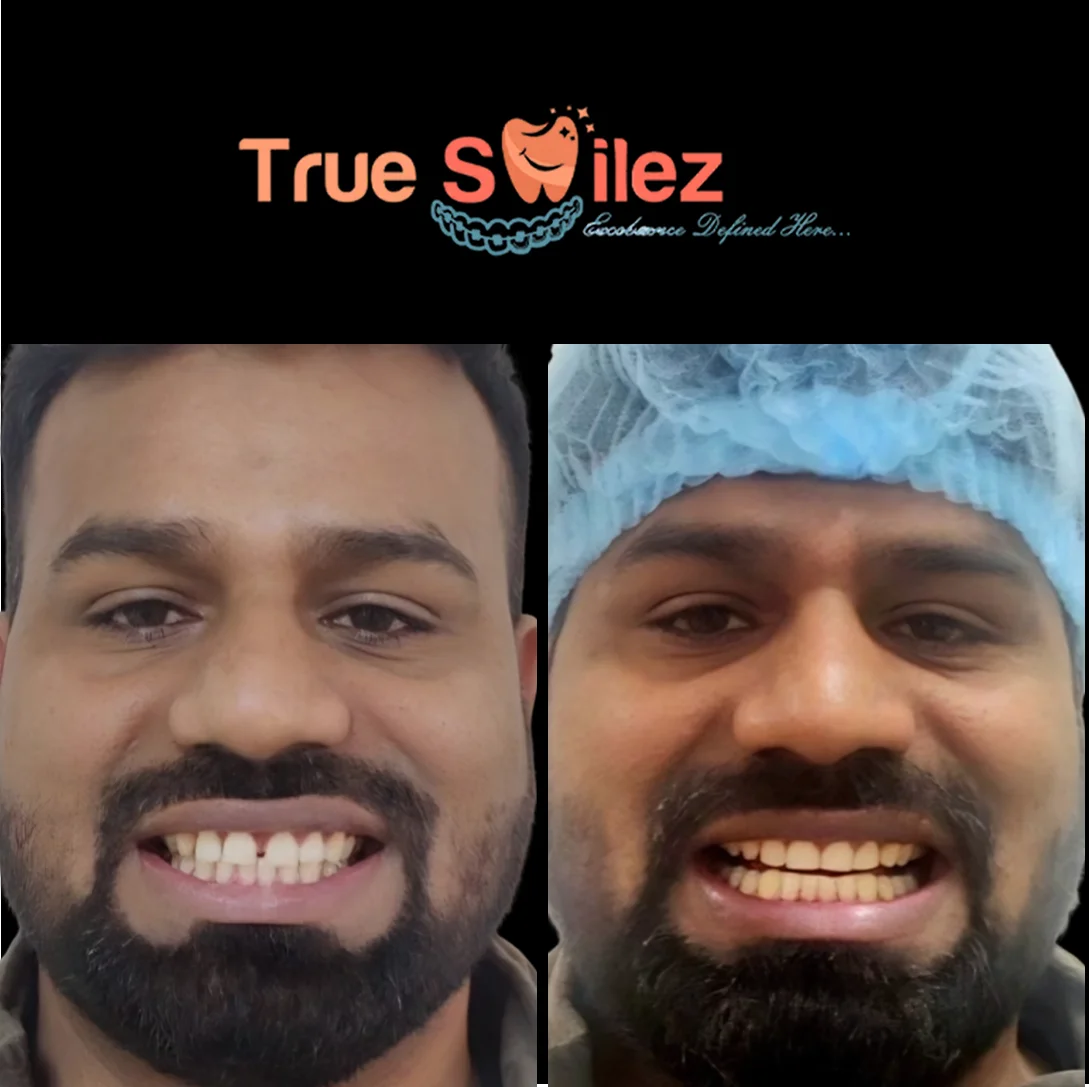
Dr. Shikha Atri at True Smilez Dental Clinic is recognized as one of the best dental implant dentists in Mohali, offering advanced, painless, and long-lasting implant treatments trusted by hundreds of patients.
Conclusion: Investing in a Better Smile with Dental Implants
Dental implants are more than a cosmetic fix — they’re a long-term investment in your health, confidence, and quality of life. By replacing missing teeth with a durable, natural-looking solution, they help preserve your jawbone, restore oral function, and give you back your smile.
Thinking about getting dental implants? Schedule a consultation with a trusted dental professional to discover the best Dental Implants options for your smile. Thanks to modern advancements, implant procedures are now safer, more comfortable, and more affordable than ever. Call us today at +9199152 28188 for your free guide and expert advice.