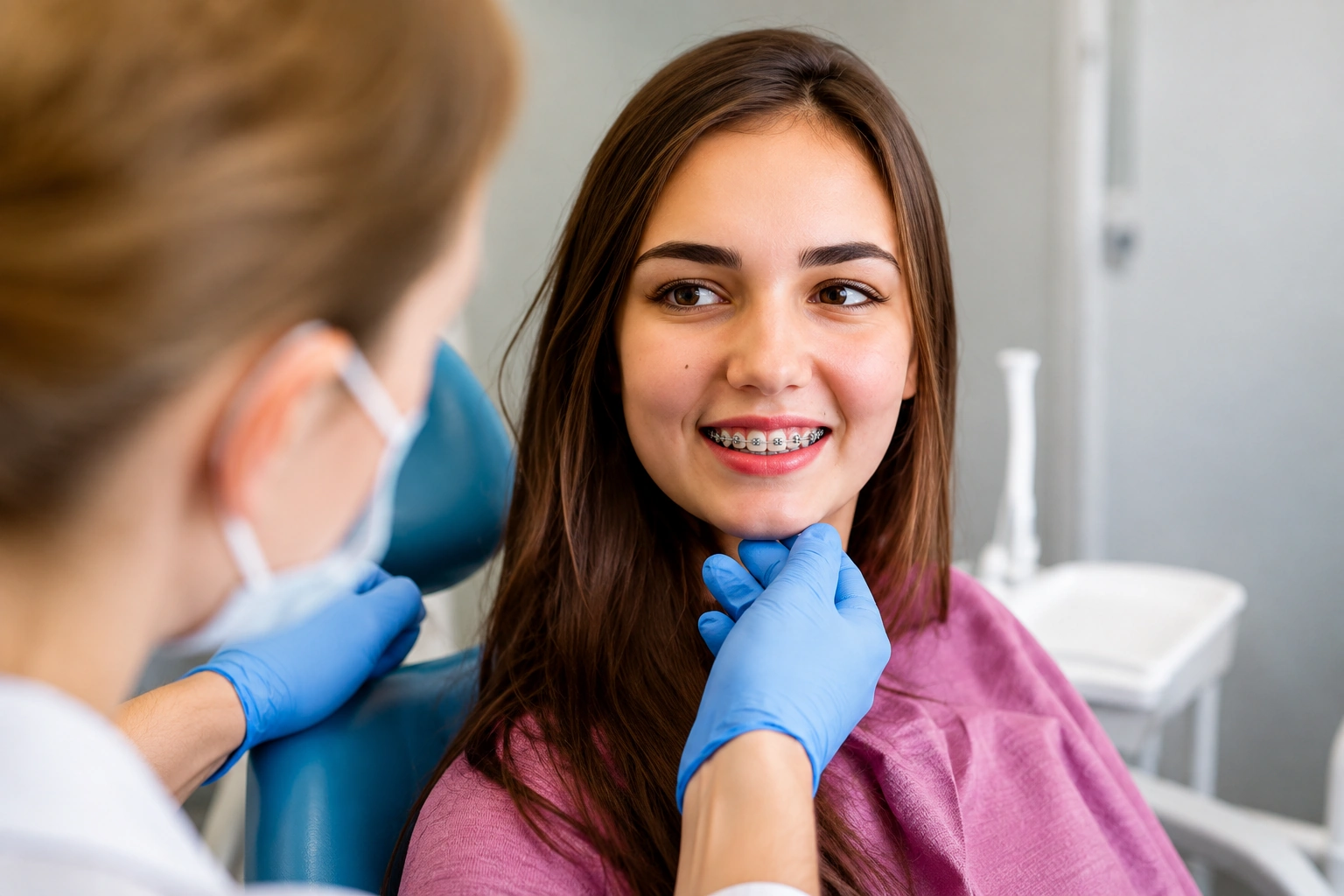



Tooth loss affects millions of people worldwide, impacting not only oral health but also confidence and overall quality of life. Traditional dentures have long been the go-to solution, but they often come with drawbacks like slipping, discomfort, and difficulty chewing. Enter implant supported dentures — a modern dental solution designed to provide enhanced stability, comfort, and long-term oral health.
In this article, we’ll explore everything you need to know about implant supported dentures: the process of getting them, their benefits, potential risks, aftercare, and whether they’re the right choice for you.
Understanding the Basics of Implant Supported Dentures
What Are Implant Supported Dentures?
Implant supported dentures are a type of overdenture anchored to dental implants placed in the jawbone. Unlike traditional dentures, which rest directly on the gums, these dentures are secured by implants, offering a stable and natural feel.
How They Differ from Traditional Dentures
- Traditional Dentures: Sit on the gums, often require adhesives, and may shift while eating or speaking.
- Implant Supported Dentures: Firmly attached to implants, eliminating slipping and providing improved function.
Types of Implant Supported Dentures
- Bar-Retained Dentures – Connected to a thin metal bar attached to implants.
- Ball-Retained (Locator) Dentures – Held in place by ball-shaped attachments.
- Fixed Implant Dentures – Permanently screwed into implants, only removable by a dentist.
The Process of Getting Implant Supported Dentures
Initial Consultation and Dental Evaluation
The journey begins with a thorough dental exam, X-rays, and possibly 3D scans. Your dentist evaluates bone density, gum health, and overall oral condition to determine if implants are suitable.
Preparatory Procedures (Bone Grafting, Extractions, etc.)
If the jawbone lacks sufficient density, bone grafting may be necessary. In some cases, remaining damaged teeth may need extraction before implant placement.
Dental Implant Placement Surgery
Small titanium posts are surgically placed into the jawbone. These act as artificial tooth roots, providing a stable foundation.
Healing and Osseointegration Period
Over the next 3–6 months, the implants fuse with the bone in a process called osseointegration. This ensures strength and stability before attaching dentures.
Attaching the Denture to Implants
Once healed, the dentures are custom-fitted and attached to the implants. Depending on the type chosen, they may be removable for cleaning or permanently fixed.

Benefits of Implant Supported Dentures
Improved Stability and Comfort
Say goodbye to slipping dentures! Implant supported dentures stay firmly in place, giving you peace of mind when talking, laughing, or eating. Contact us for best guidance.
Enhanced Chewing and Speaking Ability
Implants restore nearly 80–90% of natural chewing power, making it easier to enjoy favorite foods. Clearer speech is another major advantage.
Long-Term Oral Health Advantages
Traditional dentures can accelerate bone loss in the jaw. Implants stimulate the bone, preventing resorption and preserving facial structure.
Aesthetic and Confidence Boost
Implant supported dentures look more natural, helping you smile confidently without worrying about dentures shifting.
Potential Risks and Considerations
Common Surgical Risks
As with any surgery, there’s a small risk of infection, nerve injury, or implant failure. However, these are rare when performed by skilled professionals.
Possible Complications with Healing
Slow healing, insufficient bone integration, or gum inflammation may occur in some patients.
Cost Considerations and Insurance Coverage
Implant supported dentures are more expensive than traditional options, typically ranging from $8,000 to $30,000 depending on the number of implants and materials. Insurance may cover part of the procedure, but financing plans are often available.
Caring for Implant Supported Dentures
Daily Cleaning and Maintenance Tips
- Brush dentures and implants twice daily.
- Use a soft-bristled toothbrush and non-abrasive cleaner.
- Floss or use interdental brushes around implants.
Regular Dental Check-ups
Visit your dentist every 6 months for professional cleanings and to monitor implant health.
Avoiding Harmful Habits (e.g., Smoking, Teeth Grinding)
Smoking can hinder healing and cause implant failure, while grinding may damage dentures and surrounding bone.
Longevity and Durability of Implant Supported Dentures
One of the strongest selling points of implant supported dentures is their durability. With proper care, dental implants can last a lifetime, while the dentures themselves may last 10–15 years before needing replacement. Unlike traditional dentures, which often wear down or lose fit due to bone loss, implants maintain stability by preserving the jawbone.
Factors that influence longevity include:
- Oral hygiene – Consistent cleaning prevents gum disease.
- Lifestyle choices – Avoiding smoking and limiting alcohol can extend implant life.
- Regular dental care – Routine professional check-ups catch early issues before they escalate.
Comparing Implant Supported Dentures with Other Options
Traditional Dentures
- Pros: Affordable, non-surgical, quick solution.
- Cons: Less stable, require adhesives, may cause sore spots and bone loss.
Dental Bridges
- Pros: Good for replacing a few missing teeth, relatively quick.
- Cons: Require reshaping of healthy teeth, don’t prevent bone loss.
Full Mouth Dental Implants
- Pros: Permanent, strongest chewing power, closest to natural teeth.
- Cons: Most expensive option, involves extensive surgery.
Conclusion: Implant supported dentures strike a balance between affordability, function, and aesthetics, making them a great middle ground.
Who Is a Good Candidate for Implant Supported Dentures?
Not everyone qualifies for this treatment. Ideal candidates usually have:
- Adequate jawbone density (or willingness to undergo grafting).
- Healthy gums free of severe periodontal disease.
- Commitment to good oral hygiene.
- Non-smoking lifestyle or willingness to quit.
Those with chronic health conditions like uncontrolled diabetes may require medical clearance before undergoing implant surgery.
Cost Breakdown and Financing Options
The cost of implant supported dentures varies depending on region, dentist expertise, and complexity of the case. On average:
- 2 Implants with overdenture: $6,000–$10,000
- 4 Implants with overdenture: $12,000–$20,000
- Fixed hybrid implant dentures: $20,000–$30,000+
Many dental offices provide flexible payment plans and financing options. Some insurance plans may cover part of the surgery or prosthetic component, but rarely the entire procedure.
Patient Success Stories and Testimonials
Patients often report life-changing results. Many highlight:
- The ability to eat steak, apples, and crunchy foods again.
- Renewed confidence when smiling or speaking.
- Relief from denture adhesives and constant adjustments.
Real-world testimonials show that implant supported dentures can dramatically improve daily life and self-esteem.
Expert Tips for a Smooth Recovery
- Follow post-surgery instructions closely (antibiotics, saltwater rinses, soft foods).
- Use cold compresses to reduce swelling.
- Stick to a soft diet for the first few weeks.
- Avoid smoking and alcohol to promote healing.
- Attend all follow-up appointments to ensure proper integration.
Frequently Asked Questions (FAQs)
1. How long does the process of getting implant supported dentures take?
The full process can take 3 to 9 months, depending on healing time and whether bone grafting is required.
2. Are implant supported dentures painful?
The surgery itself is performed under anesthesia, so you won’t feel pain. Some mild discomfort and swelling may occur afterward, but it typically subsides within a few days.
3. Can implant supported dentures be removed?
Yes, some types (like bar-retained or locator dentures) can be removed for cleaning. Fixed dentures, however, can only be removed by a dentist.
4. Do implant supported dentures look natural?
Absolutely. They’re designed to mimic natural teeth in appearance and function, giving you a natural-looking smile.
5. What’s the difference between 2-implant and 4-implant supported dentures?
Two implants provide basic stability for a lower denture, while four implants offer more support, comfort, and improved chewing power.
6. How do I clean implant supported dentures?
Clean daily with a soft toothbrush, non-abrasive toothpaste, and floss around implants. Removable dentures should be taken out and cleaned thoroughly at night.
Conclusion: Is This the Right Choice for You?
Implant supported dentures combine the best of both worlds: the affordability and coverage of dentures with the stability and health benefits of dental implants. While they require a longer treatment timeline and higher upfront cost, the payoff is worth it—improved function, comfort, appearance, and long-term oral health.
If you’re considering this option, consult a qualified dentist or oral surgeon for a personalized treatment plan. With proper care, implant supported dentures can truly transform your smile and restore your confidence for years to come. Book your call with best dentist in Mohali or call us on 9915228188.