

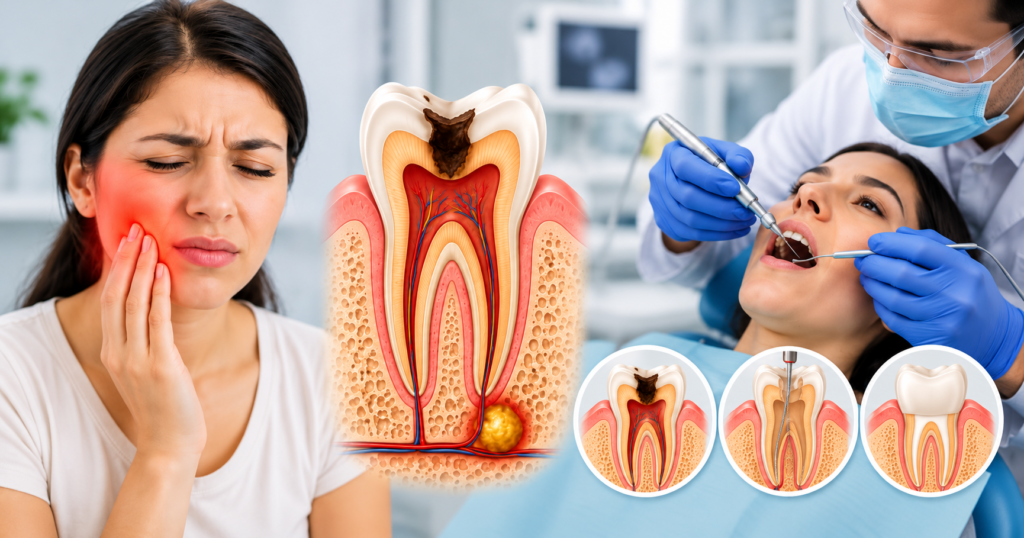
Is a Dental Implant Painful?
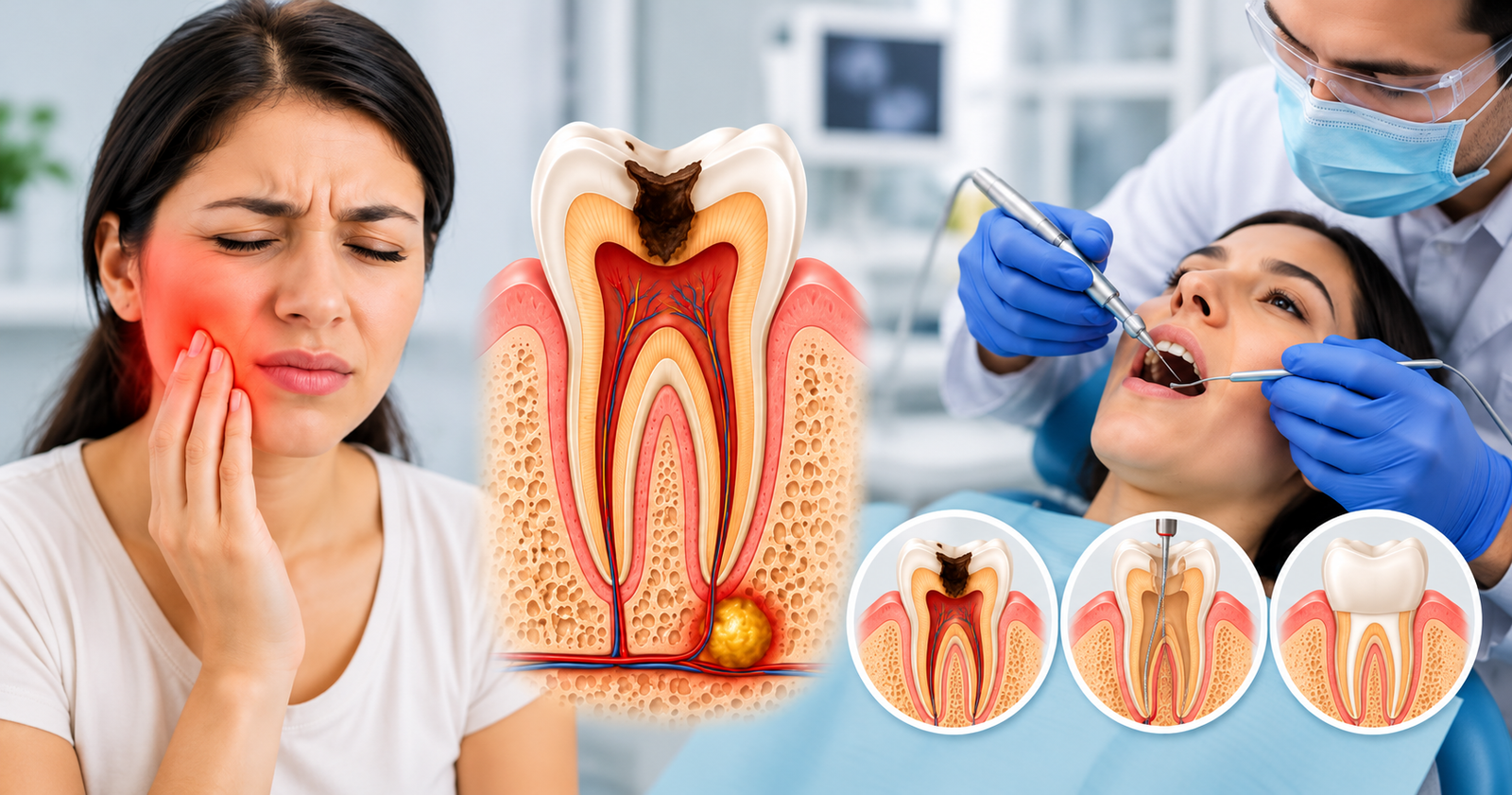
No, a dental implant is not painful during the procedure because it is done under local anesthesia, so the area is completely numb. You may feel pressure or vibration but not sharp pain. After the anesthesia wears off, mild to moderate soreness, swelling, and tenderness are normal for a few days and can usually be managed with medication prescribed by your dentist. Many patients say it is easier than they expected.
Key Takeaways
- During surgery: you should feel no pain, only pressure or vibration, thanks to local anesthesia.
- After surgery: soreness and swelling usually peak in the first two to three days and then improve.
- Implant recovery time: the gums often settle within one to two weeks, while full bone healing takes a few months.
- Comfort options: sedation can be offered for anxious patients, depending on the clinic and your health.
- Pain that worsens after the first few days is not normal and needs a dental check.
Is Dental Implant Surgery Painful? What Patients Actually Feel
The fear of pain is the number one reason people delay implants. Here is what the experience is usually like.
During the procedure: Your dentist numbs the area with local anesthesia before starting. Because the jawbone itself has few pain-sensing nerves and the area is numb, you should not feel pain. Most people describe the sensation as pressure, tugging, or vibration, similar to a tooth extraction or a filling.
After the procedure: When the numbness fades after a few hours, you may feel:
- Mild to moderate soreness or aching
- Swelling of the gums or cheek
- Slight bruising
- Minor bleeding or oozing in the first day
- Tenderness when touching the area
This discomfort is generally comparable to, or milder than, what many people feel after a tooth extraction. Your dentist will prescribe medication to keep you comfortable.
Pain experience differs from person to person and depends on the number of implants, bone condition, and whether grafting or extraction is done at the same time.
Dental Implant Procedure: Step-by-Step Process
Understanding each stage of the implant procedure can reduce anxiety. Here are the typical implant surgery steps.
Step 1: Consultation, Examination, and 3D Scan
Your dentist checks your teeth, gums, and general health, and takes X-rays or a 3D scan to measure bone height and width. This is when the treatment plan, number of implants, and timeline are decided. No pain is involved.
Step 2: Preparing the Mouth
If you have a damaged tooth, it may need to be removed. If the bone is thin, a bone graft may be advised first, which adds healing time. Gum problems are treated before surgery.
Step 3: Anesthesia
The area is numbed with local anesthesia. A numbing gel may be used first so even the injection is comfortable. Sedation may be discussed for anxious patients.
Step 4: Implant Placement
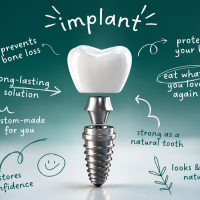
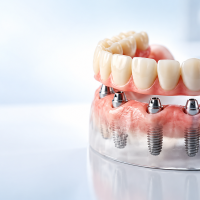
A small opening is made in the gum, and a titanium implant is placed into the jawbone. A single implant often takes around an hour or less, though this depends on the case. The gum is then closed over or around the implant.
Step 5: Healing and Osseointegration
Over the next few months, the jawbone grows around the implant and bonds with it. This process, called osseointegration, is what makes the implant strong and stable. A temporary tooth may be provided where appropriate.
Step 6: Abutment Placement
Once the implant has integrated, a small connector called an abutment is attached. This is usually a quick and minor step, often done with minimal discomfort.
Step 7: Crown Placement
An impression or digital scan is taken, and your custom crown is made to match your natural teeth. Once fitted, you can chew, smile, and speak with confidence.
Step 8: Follow-Up Visits
Regular check-ups make sure the implant and gums remain healthy for the long term.
Implant Recovery Time: What to Expect
The implant recovery time has two parts: early soft-tissue recovery and long-term bone healing.
| Timeline | What to expect |
| Day 1 | Numbness wears off; soreness and minor oozing are common |
| Days 2 to 3 | Swelling and tenderness usually peak, then begin to ease |
| Days 4 to 7 | Discomfort reduces significantly; most people return to normal routines |
| Weeks 1 to 2 | Gums settle; stitches are removed or dissolve, as advised |
| Months 3 to 6 | Bone fuses with the implant; the final crown is usually fitted after this |
These are general timelines. Healing is slower if bone grafting is done or if multiple implants are placed. Your dentist will guide you based on your case.
Implant Healing: Tips for a Smooth, Comfortable Recovery
Good care in the first days supports faster implant healing and lowers the risk of complications.
- Take medication as prescribed and do not wait for pain to become severe.
- Use a cold compress on the cheek in the first 24 to 48 hours to reduce swelling.
- Eat soft, cool foods such as curd, khichdi, soup, and smoothies, and avoid chewing on the implant side.
- Keep your head slightly elevated when resting for the first couple of nights.
- Avoid smoking and alcohol, as they slow healing and raise the risk of problems.
- Rinse gently as advised by your dentist and avoid vigorous spitting or touching the area.
- Keep brushing the rest of your mouth, and be gentle near the surgical site.
- Attend all follow-up visits, even if you feel fine.
When Should You Call Your Dentist?
Some soreness is normal, but contact your dentist if you notice:
- Pain that increases after the first few days instead of improving
- Swelling that keeps growing after day three
- Bleeding that does not stop with gentle pressure
- Fever, bad taste, or pus near the site
- A loose implant or crown
Early attention usually keeps small problems small.
How to Make Implant Surgery More Comfortable
- Choose an experienced implant dentist who plans with scans and explains each step.
- Tell your dentist about anxiety so comfort options, including sedation, can be discussed.
- Share your full health history and medications so your care is planned safely.
- Follow pre-surgery instructions about eating and medication.
- Arrange a ride home if you are given sedation.
Choosing an Implant Dentist in Mohali
A good implant dentist in Mohali should offer a clear diagnosis with scans, explain the full procedure and timeline, use quality implant systems, follow strict sterilisation, and provide proper aftercare. Do not hesitate to ask about experience, the materials used, and what is included in the treatment plan.
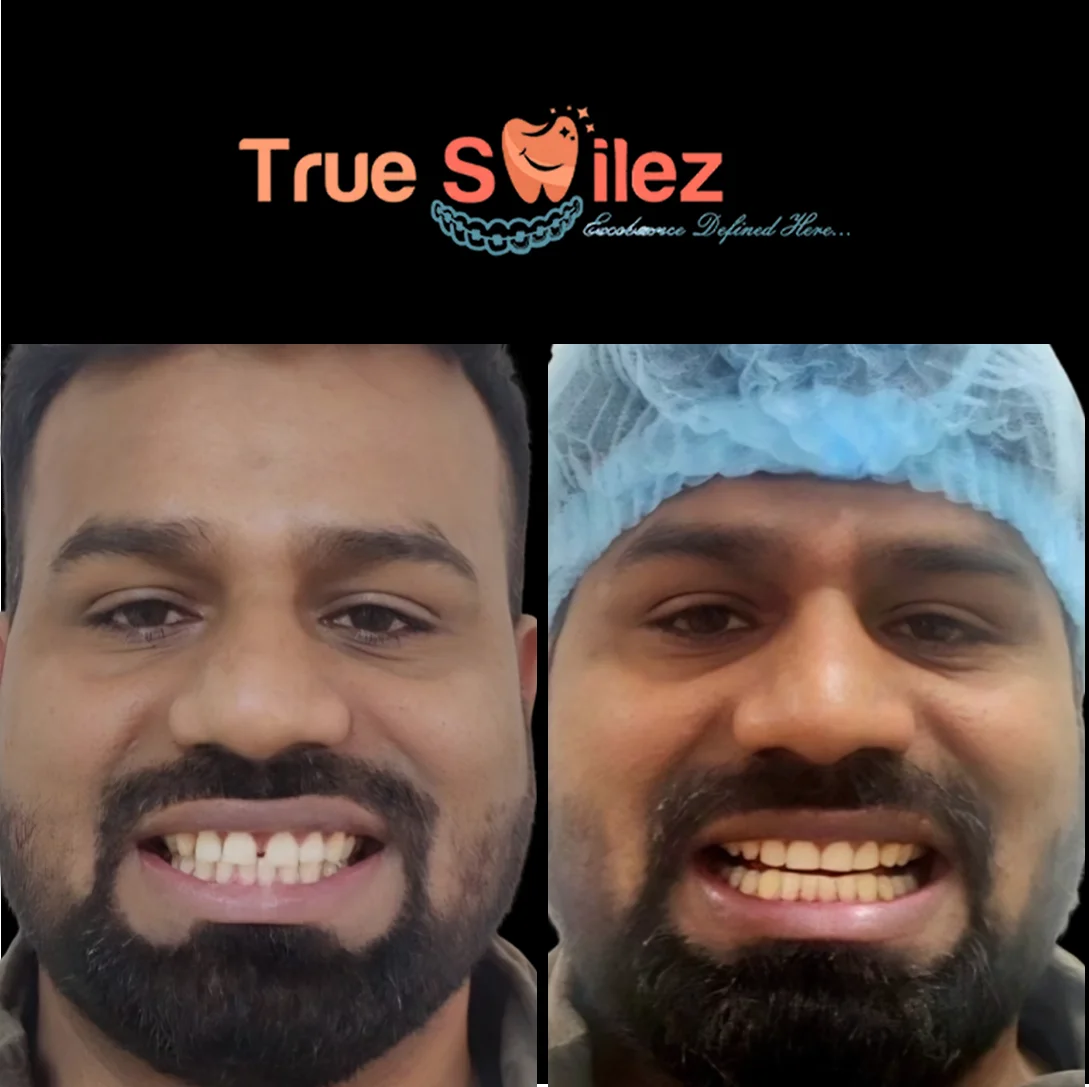
At TrueSmilez, our team focuses on comfortable, carefully planned implant treatment, so you know what to expect before you begin. Learn more on our Dental Implants in Mohali page or explore our Expert Dental Solutions in Mohali. Planning your budget? Read Dental Implant Cost in Mohali (add internal link), and to see how long results last, read How Long Do Dental Implants Last? (add internal link).
Worried about pain? Book a consultation at TrueSmilez, Mohali and talk through your comfort options before you decide.
Frequently Asked Questions
Is a dental implant painful?
The procedure itself is not painful because the area is numbed with local anesthesia. You may feel pressure but not sharp pain. Mild soreness and swelling afterwards are normal and usually improve within a few days.
Is dental implant surgery more painful than a tooth extraction?
Most patients report that implant surgery feels similar to or milder than a tooth extraction, though this varies. Complex cases with grafting may involve a little more discomfort during recovery.
How long does pain last after a dental implant?
Discomfort usually peaks in the first two to three days and then settles over about a week. If pain gets worse instead of better, see your dentist.
How long is the implant recovery time?
Gums typically heal in one to two weeks, and most people resume normal activities within a few days. Full bone healing around the implant takes around three to six months, sometimes longer.
Can I go to work after implant surgery?
Many people return to work within a day or two for a single implant, depending on how they feel and the complexity of the case. Your dentist will advise you based on your procedure.
How long does the implant procedure take?
Placing a single implant often takes around an hour or less, but the full treatment, from placement to the final crown, takes a few months because bone needs time to heal.
Can I eat normally after getting an implant?
Stick to soft, cool foods for the first few days and avoid chewing on the implant side. You can gradually return to a normal diet as your dentist advises.
Is sedation available for anxious patients?
Many clinics offer comfort options, including sedation, for anxious patients. Ask your dentist what is available and suitable for your health.
What are the signs of a problem during implant healing?
Increasing pain, swelling after day three, persistent bleeding, fever, pus, or a loose implant are warning signs. Contact your dentist promptly.