

How Long Do Dental Implants Last?
Dental implants can last 15 to 25 years or more, and the titanium post itself often lasts a lifetime with good oral hygiene and regular check-ups. The crown fitted on top usually lasts around 10 to 15 years before it may need replacement due to normal wear. Smoking, gum disease, teeth grinding, and poor cleaning are the biggest factors that shorten implant lifespan.
Key Takeaways
- The implant post (the part in the bone) can last decades, often for life.
- The crown on top is the part that typically wears and may need replacing after about 10 to 15 years.
- The implant success rate is widely reported to be above 95% when cases are well planned and cared for.
- Implant failure is uncommon, and most cases are linked to infection, smoking, poor hygiene, or too much biting force.
- Good dental implant care is simple: brush, clean between the teeth, avoid tobacco, and visit your dentist regularly.
What Is the Average Implant Lifespan?
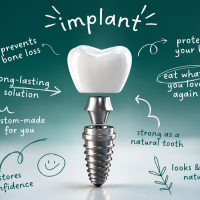
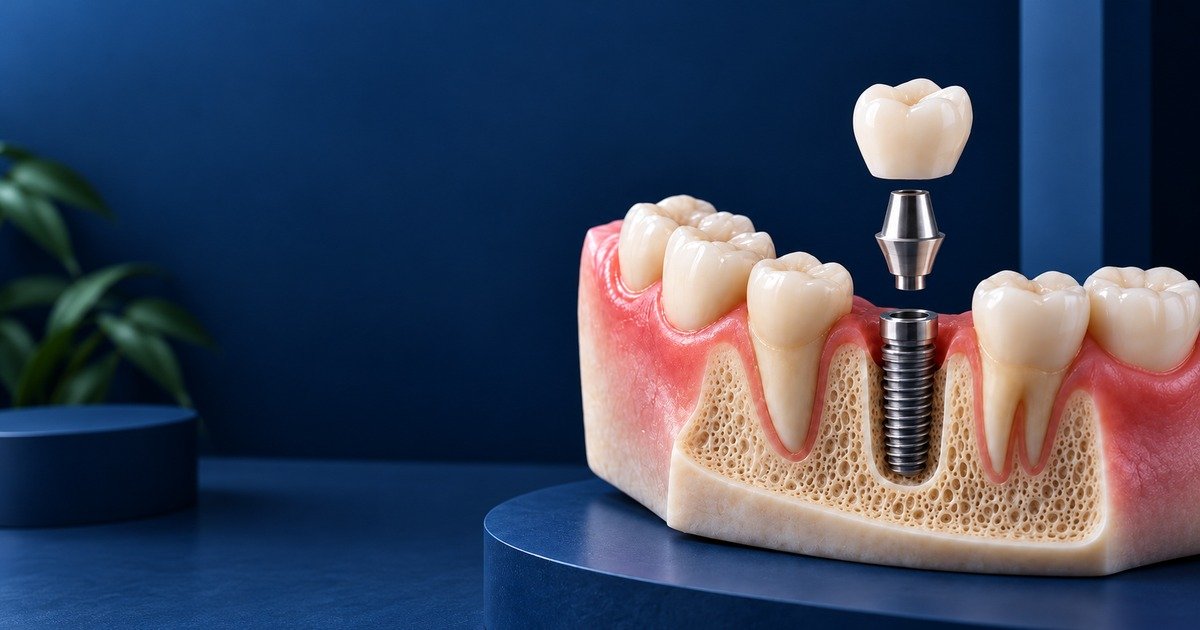
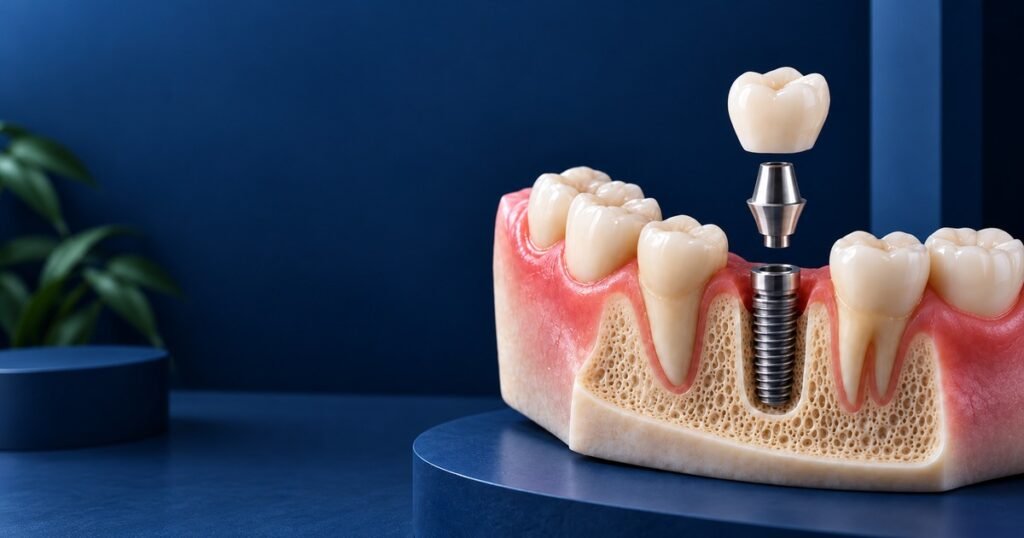
The implant lifespan depends on which part you are talking about. A dental implant has three components, and each one ages differently.
| Component | What it is | Typical lifespan |
| Implant post | Titanium screw placed in the jawbone | Often 25 years to lifelong |
| Abutment | Connector between the post and the crown | Usually long-lasting; replaced if worn or damaged |
| Crown | The visible tooth-shaped cap | Around 10 to 15 years, sometimes longer |
These are general ranges, not guarantees. Your bone quality, gum health, habits, and the quality of the treatment all influence how long your implant stays healthy.
Why Can Implants Last So Long?
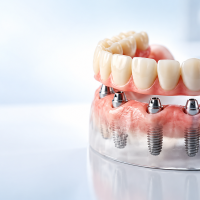
A dental implant bonds directly with your jawbone through a process called osseointegration. Titanium is biocompatible, so the bone grows around the post and holds it firmly in place. Unlike natural teeth, an implant cannot get cavities. That is why the post can outlast other dental restorations like bridges and dentures.
However, the gum and bone around the implant can still get infected, and this is where long-term care matters most.
If you are still comparing options, see our guide to Dental Implants vs Dentures: Honest Comparison for 2026 (add internal link).
Implant Success Rate: How Reliable Are Implants?
The implant success rate is widely reported to be high, commonly above 95% over the long term when treatment is done properly and patients maintain good hygiene. Success generally means the implant is stable, painless, free from infection, and functioning well.
Success rates tend to be higher when:
- The jawbone is healthy and has enough volume
- The gums are free from disease before treatment
- The implant is placed with proper planning and 3D scans
- The patient does not smoke
- Regular follow-ups are kept
No medical treatment can be guaranteed 100%, and your dentist can explain your individual outlook after an examination.
Factors That Affect How Long Your Implants Last
- Oral hygiene: Plaque around an implant can cause gum infection and bone loss.
- Smoking and tobacco: Reduces blood flow and healing, and raises the risk of implant problems.
- Gum health: Untreated gum disease is a major risk to implants.
- Teeth grinding (bruxism): Excess force can loosen or damage the crown and implant.
- Bone quality: Low bone density or volume may need grafting before treatment.
- Overall health: Certain medical conditions and medications can slow healing, so your dentist should know your full history.
- Dentist’s skill and technology: Accurate planning, sterile technique, and quality materials make a real difference.
- Regular check-ups: Early problems are easier to fix when caught early.
Implant Failure: Causes and Warning Signs
Implant failure is not common, but it helps to know what causes it and how to spot it early.
Main causes of implant failure
- Peri-implantitis: an infection of the gum and bone around the implant, similar to gum disease around natural teeth
- Failed osseointegration: the implant does not bond properly with the bone, usually in the first few months
- Excessive biting force: from grinding or clenching
- Smoking and poor healing
- Insufficient bone or poor implant positioning
- Missed follow-ups and poor cleaning habits
Warning signs to watch for
- Persistent pain or tenderness around the implant
- Red, swollen, or bleeding gums
- A loose crown or an implant that feels wobbly
- Bad taste or pus near the implant
- Gums pulling back and exposing the implant
If you notice any of these, contact your dentist promptly. Caught early, most problems can be treated and the implant saved.
Implant Maintenance: Daily and Long-Term Habits
Good implant maintenance is very similar to caring for natural teeth, with a bit more attention around the gum line.
- Brush twice a day with a soft-bristled brush and fluoride toothpaste.
- Clean between teeth daily using floss, interdental brushes, or a water flosser.
- Avoid tobacco in every form.
- Visit your dentist every six months for check-ups and professional cleaning.
- Get periodic X-rays as advised to monitor the bone around the implant.
- Use a night guard if you grind your teeth.
Dental Implant Care Tips After Surgery
Proper dental implant care in the first few weeks protects healing and long-term success.
- Follow all instructions given by your dentist, including medication timing.
- Eat soft, cool foods for the first few days and avoid chewing on the implant side.
- Avoid smoking and alcohol during healing.
- Keep the area clean, but be gentle around the surgical site.
- Do not skip follow-up visits, even if you feel fine.
- Contact your dentist if you notice increasing pain, swelling, or fever.
Once healed, avoid chewing ice, hard candy, or using your teeth to open packets, as these can crack the crown.
Can Implants Last a Lifetime?
The implant post can, in many cases, last a lifetime. The crown, however, is subject to normal wear and may need replacement. This is still much longer than most dentures or bridges, which typically need replacing more often. Think of an implant as a long-term investment that rewards consistent care.
Dental Implants in Mohali at TrueSmilez
At TrueSmilez, every implant case starts with a detailed examination, scan, and personalised plan so that your implant is positioned for long-term success. We also guide you on aftercare so you know exactly how to protect your investment. Learn more on our Dental Implants in Mohali page or explore our Expert Dental Solutions in Mohali. To understand what affects the price, read Dental Implant Cost in Mohali (add internal link).
Planning an implant or worried about an existing one? Book a consultation at TrueSmilez, Mohali.
Frequently Asked Questions
How long do dental implants last on average?
The implant post often lasts 25 years or more, and in many cases for life. The crown usually lasts about 10 to 15 years before it may need replacing from normal wear.
Do dental implants need to be replaced?
The implant post usually does not need replacement if it stays healthy. The crown may need to be replaced after a decade or more, and the abutment may be changed if it is worn or damaged.
What is the implant success rate?
The implant success rate is widely reported to be above 95% over the long term in healthy patients with good hygiene. Your individual outcome depends on bone, gum health, and habits.
What are the main causes of implant failure?
The most common causes are infection around the implant (peri-implantitis), poor bone bonding, smoking, teeth grinding, and inadequate cleaning. Regular check-ups reduce the risk.
How do I know if my implant is failing?
Signs include pain, swelling, bleeding gums, a loose crown or implant, bad taste, and receding gums around the implant. Visit your dentist as soon as you notice these.
How do I take care of my dental implants?
Brush twice daily, clean between your teeth every day, avoid tobacco, wear a night guard if you grind your teeth, and visit your dentist every six months.
Can a failed implant be redone?
Often yes. Once the area has healed and any infection or bone loss is treated, a new implant can frequently be placed. Your dentist will assess this with a scan.
Does smoking really affect implant lifespan?
Yes. Smoking reduces blood supply and healing, and increases the risk of infection and implant failure. Quitting greatly improves long-term outcomes.