

Ask ten people what they dread most at the dentist, and most will say the same thing: a root canal. The phrase alone makes people clench their jaw. But if you’re sitting at home with a throbbing tooth wondering, is a root canal painful? — the honest answer is far more reassuring than the reputation suggests.
In this guide, we’ll walk through what patients really experience before, during and after treatment, why the fear exists, and how modern dentistry makes a painless root canal the norm rather than the exception.
Is a Root Canal Painful? The Short Answer
For most patients, the root canal procedure itself feels similar to getting a routine filling. The tooth is numbed thoroughly with local anaesthesia, so you feel pressure and vibration, but not sharp pain.
The real pain usually comes from the problem that makes the treatment necessary in the first place. A badly damaged or infected tooth can ache, throb and react to hot and cold long before you ever sit in the dental chair. Many patients say the treatment relieved their pain rather than causing it.
Why Do Root Canals Have Such a Bad Reputation?
The fear is real, but it’s mostly outdated. A few reasons it lingers:
- Old techniques and equipment. Decades ago, anaesthesia options were limited and procedures took longer. Those stories get passed down through families.
- Pain is blamed on the wrong thing. People remember the agony of the toothache and attach it to the root canal.
- Social media and word of mouth. Horror stories travel faster than calm, uneventful experiences.
- Waiting too long. Patients who delay treatment often arrive with severe pain and swelling, which makes the whole experience harder.
Today, with better numbing methods, precise instruments and gentler techniques, treatment is far more comfortable than most people expect.
What Root Canal Pain Feels Like Before Treatment
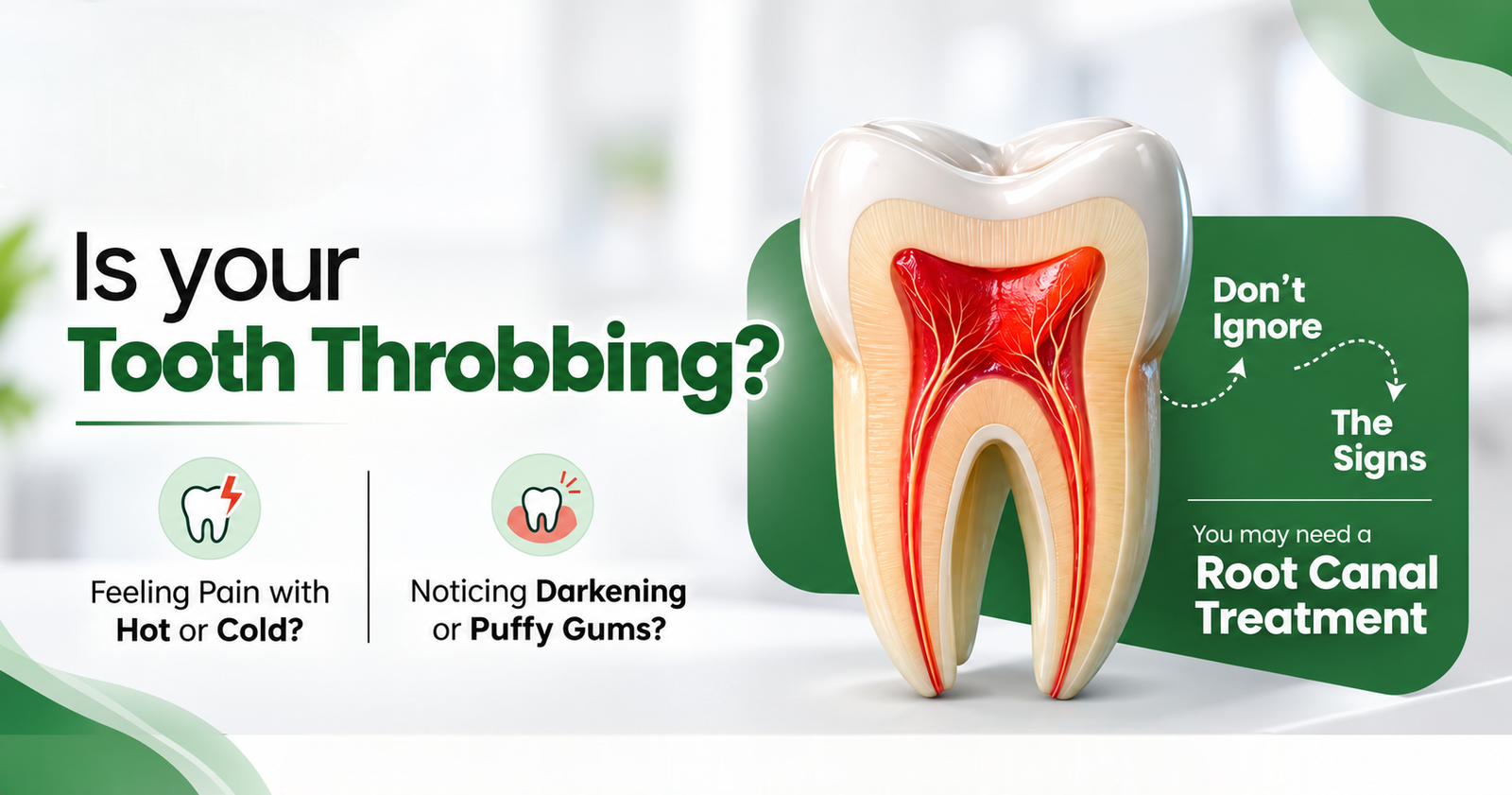
Understanding root canal pain starts with knowing why you might need one. The soft tissue inside your tooth (the pulp) can become inflamed or infected due to deep decay, a crack, repeated dental work or an injury.
Common signs include:
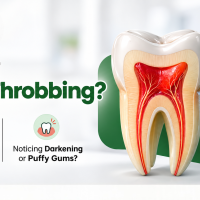
- A persistent or throbbing toothache, especially at night
- Lingering sensitivity to hot or cold, even after the drink is gone
- Pain when biting or chewing
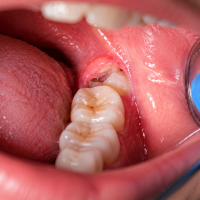
- Swelling or tenderness in the gum near the tooth
- Darkening of the affected tooth
- A small pimple-like bump on the gum
If you recognise these symptoms, it’s best not to wait. Early treatment is simpler, quicker and more comfortable. If you’re unsure whether you need a root canal or an extraction, our guide on root canal vs tooth extraction can help you understand the difference.
What You’ll Feel During the Root Canal Procedure
Here’s a step-by-step look at the root canal procedure, and what each stage feels like.
1. Examination and X-ray. Your dentist checks the tooth and takes an X-ray to see the shape of the roots and the extent of damage. No discomfort here.
2. Local anaesthesia. The area is numbed, usually with a small injection after a numbing gel is applied. You may feel a brief pinch, which fades in seconds. Once the tooth is numb, you shouldn’t feel sharp pain for the rest of the visit.
3. Isolating the tooth. A thin protective sheet keeps the tooth clean and dry. It’s strange but not painful.
4. Cleaning the canals. Your dentist makes a small opening, removes the inflamed or infected pulp, and cleans and shapes the canals. You’ll hear some buzzing and feel mild pressure or vibration, nothing sharp.
5. Filling and sealing. The cleaned canals are filled and sealed to protect the tooth from further infection.
6. Temporary or permanent restoration. The tooth is sealed, and usually a crown is planned afterwards to restore strength and shape.
Most visits take around 60 to 90 minutes, though complex cases may need more than one sitting.
Tip: If at any point you feel discomfort, raise your hand. A good dentist will pause and top up the anaesthesia straight away.
What Makes a Root Canal Painless?
A painless root canal isn’t a marketing line; it’s the result of several things working together:
- Effective numbing. Topical gel plus precise local anaesthesia ensures the tooth and surrounding tissue are fully numb.
- Modern instruments. Advanced rotary systems clean canals faster and more gently than older hand tools.
- Digital imaging. Clear X-rays help the dentist work accurately, reducing time in the chair.
- Patient communication. Explaining each step lowers anxiety, and anxiety is a major driver of perceived pain.
- Options for anxious patients. For those with severe dental fear, sedation can help. Explore how this works in our page on pediatric dentistry with conscious sedation, which also reflects our gentle approach to nervous patients of all ages.
Root Canal Recovery: What to Expect After Treatment
Once the anaesthesia wears off in a couple of hours, you may notice some soreness. This is normal and part of healing.
Typical root canal recovery looks like this:
- First 24 to 48 hours: Mild tenderness, especially when biting. Over-the-counter pain relief as advised by your dentist usually manages it well.
- Days 3 to 5: Discomfort fades noticeably. Most people return to their normal routine within a day or two.
- After about a week: The tooth should feel comfortable. Your dentist will schedule the crown or final restoration if needed.
Aftercare Tips for a Smooth Recovery
- Avoid chewing on the treated side until the final restoration is placed
- Skip very hard, sticky or crunchy foods for a few days
- Take medication exactly as prescribed
- Brush and floss gently, and keep the area clean
- Attend your follow-up appointment for the permanent crown
When to Call Your Dentist
Contact your dentist promptly if you notice severe pain that doesn’t ease, swelling in the face or gum, a fever, or a bite that feels uneven. These are uncommon but need attention.
Root Canal Pain vs Tooth Extraction Pain
Some patients choose extraction hoping to avoid a root canal. In reality, extraction brings its own healing period and can lead to gaps that affect chewing, alignment and appearance. Saving your natural tooth is almost always the better long-term option, since nothing replaces a natural tooth quite like itself. If a tooth can’t be saved, replacement choices like dental implants in Mohali can restore function and appearance.
What Happens If You Delay a Root Canal?
Ignoring the warning signs rarely makes them go away. A tooth that stops hurting suddenly may not be healing; sometimes the nerve inside has simply stopped responding. Delay can lead to:
- Spreading infection and swelling
- Bone loss around the tooth
- More complex (and more uncomfortable) treatment
- Losing the tooth entirely
The earlier you act, the simpler and gentler treatment tends to be.
Getting Root Canal Treatment in Mohali
If you’re looking for root canal Mohali options, choose a clinic that prioritises comfort, explains every step, and uses modern techniques and proper sterilisation. At TrueSmilez, our team focuses on making treatment calm, precise and as comfortable as possible, so you can walk out relieved instead of rattled. You can learn more about our full range of care on our expert dental solutions in Mohali page.
Frequently Asked Questions
Is a root canal more painful than a filling? Not usually. With proper anaesthesia, most patients describe it as comparable to a filling, just longer.
How long does root canal pain last afterwards? Mild soreness typically settles within a few days. Pain that worsens or lingers should be checked.
Can I go to work after a root canal? Most people can resume normal activities the same day or the next, avoiding hard foods on the treated side.
Do I really need a crown after a root canal? In many cases, yes. A crown protects the treated tooth from cracking and restores normal chewing. Your dentist will advise based on the tooth.
Can a root canal fail? Success rates are high, but like any treatment, outcomes depend on the tooth, the quality of the procedure and aftercare. Regular check-ups help catch issues early.
Final Thoughts
So, is a root canal painful? For the vast majority of patients, the answer is no: the treatment is comfortable, and the relief afterwards is what people remember most. The real pain comes from waiting. If your tooth is sending warning signals, an early visit can save the tooth, save time and save you a lot of discomfort.
Ready to get rid of that toothache for good? Book a consultation with TrueSmilez in Mohali and experience gentle, modern care.